
Title
Glaciers: The Politics Of Ice
Sold by Ergodebooks, an authorized reseller.
Returns accepted within 30 days | support@ergodebooks.com
Shipping Information
- Free Standard Shipping — United States only
- Processing Time: 3–5 business days
- Estimated Delivery: 6–10 business days after dispatch
- Double-boxed, fully insured & discreetly packaged
- Tracking number sent via email once dispatched
Returns & Refund
Returns accepted within 30 days of delivery.
Damaged or Defective Item
Free return shipping + replacement or full refund
Wrong Item Received
Free return shipping + replacement or full refund
Change of Mind
Return shipping at customer's expense · 25% restocking fee applies
Payment Option

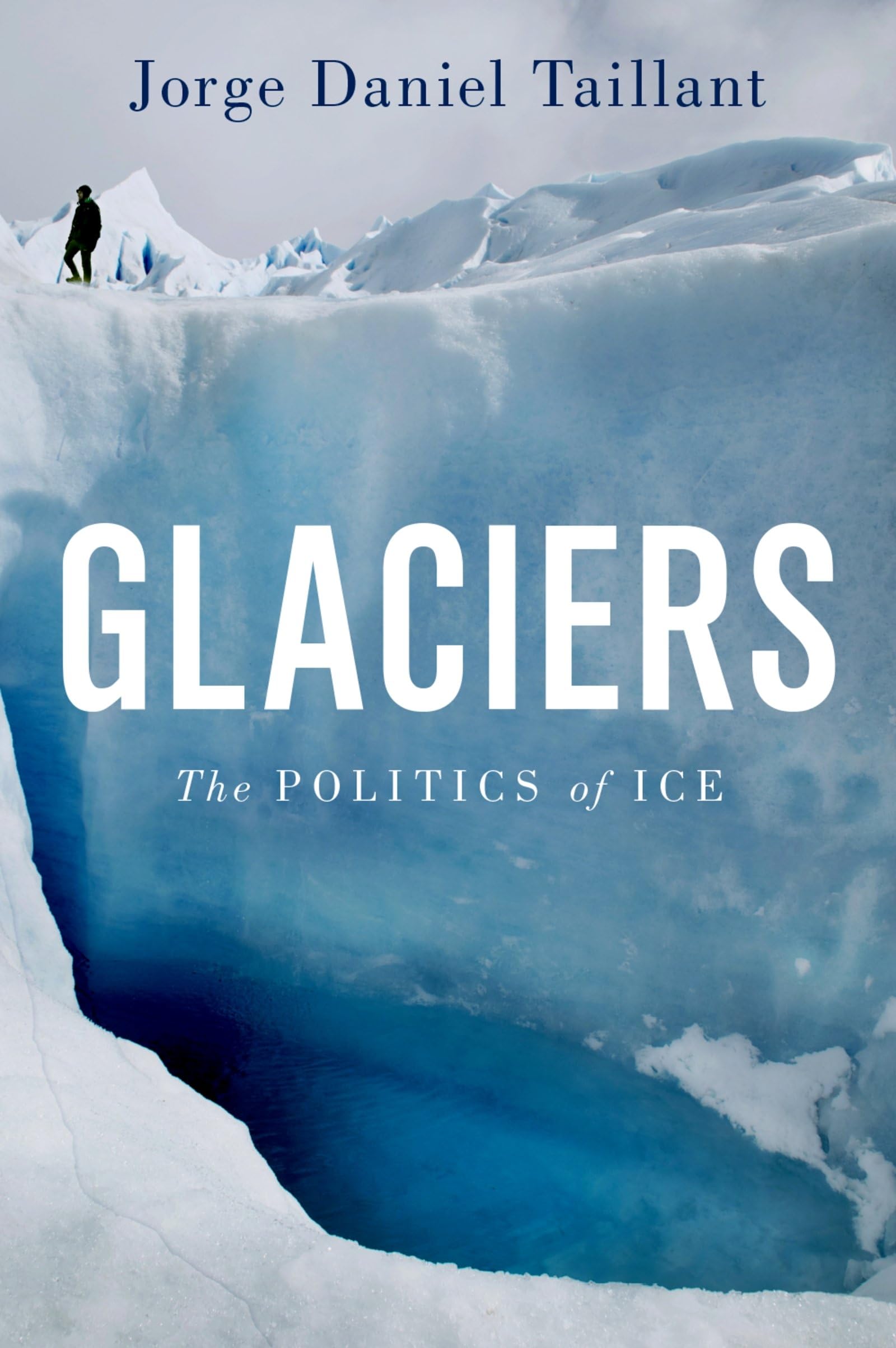
Though Not Traditionally Thought Of As Strategic Natural Resources, Glaciers Are A Crucial Part Of Our Global Ecosystem Playing A Fundamental Role In The Sustaining Of Life Around The World. Comprising Three Quarters Of The World'S Freshwater, They Freeze In The Winter And Melt In The Summer, Supplying A Steady Flow Of Water For Agriculture, Livestock, Industry And Human Consumption. The White Of Glacier Surfaces Reflect Sunrays Which Otherwise Warm Our Planet. Without Them, Many Of The Planet'S Rivers Would Run Dry Shortly After The Winter Snowmelt. A Single Midsized Glacier In High Mountain Environments Of Places Like California, Argentina, India, Kyrgyzstan, Or Chile Can Provide An Entire Community With A Sustained Flow Of Drinking Water For Generations. On The Other Hand, When Global Temperatures Rise, Not Only Does Glacier Ice Wither Away Into The Oceans And Cease To Act As Water Reservoirs, But These Massive Ice Bodies Can Become Highly Unstable And Collapse Into Downstream Environments, Resulting In Severe Natural Events Like Glacier Tsunamis And Other Deadly Environmental Catastrophes. But Despite Their Critical Role In Environmental Sustainability, Glaciers Often Exist Well Outside Our Environmental Consciousness, And They Are Mostly Unprotected From Atmospheric Impacts Of Global Warming Or From Soot Deriving From Transportation Emissions, Or From Certain Types Of Industrial Activity Such As Mining, Which Has Been Shown To Have Devastating Consequences For Glacier Survival.Glaciers: The Politics Of Ice Is A Scientific, Cultural, And Political Examination Of The Cryosphere The Earth'S Ice And The Environmental Policies That Are Slowly Emerging To Protect It. Jorge Daniel Taillant Discusses The Debates And Negotiations Behind The Passage Of The World'S First Glacierprotection Law In The Mid2000S, And Reveals The Tension That Quickly Arose Between Industry, Politicians, And Environmentalists When An International Mining Company Proposed Dynamiting Three Glaciers To Get At Gold Deposits Underneath. The Book Is A Quest To Educate General Society About The Basic Science Behind Glaciers, Outlines Current And Future Risks To Their Preservation, And Reveals The Intriguing Politics Behind Glacier Melting Debates Over Policies And Laws To Protect The Resource. Taillant Also Makes Suggestions On What Can Be Done To Preserve These Crucial Sources Of Fresh Water, From Both A Scientific And Policymaking Standpoint.Glaciers Is A New Window Into One Of The Earth'S Most Crucial And Yet Most Ignored Natural Resources, And A Call To Reawaken Our Interest In The World'S Changing Climate.
⚠️ WARNING (California Proposition 65):
This product may contain chemicals known to the State of California to cause cancer, birth defects, or other reproductive harm.
For more information, please visit www.P65Warnings.ca.gov.
- Q: What is the page count of 'Glaciers: The Politics of Ice'? A: This book contains three hundred sixty pages. It provides a comprehensive exploration of glaciers and their significance in our ecosystem.
- Q: What are the dimensions of this book? A: The dimensions are nine point four nine inches in length, six point three inches in height, and zero point nine eight inches in width. This size makes it convenient for reading.
- Q: What type of binding does this book have? A: This book is bound in hardcover. Hardcover books are typically more durable and suitable for frequent handling.
- Q: Who is the author of 'Glaciers: The Politics of Ice'? A: The author is Jorge Daniel Taillant. He offers insights into the political and environmental aspects of glaciers.
- Q: What is the main subject of the book? A: The book focuses on glaciers and their political, cultural, and environmental significance. It highlights debates surrounding glacier protection and environmental policy.
- Q: Is 'Glaciers: The Politics of Ice' suitable for beginners? A: Yes, it is suitable for beginners. The book educates readers about glacier science and environmental issues in an accessible manner.
- Q: What age group is this book appropriate for? A: This book is appropriate for adults and older teens. Its content is complex and engages with advanced topics related to environmental policy.
- Q: How can I best utilize this book for study? A: You can use this book for research or as a reference in environmental studies. It contains critical information on glacier preservation and policy.
- Q: What is the recommended way to care for this hardcover book? A: To care for this book, store it upright in a cool, dry place. Avoid exposure to direct sunlight to prevent fading and damage.
- Q: Is this book safe for all readers? A: Yes, this book is safe for all readers. It contains no explicit content but discusses serious environmental issues.
- Q: How should I clean this book if it gets dirty? A: To clean this book, use a soft, dry cloth to gently wipe the cover. Avoid using liquids that could damage the binding or pages.
- Q: What should I do if the book arrives damaged? A: If the book arrives damaged, contact the seller for a return or exchange. Most sellers offer policies for damaged goods.
- Q: Can I return 'Glaciers: The Politics of Ice' if I don't like it? A: Yes, you can typically return the book if you don't like it. Check the seller's return policy for specific details.
- Q: Is this book available in digital format? A: Yes, 'Glaciers: The Politics of Ice' is available in digital format. You can find it on various e-book platforms.
- Q: What sets this book apart from other environmental books? A: This book uniquely combines political analysis with scientific insights about glaciers, making it a comprehensive resource for understanding glacier issues.