
Title
Global Issues beyond Sovereignty,Used
Sold by Ergodebooks, an authorized reseller.
Returns accepted within 30 days | support@ergodebooks.com
Shipping Information
- Free Standard Shipping — United States only
- Processing Time: 3–5 business days
- Estimated Delivery: 6–10 business days after dispatch
- Double-boxed, fully insured & discreetly packaged
- Tracking number sent via email once dispatched
Returns & Refund
Returns accepted within 30 days of delivery.
Damaged or Defective Item
Free return shipping + replacement or full refund
Wrong Item Received
Free return shipping + replacement or full refund
Change of Mind
Return shipping at customer's expense · 25% restocking fee applies
Payment Option

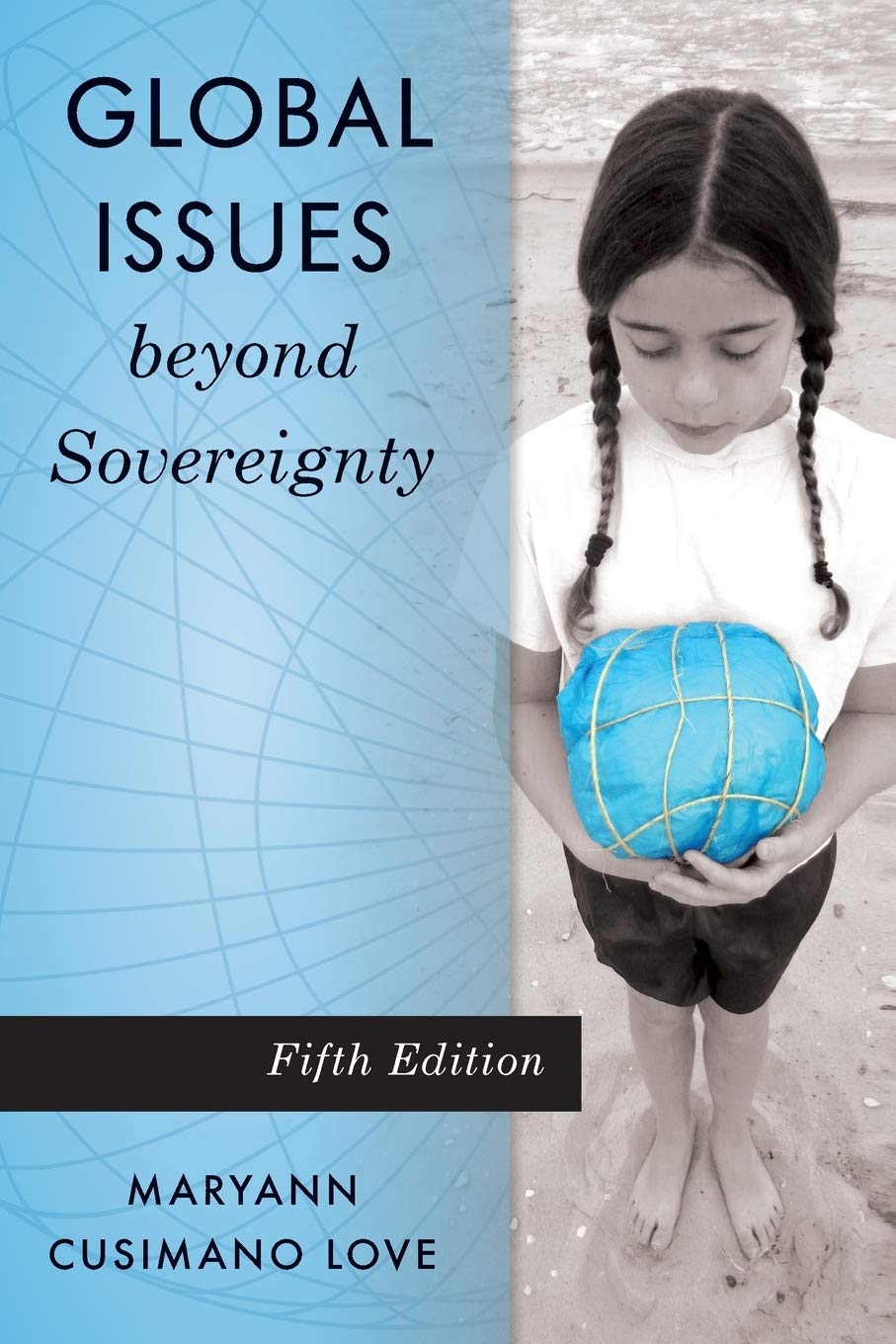
Other Global Issues books are a rather eclectic mash up of topics, headlines du jour, with an 'and now this!' organizational scheme. The 'hot' topics may have cooled by press time, and the presentation to students is disjointed, not clear. The approach is often a 'scare 'em and leave 'em' presentation of a global horror show of problems, without clear arguments about the connections among the issues, or integrated discussions of solutions.In contrast, Global Issues Beyond Sovereignty provides a thesis and a common narrative throughout the 'issue' chapters. The range of responses to manage global issues are compared and discussed throughout. Global problems move at internet speed; governments do not move so quickly. This creates gaps in what citizens expect the state to do, and what countries have the capacities to do. This paradox is a problem not only for weak or failing states; even the strongest states in the system struggle in how to effectively respond to global issues, from cybersecurity to environmental toxins. States cannot solve or manage transsovereign issues alone. The power of the private sector is growing (both legal and illegal, for profit and nonprofit), while state power is flat or in some places declining.While private sector actors have means to impact transnational issues, they do not have a public mandate to do so. Countries increasingly must learn how to play well with others; this is easier said than done. Attempts to manage global issues flow through three channels: public sector responses, private sector responses, and mixed publicprivate partnerships. All three channels are explored throughout the book, uniting the issue chapters in a common discussion of challenges and responses. The conclusion presents lessons learned for theory and practice from managing global issues.
⚠️ WARNING (California Proposition 65):
This product may contain chemicals known to the State of California to cause cancer, birth defects, or other reproductive harm.
For more information, please visit www.P65Warnings.ca.gov.