
Title
Global Maya: Work and Ideology in Rural Guatemala,Used
Sold by Ergodebooks, an authorized reseller.
Returns accepted within 30 days | support@ergodebooks.com
Shipping Information
- Free Standard Shipping — United States only
- Processing Time: 3–5 business days
- Estimated Delivery: 6–10 business days after dispatch
- Double-boxed, fully insured & discreetly packaged
- Tracking number sent via email once dispatched
Returns & Refund
Returns accepted within 30 days of delivery.
Damaged or Defective Item
Free return shipping + replacement or full refund
Wrong Item Received
Free return shipping + replacement or full refund
Change of Mind
Return shipping at customer's expense · 25% restocking fee applies
Payment Option

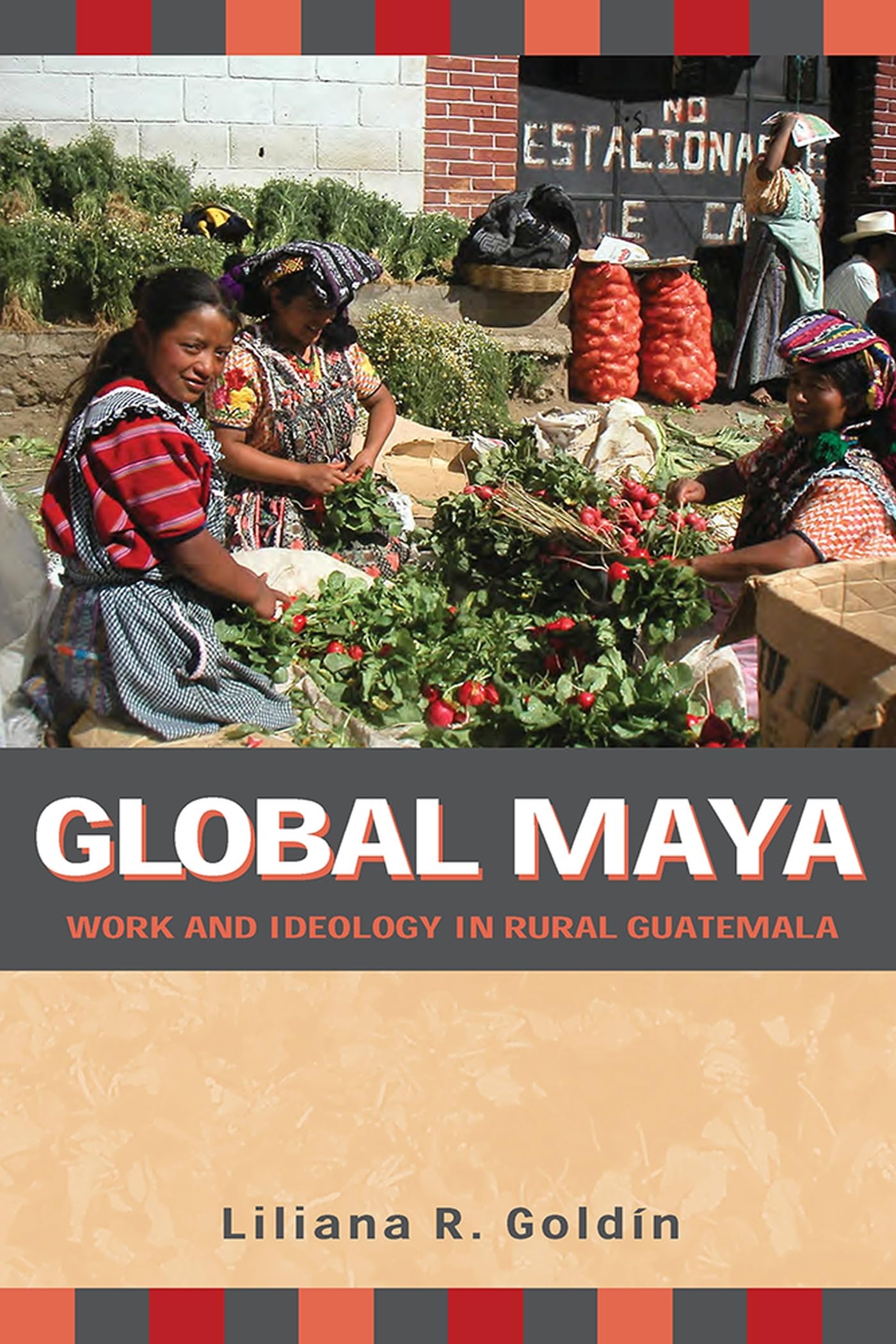
In the central highland Maya communities of Guatemala, the demands of the global economy have become a way of life. This book explores how rural peoples experience economic and cultural change as their country joins the global market, focusing on their thoughts about work and sustenance as a way of learning about Guatemalas changing economy.For more than a decade, Liliana Goldn observed in highland towns both the intensification of various forms of production and their growing links to wider markets. In this first book to compare economic ideology across a range of production systems, she examines how people make a living and how they think about their options, practices, and constraints. Drawing on interviews and surveyseven retellings of traditional narrativesshe reveals how contemporary Maya respond to the increasingly globalized yet locally circumscribed conditions in which they work.Goldn presents four case studies: cottage industries devoted to garment production, vegetable growing for internal and border markets reached through direct commerce, crops grown for export, and wage labor in garment assembly factories. By comparing generational and gendered differences among workers, she reveals not only complexities of change but also how these complexities arereflected in changing attitudes, understandings, and aspirations that characterize peoples economic ideology. Further, she shows that as rural people take on diverse economic activities, they also reinterpret their views on such matters as accumulation, cooperation, competition, division of labor, and community solidarity.Global Maya explores global processes in local terms, revealing the interplay of traditional values, household economics, and the inescapable conditions of demographic growth, a shrinking land base, and a global economy always looking for cheap labor. It offers a wealth of new insights not only for Maya scholars but also for anyone concerned with the effects of globalization on the Third World.
⚠️ WARNING (California Proposition 65):
This product may contain chemicals known to the State of California to cause cancer, birth defects, or other reproductive harm.
For more information, please visit www.P65Warnings.ca.gov.