
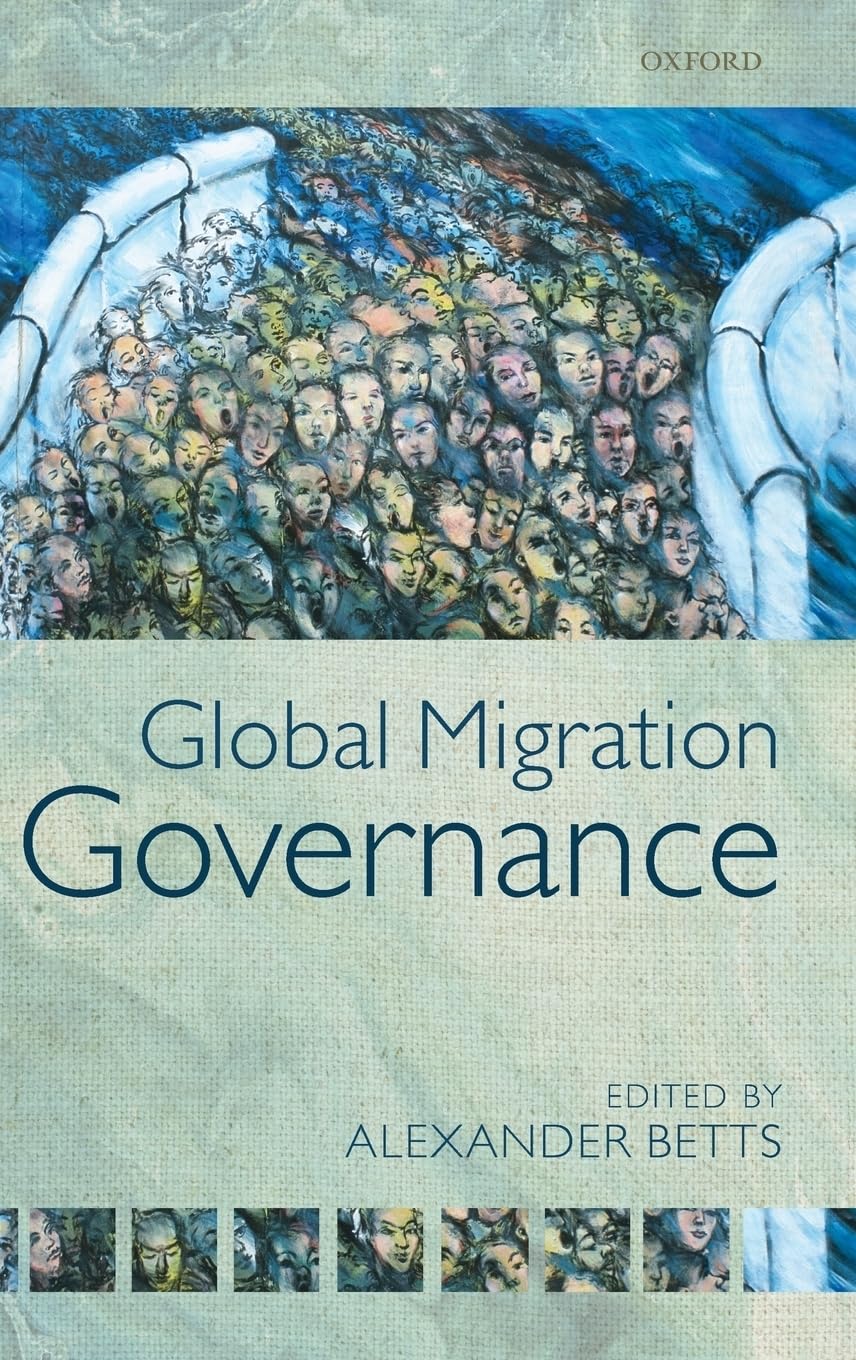
Title
Global Migration Governance
Sold by Ergodebooks, an authorized reseller.
Returns accepted within 30 days | support@ergodebooks.com
Shipping Information
- Free Standard Shipping — United States only
- Processing Time: 3–5 business days
- Estimated Delivery: 6–10 business days after dispatch
- Double-boxed, fully insured & discreetly packaged
- Tracking number sent via email once dispatched
Returns & Refund
Returns accepted within 30 days of delivery.
Damaged or Defective Item
Free return shipping + replacement or full refund
Wrong Item Received
Free return shipping + replacement or full refund
Change of Mind
Return shipping at customer's expense · 25% restocking fee applies
Payment Option

Unlike many other transboundary policy areas, international migration lacks coherent global governance. There is no UN migration organization and states have signed relatively few multilateral treaties on migration. Instead sovereign states generally decide their own immigration policies. However, given the growing politicization of migration and the recognition that states cannot always address migration in isolation from one another, a debate has emerged about what type of international institutions and cooperation are required to meet the challenges of international migration. Until now, though, that emerging debate on global migration governance has lacked a clear analytical understanding of what global migration governance actually is, the politics underlying it, and the basis on which we can make claims about what 'better' migration governance might look like.In order to address this gap, Global Migration Governance brings together a group of the world's leading experts to consider the global governance of different aspects of migration. The chapters offer an accessible introduction to the global governance of lowskilled labor migration, highskilled labor migration, irregular migration, lifestyle migration, international travel, refugees, internally displaced persons, human trafficking and smuggling, diaspora, remittances, and root causes. Each of the chapters explores the three same broad questions: What, institutionally, is the global governance of migration in that area? Why, politically, does that type of governance exist? How, normatively, can we ground claims about the type of global governance that should exist in that area? Collectively, the chapters enhance our understanding of the international politics of migration and set out a vision for international cooperation on migration.
⚠️ WARNING (California Proposition 65):
This product may contain chemicals known to the State of California to cause cancer, birth defects, or other reproductive harm.
For more information, please visit www.P65Warnings.ca.gov.