
Title
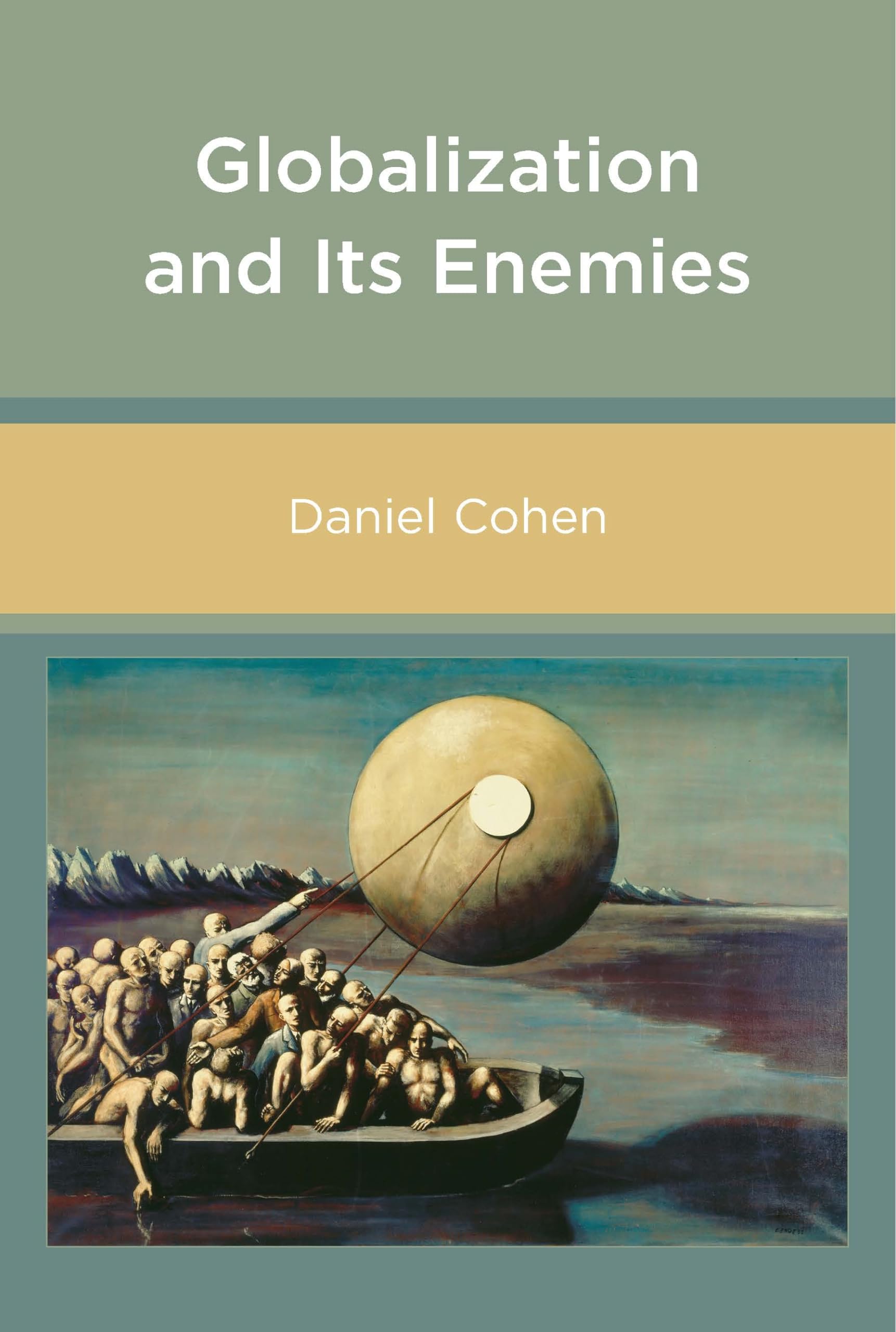
Globalization and Its Enemies (Mit Press),New
Sold by Ergodebooks, an authorized reseller.
Returns accepted within 30 days | support@ergodebooks.com
Shipping Information
- Free Standard Shipping — United States only
- Processing Time: 3–5 business days
- Estimated Delivery: 6–10 business days after dispatch
- Double-boxed, fully insured & discreetly packaged
- Tracking number sent via email once dispatched
Returns & Refund
Returns accepted within 30 days of delivery.
Damaged or Defective Item
Free return shipping + replacement or full refund
Wrong Item Received
Free return shipping + replacement or full refund
Change of Mind
Return shipping at customer's expense · 25% restocking fee applies
Payment Option

A provocative argument that the frustrations of globalization stem from the gap between the expectations created and the lagging economic reality in poor countries.The enemies of globalizationwhether they denounce the exploitation of poor countries by rich ones or the imposition of Western values on traditional culturessee the new world economy as forcing a system on people who do not want it. But the truth of the matter, writes Daniel Cohen in this provocative account, may be the reverse. Globalization, thanks to the speed of twentyfirstcentury communications, shows people a world of material prosperity that they do wanta vivid world of promises that have yet to be fulfilled. For the most impoverished developing nations, globalization remains only an elusive image, a fleeting mirage. Never before, Cohen says, have the means of communicationthe mediacreated such a global consciousness, and never have economic forces lagged so far behind expectations. Today's globalization, Cohen argues, is the third act in a history that began with the Spanish Conquistadors in the sixteenth century and continued with Great Britain's nineteenthcentury empire of free trade. In the nineteenth century, as in the twentyfirst, a revolution in transportation and communication did not promote widespread wealth but favored polarization. India, a part of the British empire, was just as poor in 1913 as it was in 1820. Will today's information economy do better in disseminating wealth than the telegraph did two centuries ago? Presumably yes, if one gauges the outcome from China's perspective; surely not, if Africa's experience is a guide. At any rate, poor countries require much effort and investment to become players in the global game. The view that technologies and world trade bring wealth by themselves is no more true today than it was two centuries ago. We should not, Cohen writes, consider globalization as an accomplished fact. It is because of what has yet to happenthe unfulfilled promises of prosperitythat globalization has so many enemies in the contemporary world. For the poorest countries of the world, the problem is not so much that they are exploited by globalization as that they are forgotten and excluded.
⚠️ WARNING (California Proposition 65):
This product may contain chemicals known to the State of California to cause cancer, birth defects, or other reproductive harm.
For more information, please visit www.P65Warnings.ca.gov.