
Title
Globalization and Labour: The New 'Great Transformation',Used
Sold by Ergodebooks, an authorized reseller.
Returns accepted within 30 days | support@ergodebooks.com
Shipping Information
- Free Standard Shipping — United States only
- Processing Time: 3–5 business days
- Estimated Delivery: 6–10 business days after dispatch
- Double-boxed, fully insured & discreetly packaged
- Tracking number sent via email once dispatched
Returns & Refund
Returns accepted within 30 days of delivery.
Damaged or Defective Item
Free return shipping + replacement or full refund
Wrong Item Received
Free return shipping + replacement or full refund
Change of Mind
Return shipping at customer's expense · 25% restocking fee applies
Payment Option

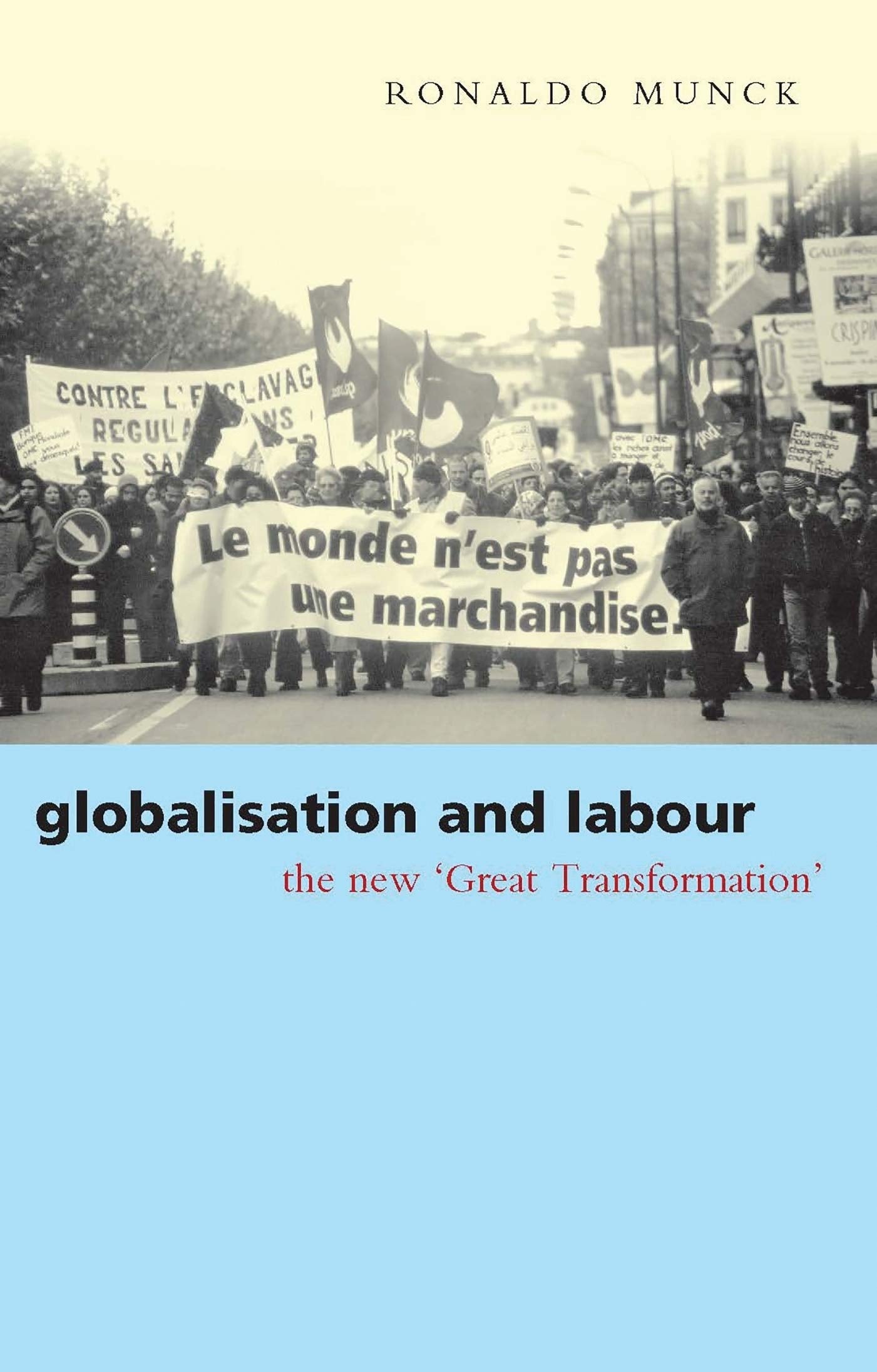
Intellectual fashion currently focuses on us as consumers, but the world of production and services still needs us as workers. While globalisation has, in part, been driven over the past two decades by the transnational corporations' search for cheap labour in new regions of the South, scholarly research and the mass media have paid remarkably little attention to the consequent changes that are happening in the world of work. This book is the first to deal comprehensively and analytically with labour's response to globalisation. It provides a critical overview of the main challenges facing workers and trade unions worldwide. Its author argues that what may be described as the national period in labour history is decisively over. Now the labour movement is itself acting increasingly in a transnational manner. This holds out the hope of its playing a major role in the social regulation of a global economic system which is largely out of control.The author explains how globalisation is foisting flexibilisation and feminisation on working people, but in the process also making them conscious of their transnational links. The 'old' internationalism of the trade union movement is now showing signs of developing into a 'new' internationalism where workers develop a sense of common interest and new ways of organizing that transcend national boundaries. Drawing his evidence from what is happening to workers and trade unions in a wide range of countries in both the industrialized North and the developing South, Professor Ronaldo Munck suggests that we may be on the brink of a new version of what Karl Polanyi, many years ago, strikingly called 'the great transformation'. The implications for workers, trade unions and their transnational corporate employers could be profound.
⚠️ WARNING (California Proposition 65):
This product may contain chemicals known to the State of California to cause cancer, birth defects, or other reproductive harm.
For more information, please visit www.P65Warnings.ca.gov.