
Title
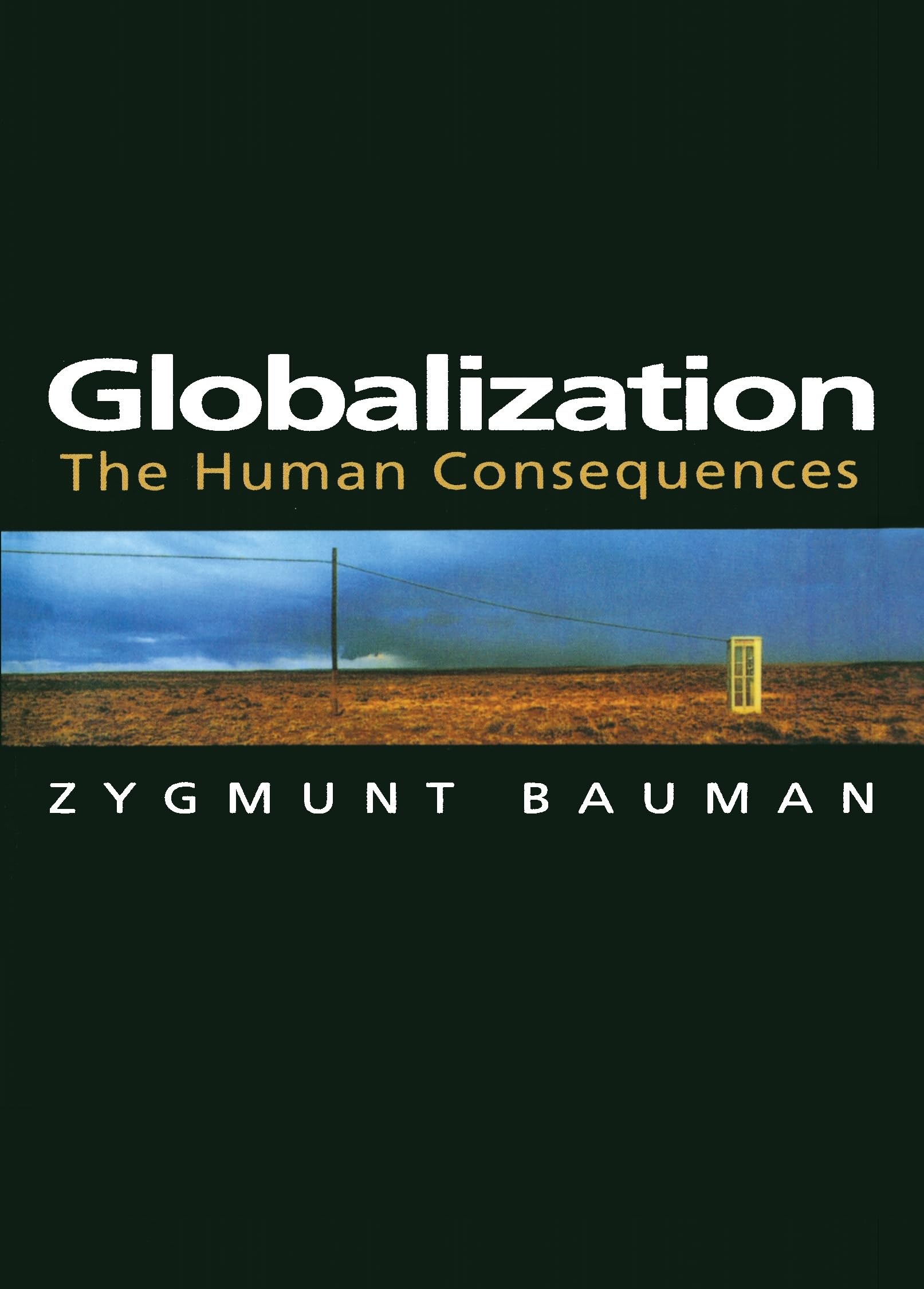
Globalization: The Human Consequences,Used
Sold by Ergodebooks, an authorized reseller.
Returns accepted within 30 days | support@ergodebooks.com
Shipping Information
- Free Standard Shipping — United States only
- Processing Time: 3–5 business days
- Estimated Delivery: 6–10 business days after dispatch
- Double-boxed, fully insured & discreetly packaged
- Tracking number sent via email once dispatched
Returns & Refund
Returns accepted within 30 days of delivery.
Damaged or Defective Item
Free return shipping + replacement or full refund
Wrong Item Received
Free return shipping + replacement or full refund
Change of Mind
Return shipping at customer's expense · 25% restocking fee applies
Payment Option

The Word 'Globalization' Is Used To Convey The Hope And Determination Of Ordermaking On A Worldwide Scale. It Is Trumpeted As Providing More Mobilityof People, Capital, And Informationand As Being Equally Beneficial For Everyone. With Recent Technological Developmentsmost Notably The Internetglobalization Seems To Be The Fate Of The World. But No One Seems To Be In Control. As Noted Sociologist Zygmunt Bauman Shows In This Detailed History Of Globalization, While Human Affairs Now Take Place On A Global Scale, We Are Not Able To Direct Events; We Can Only Watch As Boundaries, Institutions, And Loyalties Shift In Rapid And Unpredictable Ways. Who Benefits From The New Globalization? Are People In Need Assisted More Quickly And Efficiently? Or Are The Poor Worse Off Than Ever Before? Will A Globalized Economy Shift Jobs Away From Traditional Areas, Destroying Timehonored National Industries? Who Will Enjoy Access To Jobs In The New Hierarchy Of Mobility?From The Way The Global Economy Creates A Class Of Absentee Landlords To Current Prison Designs For The Criminalized Underclass, Bauman Dissects Globalization In All Its Manifestations: Its Effects On The Economy, Politics, Social Structures, And Even Our Perceptions Of Time And Space. In A Chilling Analysis, Bauman Argues That Globalization Divides As Much As It Unites, Creating An Everwidening Gulf Between The Haves And The Havenots. Rather Than The Hybrid Culture We Had Hoped For, Globalization Is Creating A More Homogenous World.Drawing On The Works Of Philosophers, Social Historians, Architects, And Theoreticians Such As Michel Foucault, Claude Lvistrauss, Alfred J. Dunlap, And Le Corbusier, Globalization Presents A Historical Overview Of The Methods Employed To Create And Define Human Spaces And Institutions, From Rural Villages To Sprawling Urban Centers. Bauman Shows How The Advent Of The Computer Translates Into The Decline Of Truly Public Space. And He Explores The Dimensions Of A World In Whichthrough New Technologiestime Is Accelerated And Space Is Compressed, Revealing How We Have Arrived At Our Current State Of Global Thinking. Bauman'S Incisive Methods Of Inquiry Make Globalization An Excellent Antidote To The Exuberance Expressed By Those Who Stand To Benefit From The New Pace And Mobility Of The Modern Life.
⚠️ WARNING (California Proposition 65):
This product may contain chemicals known to the State of California to cause cancer, birth defects, or other reproductive harm.
For more information, please visit www.P65Warnings.ca.gov.