If you have any questions, you are always welcome to contact us. We'll get back to you as soon as possible, withing 24 hours on weekdays.
Customer service
All questions about your order, return and delivery must be sent to our customer service team by e-mail at yourstore@yourdomain.com
Sale & Press
If you are interested in selling our products, need more information about our brand or wish to make a collaboration, please contact us at press@yourdomain.com
Help
If you have any questions, you are always welcome to contact us. We'll get back to you as soon as possible, withing 24 hours on weekdays.
Customer service
All questions about your order, return and delivery must be sent to our customer service team by e-mail at yourstore@yourdomain.com
Sale & Press
If you are interested in selling our products, need more information about our brand or wish to make a collaboration, please contact us at press@yourdomain.com
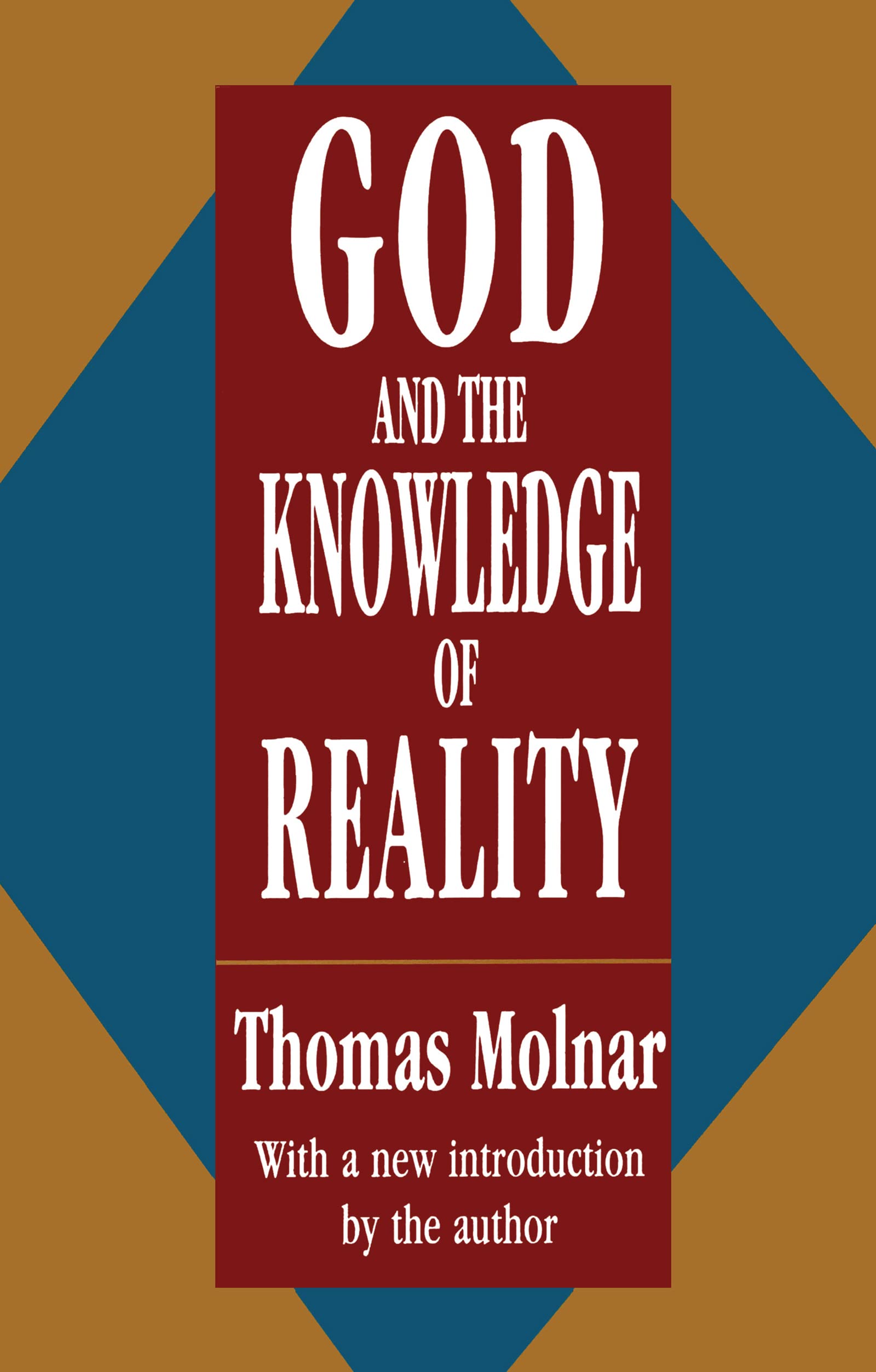
Written simply yet comprehensively, Molnar's anlaysis of the history of philosophy and false mysticism leads him to conclude that a return to a moderate realism will save the philosophical enterprise from a series of epistemological and societal absolutes that are embodied in contemporary rationalism and mysticism alike. Issues that have been systematically excluded from discourse will have to be reintroduced into the discussion of person and providence.Molnar divided the philosophical systems into two groups according to their vision of God, and consequently of reality.One group removes God from the human scope, therefore rendering the world unreal, unknowable, and meaningless. The second group holds that God is immanent in the human soul, thereby emphasizing the human attainment of divine status, and reducing the extramental world to a condition of utter imperfection. Either way, the result is a pseudomysticism, a denial of the creaturely status of human beings.What is most needed, Molnar claims, is a theory of knowledge whose ideal is not fusion but distinctionbetween God and Man, subject and object, the self and the society. By thus raising the question of philosophy over against magic Molnar seeks to awaken the reader from neodogmatic assumptions and restore speculative thought to its traditional place. Upon publication, Dale Vree in The Review of Politic^, said that 'this book will go a long way in establishing Professor Molnar as one of the distinguished conservative philosophers of our time.'
⚠️ WARNING (California Proposition 65):
This product may contain chemicals known to the State of California to cause cancer,
birth defects, or other reproductive harm.
For MAP (Minimum Advertised Price) violations and Intellectual Property (IP) or Trademark concerns, please contact:
support@ergodebooks.com
⚠️ California Proposition 65 Warning: Some products sold on this website may expose you to chemicals known to the State of California to cause cancer, birth defects, or other reproductive harm. For more information, visit www.P65Warnings.ca.gov.