
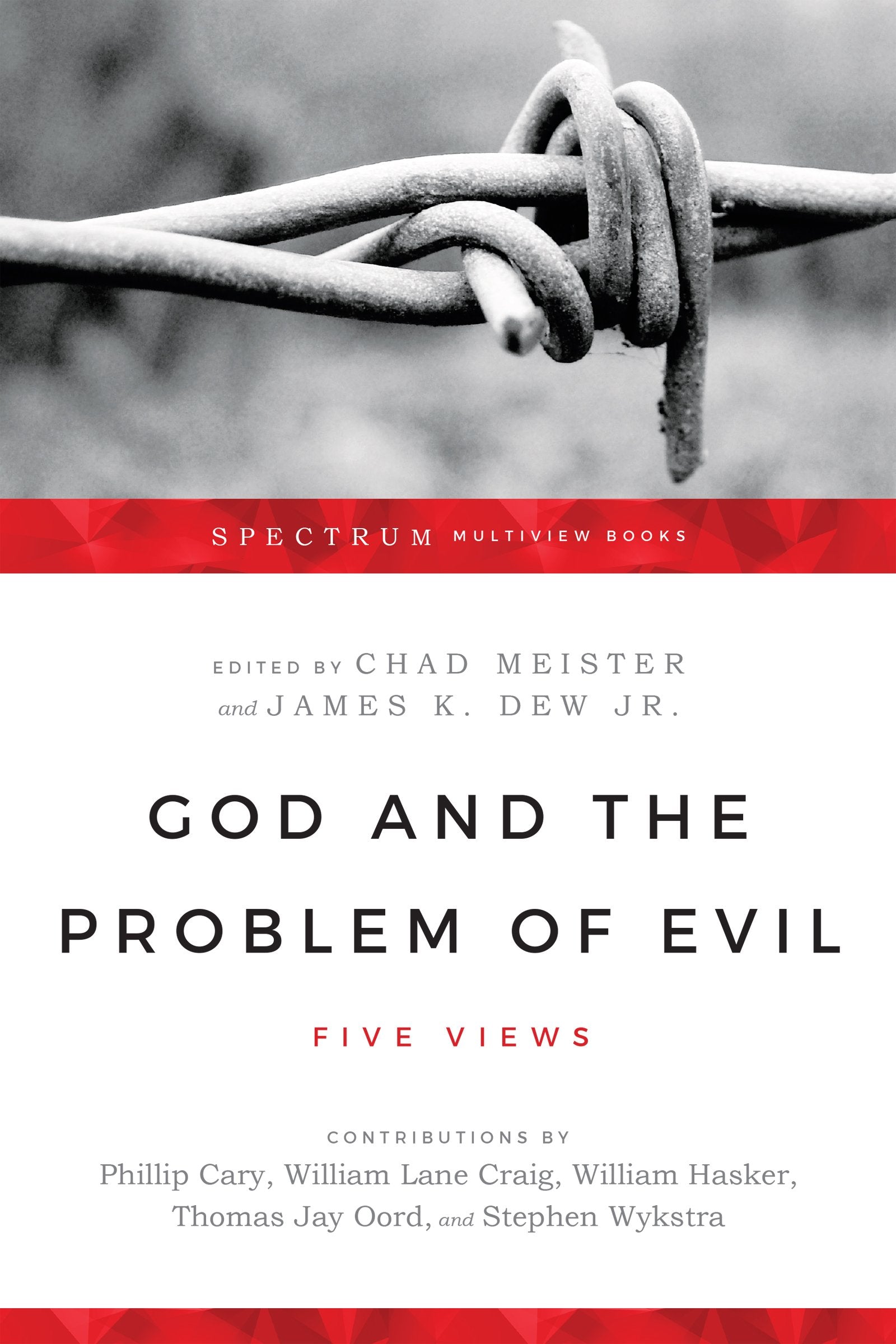
Title
God And The Problem Of Evil: Five Views (Spectrum Multiview Book Series),Used
Sold by Ergodebooks, an authorized reseller.
Returns accepted within 30 days | support@ergodebooks.com
Shipping Information
- Free Standard Shipping — United States only
- Processing Time: 3–5 business days
- Estimated Delivery: 6–10 business days after dispatch
- Double-boxed, fully insured & discreetly packaged
- Tracking number sent via email once dispatched
Returns & Refund
Returns accepted within 30 days of delivery.
Damaged or Defective Item
Free return shipping + replacement or full refund
Wrong Item Received
Free return shipping + replacement or full refund
Change of Mind
Return shipping at customer's expense · 25% restocking fee applies
Payment Option

Evil Abounds. And So Do The Attempts To Understand God In The Face Of Such Evil.The Problem Of Evil Is A Constant Challenge To Faith In God. How Can We Believe In A Loving And Powerful God Given The Existence Of So Much Suffering In The World? Philosophers And Theologians Have Addressed This Problem Countless Times Over The Centuries. New Explanations Have Been Proposed In Recent Decades Drawing On Resources In Scripture, Theology, Philosophy, And Science.This Spectrum Multiview Volume Stages A Dialogue Between The Five Key Positions In The Current Debate: Phillip Cary: A Classic View William Lane Craig: A Molinist View William Hasker: An Open Theist View Thomas Jay Oord: An Essential Kenosis View Stephen Wykstra: A Skeptical Theism Viewaccording To The Classic Position, Associated Especially With The Augustinian Tradition, God Permits Evil And Suffering As Part Of The Grand Narrative Of Divine Providence To Bring About The Redemption Of Creation. Molinism Modifies The Classic View By Adding God'S Middle Knowledge To The Picture, In Which God Has Knowledge Of What Creatures Would Do In All Possible Worlds. Open Theism Rejects The Determinism Of The Classic View In Favor Of An Account Of God As A Risktaker Who Does Not Know For Sure What The Future Holds. Essential Kenosis Goes Further In Providing A Comprehensive Theodicy By Arguing That God Cannot Control Creatures And Thus Cannot Unilaterally Prevent Evil. Skeptical Theism Rejects The Attempt To Provide A Theodicy And Instead Argues That, If God Exists, We Should Not Expect To Understand God'S Purposes.Edited And With An Introduction By Chad Meister And James K. Dew Jr., God And The Problem Of Evil Hosts A Generous And Informative Conversation On One Of The Most Pressing Issues In The Christian Life.Spectrum Multiview Books Offer A Range Of Viewpoints On Contested Topics Within Christianity, Giving Contributors The Opportunity To Present Their Position And Also Respond To Others In This Dynamic Publishing Format.
⚠️ WARNING (California Proposition 65):
This product may contain chemicals known to the State of California to cause cancer, birth defects, or other reproductive harm.
For more information, please visit www.P65Warnings.ca.gov.
- Q: How many pages does this book have? A: This book has two hundred five pages. It provides a comprehensive exploration of the problem of evil from various theological perspectives.
- Q: What is the binding type of the book? A: This book is paperback bound. This makes it lightweight and portable, suitable for both reading and referencing.
- Q: What are the dimensions of the book? A: The book measures six inches in length, zero point six inches in width, and nine point zero two inches in height. These dimensions make it easy to handle and store.
- Q: Who is the author of this book? A: The author of the book is Chad Meister. He is known for his contributions to philosophical and theological discussions.
- Q: Is this book suitable for beginners? A: Yes, this book is suitable for beginners. It offers a range of viewpoints on the problem of evil, making complex ideas accessible.
- Q: How can I use this book effectively? A: You can use this book to explore different theological perspectives on evil. It is ideal for study groups, personal reflection, or academic research.
- Q: How should I store this book? A: Store this book in a cool, dry place away from direct sunlight. This helps preserve its quality and prevents damage over time.
- Q: Can I read this book if I'm not religious? A: Yes, you can read this book even if you're not religious. It presents philosophical arguments that may interest anyone seeking to understand the problem of evil.
- Q: How do I keep this book in good condition? A: Keep the book away from moisture and avoid bending the spine. Use bookmarks instead of folding pages to preserve its structure.
- Q: What topics does this book cover? A: This book covers various perspectives on the problem of evil, including classic views, molinism, open theism, essential kenosis, and skeptical theism. It provides a well-rounded discussion on these themes.
- Q: Is there a glossary in the book? A: No, this book does not include a glossary. However, the discussions are designed to be clear and informative for readers.
- Q: What is the target audience for this book? A: The target audience includes students, theologians, and anyone interested in philosophical discussions about faith and suffering. It caters to a wide range of readers.
- Q: Does this book include references or citations? A: Yes, the book includes references to Scripture and philosophical texts. This enhances the credibility of the arguments presented.
- Q: Is there an introduction to the book? A: Yes, the book features an introduction edited by Chad Meister and James K. Dew Jr. It sets the stage for the discussions and arguments within.
- Q: Can I use this book for academic purposes? A: Yes, this book can be used for academic purposes. It provides varied viewpoints and critical discussions suitable for research and essays.