
Title
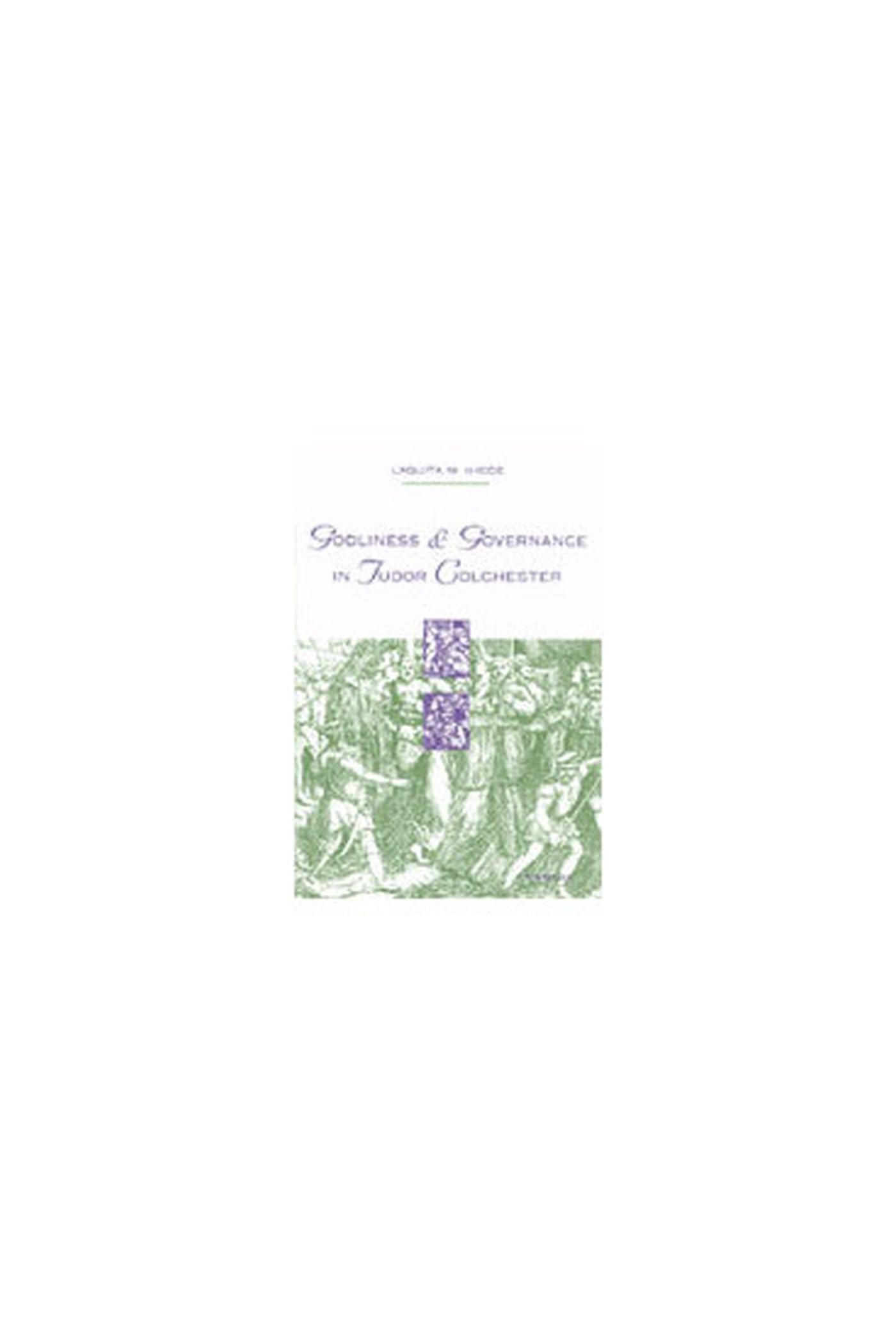
Godliness and Governance in Tudor Colchester (Studies In Medieval And Early Modern Civilization),Used
Processing time: 1-3 days
US Orders Ships in: 3-5 days
International Orders Ships in: 8-12 days
Return Policy: 15-days return on defective items
Payment Option

The Tudor period was a time of extremes, when King Henry VIII beheaded wives and Queen Mary executed her subjects by burning. As an early supporter of Henry's Protestant Reformation, the borough of Colchester took the full brunt of Catholic Mary's wrath, and at least thirteen Colchester Protestants were burned for their faith. When the Protestant Elizabeth came to the throne, Colchester leaders, influenced by returning refugees, determined to try to produce a godly society on the Genevan model. They hired their own preacher, but their efforts to reform sinful behavior through civil government met with strong resistance.In Godliness and Governance in Tudor Colchester Laquita M. Higgs traces the governance and the religion of that town. Though traditional piety held sway early in the Tudor era, there was a strong undercurrent of hereticism, even among town leaders. Such sympathy helps explain Colchester's embrace of Henry VIII's religious reforms. Town governors also found it advantageous to cooperate with the local nobleman, the earl of Oxford, and with their own Thomas Audley, who helped the King shape the reformation. Queen Mary's attempts to root out Protestantism strengthened Colchester's commitment to reform. Under Elizabeth, reformers gradually took over governance of the borough.Colchester provides one of the earliest illustrations of the workings and tensions of Puritan town governance. Higgs examines the connections between governance and religion with special emphasis on the Elizabethan period. The town's development toward religious radicalism is shown by a comparison of the aldermen of 1530, 1560, and 1590. Higgs explores the camaraderie of the reformers, the attempt of town leaders to correct immoral behavior, and the resultant tensions that produced deep divisions between moderate reformers and radical Puritans. An analysis of extant wills shows the extent to which Puritan governors achieved some degree of success.Godliness and Governance in Tudor Colchester will be of interest to historians of the Tudor period, Catholicism, Lollardy, and the English Protestant Reformation.Laquita M. Higgs is Adjunct Lecturer in History, University of Michigan, Dearborn.
⚠️ WARNING (California Proposition 65):
This product may contain chemicals known to the State of California to cause cancer, birth defects, or other reproductive harm.
For more information, please visit www.P65Warnings.ca.gov.