
Title
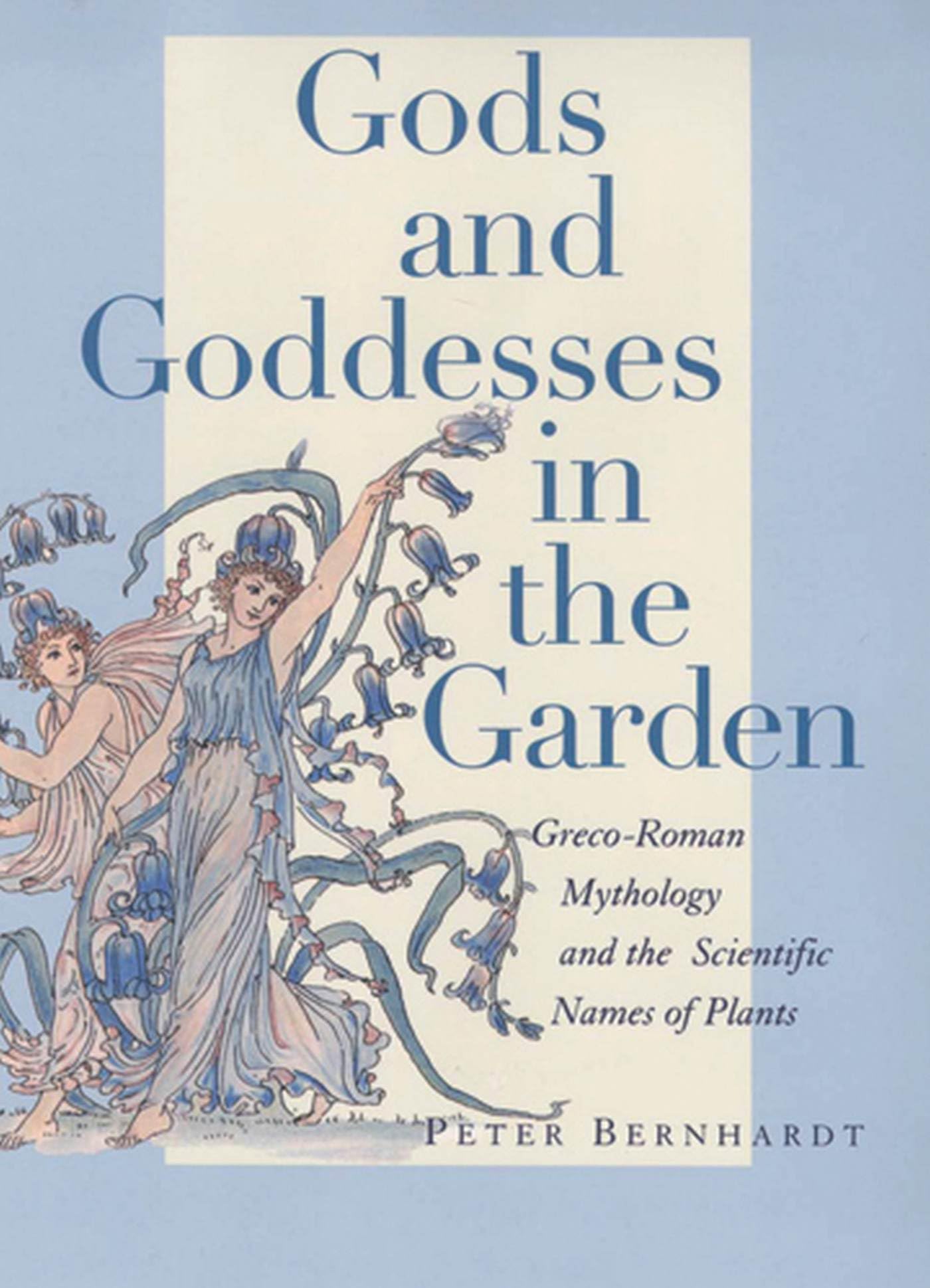
Gods and Goddesses in the Garden: GrecoRoman Mythology and the Scientific Names of Plants,Used
Sold by Ergodebooks, an authorized reseller.
Returns accepted within 30 days | support@ergodebooks.com
Shipping Information
- Free Standard Shipping — United States only
- Processing Time: 3–5 business days
- Estimated Delivery: 6–10 business days after dispatch
- Double-boxed, fully insured & discreetly packaged
- Tracking number sent via email once dispatched
Returns & Refund
Returns accepted within 30 days of delivery.
Damaged or Defective Item
Free return shipping + replacement or full refund
Wrong Item Received
Free return shipping + replacement or full refund
Change of Mind
Return shipping at customer's expense · 25% restocking fee applies
Payment Option

Zeus, Medusa, Hercules, Aphrodite. Did you know that these and other dynamic deities, heroes, and monsters of Greek and Roman mythology live on in the names of trees and flowers? Some grow in your local woodlands or right in your own backyard garden.In this delightful book, botanist Peter Bernhardt reveals the rich history and mythology that underlie the origins of many scientific plant names. Unlike other books about botanical taxonomy that take the form of heavy and intimidating lexicons, Bernhardt's account comes together in a series of interlocking stories. Each chapter opens with a short version of a classical myth, then links the tale to plant names, showing how each plant 'resembles' its mythological counterpart with regard to its history, anatomy, life cycle, and conservation. You will learn, for example, that as our garden acanthus wears nasty spines along its leaf margins, it is named for the nymph who scratched the face of Apollo. The shapeshifting god, Proteus, gives his name to a whole family of shrubs and trees that produce colorful flowering branches in an astonishing number of sizes and shapes.Amateur and professional gardeners, high school teachers and professors of biology, botanists and conservationists alike will appreciate this book's entertaining and informative entry to the otherwise daunting field of botanical names. Engaging, witty, and memorable, Gods and Goddesses in the Garden transcends the genre of natural history and makes taxonomy a topic equally at home in the classroom and at cocktail parties.
⚠️ WARNING (California Proposition 65):
This product may contain chemicals known to the State of California to cause cancer, birth defects, or other reproductive harm.
For more information, please visit www.P65Warnings.ca.gov.
- Q: What is the main theme of 'Gods and Goddesses in the Garden'? A: The book explores the connections between Greco-Roman mythology and the scientific names of plants, revealing how mythological figures influence botanical nomenclature.
- Q: Who is the author of this book? A: The author is Professor Peter Bernhardt, a botanist known for his engaging storytelling and insights into plant taxonomy.
- Q: What is the format of the book? A: The book is available in a hardcover format and consists of 264 pages.
- Q: Is this book suitable for beginners in botany? A: Yes, the book is designed for both amateur and professional gardeners, making it accessible for those new to botany.
- Q: What kind of information can I expect to find in the book? A: Readers will find interlocking stories that link classical myths to plant names, along with entertaining anecdotes about the plants' characteristics and histories.
- Q: When was 'Gods and Goddesses in the Garden' published? A: The book was published on March 11, 2008.
- Q: What is the condition of the used copies available? A: The used copies are listed in 'Good Condition', indicating that they have been previously owned but are still in a satisfactory state for reading.
- Q: Does the book include illustrations or visuals? A: While the primary focus is on the text, many editions of botanical books often include illustrations, but it's best to check the specific listing for visual content.
- Q: Is this book appropriate for educational purposes? A: Yes, it is suitable for high school teachers and biology professors, making it a good resource for educational settings.
- Q: Are there any notable features of this book? A: One notable feature is that each chapter starts with a classical myth and connects it to plant names, providing an entertaining and educational reading experience.