
Title
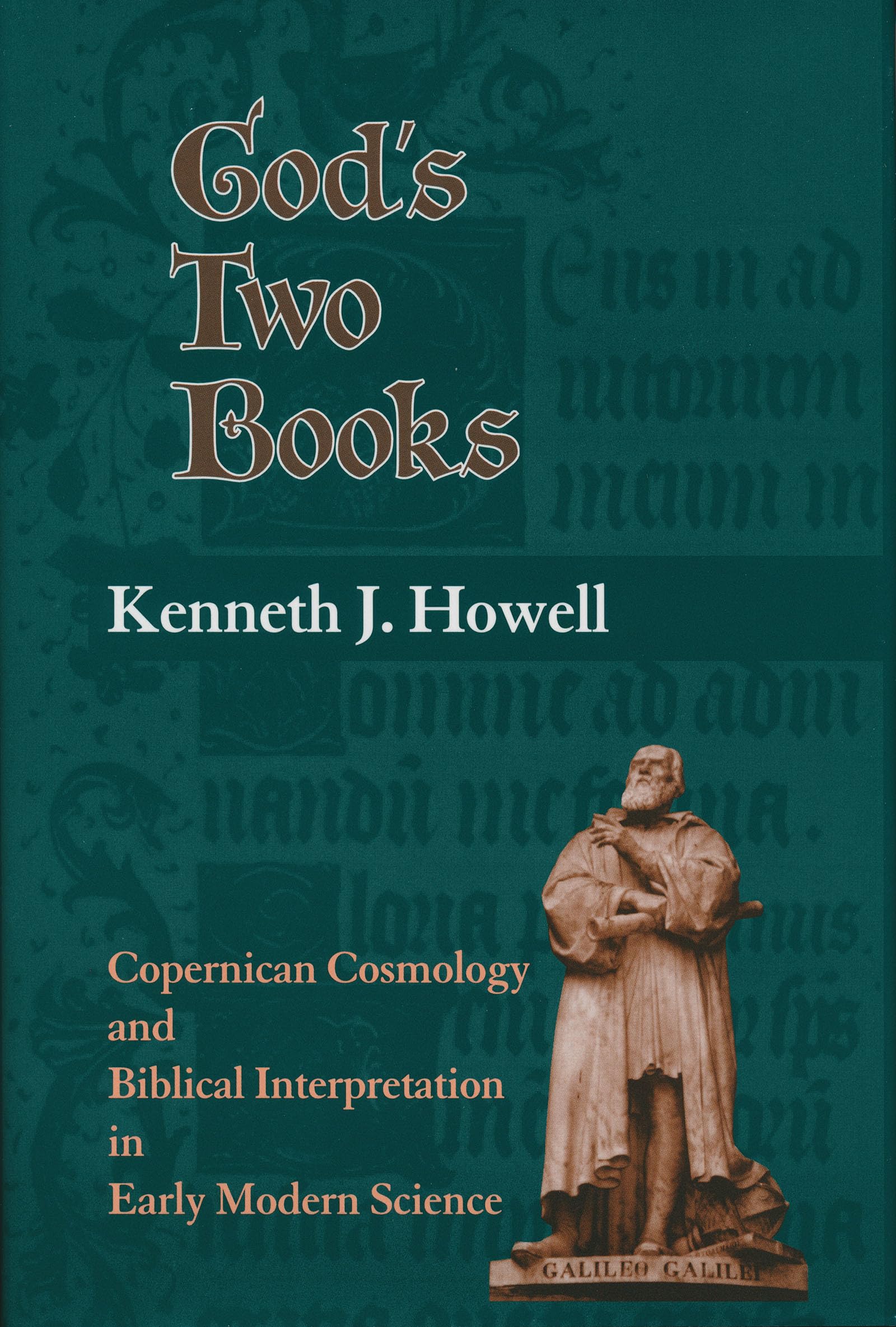
God's Two Books: Copernican Cosmology and Biblical Interpretation in Early Modern Science,Used
Sold by Ergodebooks, an authorized reseller.
Returns accepted within 30 days | support@ergodebooks.com
Shipping Information
- Free Standard Shipping — United States only
- Processing Time: 3–5 business days
- Estimated Delivery: 6–10 business days after dispatch
- Double-boxed, fully insured & discreetly packaged
- Tracking number sent via email once dispatched
Returns & Refund
Returns accepted within 30 days of delivery.
Damaged or Defective Item
Free return shipping + replacement or full refund
Wrong Item Received
Free return shipping + replacement or full refund
Change of Mind
Return shipping at customer's expense · 25% restocking fee applies
Payment Option

How do we resolve conflicts when fundamental sources of knowledge and beliefsuch as science and theologyare involved? In Gods Two Books, Kenneth Howell offers a historical analysis of how sixteenth and seventeenthcentury astronomers and theologians in Northern Protestant Europe used science and religion to challenge and support one another. Howell reveals that the cosmological schemes developed during this era remain monumental solutions to the enduring problem of how theological interpretation and empirical investigation interact with one another. Writing history requires a constant shedding of our misconceptions about the past, says Howell. Gods Two Books reshapes our understanding of the interaction of cosmological thought and biblical interpretation in the emerging astronomy of the Scientific Revolution by analyzing new texts and offering interpretations that cast old materials in a new light. The central argument of this compelling book is that the use of the Bible in early modern cosmology is considerably more complex and subtle than has previously been recognized. Drawing on the writings of Lutheran and Calvinist astronomers, natural philosophers, and theologians, Howell analyzes several underlying patterns of interpretation which affected how these historical figures viewed the mutual interaction of the books of nature and Scripture. He argues that while they differed on how the disciplines of astronomy, physics, and theology should relate to one another, most thinkers shared the common goal of finding and explaining the true system of the universe. Howell introduces the notion of a convergent realism to describe Protestant intellectuals approach to incorporating empirical and theological perspectives into a holistic version of the universe. They believed the sacred page was relevant to cosmology but denied that the Bible had scientific content. At the same time, these thinkers argued that the theological truths expressed in the Bible were interwoven into nature in subtle, yet revealing, ways. Their resulting interpretations show continuity with Catholic thinkers and discard oversimplifications such as literal versus figurative hermeneutics or Copernican versus antiCopernican cosmologies. Among Howells many original contributions in this cogent study is a distinctive approach to Keplers exegesis of nature and an introduction to the debate of many Calvinist thinkers who have previously received little attention.
⚠️ WARNING (California Proposition 65):
This product may contain chemicals known to the State of California to cause cancer, birth defects, or other reproductive harm.
For more information, please visit www.P65Warnings.ca.gov.