
Title
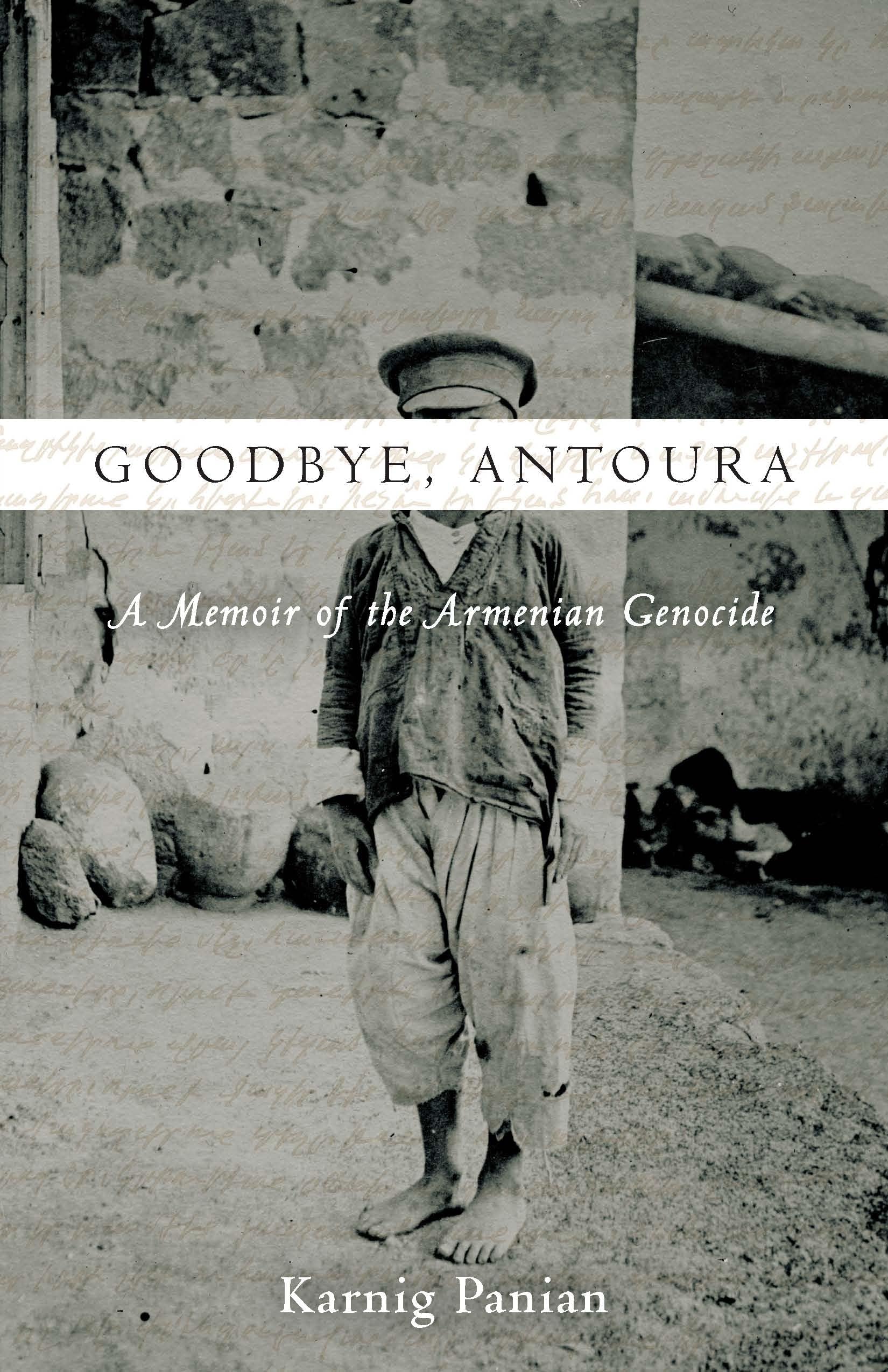
Goodbye, Antoura: A Memoir of the Armenian Genocide,Used
Sold by Ergodebooks, an authorized reseller.
Returns accepted within 30 days | support@ergodebooks.com
Shipping Information
- Free Standard Shipping — United States only
- Processing Time: 3–5 business days
- Estimated Delivery: 6–10 business days after dispatch
- Double-boxed, fully insured & discreetly packaged
- Tracking number sent via email once dispatched
Returns & Refund
Returns accepted within 30 days of delivery.
Damaged or Defective Item
Free return shipping + replacement or full refund
Wrong Item Received
Free return shipping + replacement or full refund
Change of Mind
Return shipping at customer's expense · 25% restocking fee applies
Payment Option

When World War I began, Karnig Panian was only five years old, living among his fellow Armenians in the Anatolian village of Gurin. Four years later, American aid workers found him at an orphanage in Antoura, Lebanon. He was among nearly 1,000 Armenian and 400 Kurdish children who had been abandoned by the Turkish administrators, left to survive at the orphanage without adult care.This memoir offers the extraordinary story of what he endured in those yearsas his people were deported from their Armenian community, as his family died in a refugee camp in the deserts of Syria, as he survived hunger and mistreatment in the orphanage. The Antoura orphanage was another project of the Armenian genocide: its administrators, some benign and some cruel, sought to transform the children into Turks by changing their Armenian names, forcing them to speak Turkish, and erasing their history.Panian's memoir is a fullthroated story of loss, resistance, and survival, but told without bitterness or sentimentality. His story shows us how even young children recognize injustice and can organize against it, how they can form a sense of identity that they will fight to maintain. He paints a painfully rich and detailed picture of the lives and agency of Armenian orphans during the darkest days of World War I. Ultimately, Karnig Panian survived the Armenian genocide and the deprivations that followed. Goodbye, Antoura assures us of how humanity, once denied, can be again reclaimed.
⚠️ WARNING (California Proposition 65):
This product may contain chemicals known to the State of California to cause cancer, birth defects, or other reproductive harm.
For more information, please visit www.P65Warnings.ca.gov.
- Q: What is the main theme of 'Goodbye, Antoura'? A: The main theme of 'Goodbye, Antoura' is the resilience of the Armenian people during the Armenian genocide, focusing on the experiences of a young boy, Karnig Panian, who survived in an orphanage after losing his family.
- Q: Who is the author of 'Goodbye, Antoura'? A: The author of 'Goodbye, Antoura' is Karnig Panian, who recounts his personal experiences during the Armenian genocide.
- Q: What age group is this memoir suitable for? A: This memoir is suitable for older teens and adults, as it discusses complex themes related to genocide and survival.
- Q: How many pages does 'Goodbye, Antoura' have? A: 'Goodbye, Antoura' has a total of 212 pages.
- Q: What type of binding does this book have? A: 'Goodbye, Antoura' is available in paperback binding.
- Q: When was 'Goodbye, Antoura' published? A: 'Goodbye, Antoura' was published on April 8, 2015.
- Q: Does the book include illustrations or photographs? A: The product details do not specify if 'Goodbye, Antoura' includes illustrations or photographs.
- Q: Is 'Goodbye, Antoura' based on true events? A: 'Goodbye, Antoura' is a memoir, meaning it is based on true events and the personal experiences of the author during the Armenian genocide.
- Q: What can readers learn from 'Goodbye, Antoura'? A: Readers can learn about the impact of the Armenian genocide on children, the importance of identity, and the strength of the human spirit in overcoming adversity.
- Q: Is there any explicit content in 'Goodbye, Antoura'? A: The memoir discusses heavy themes related to trauma and loss, but it is not described as having explicit content.