
Title

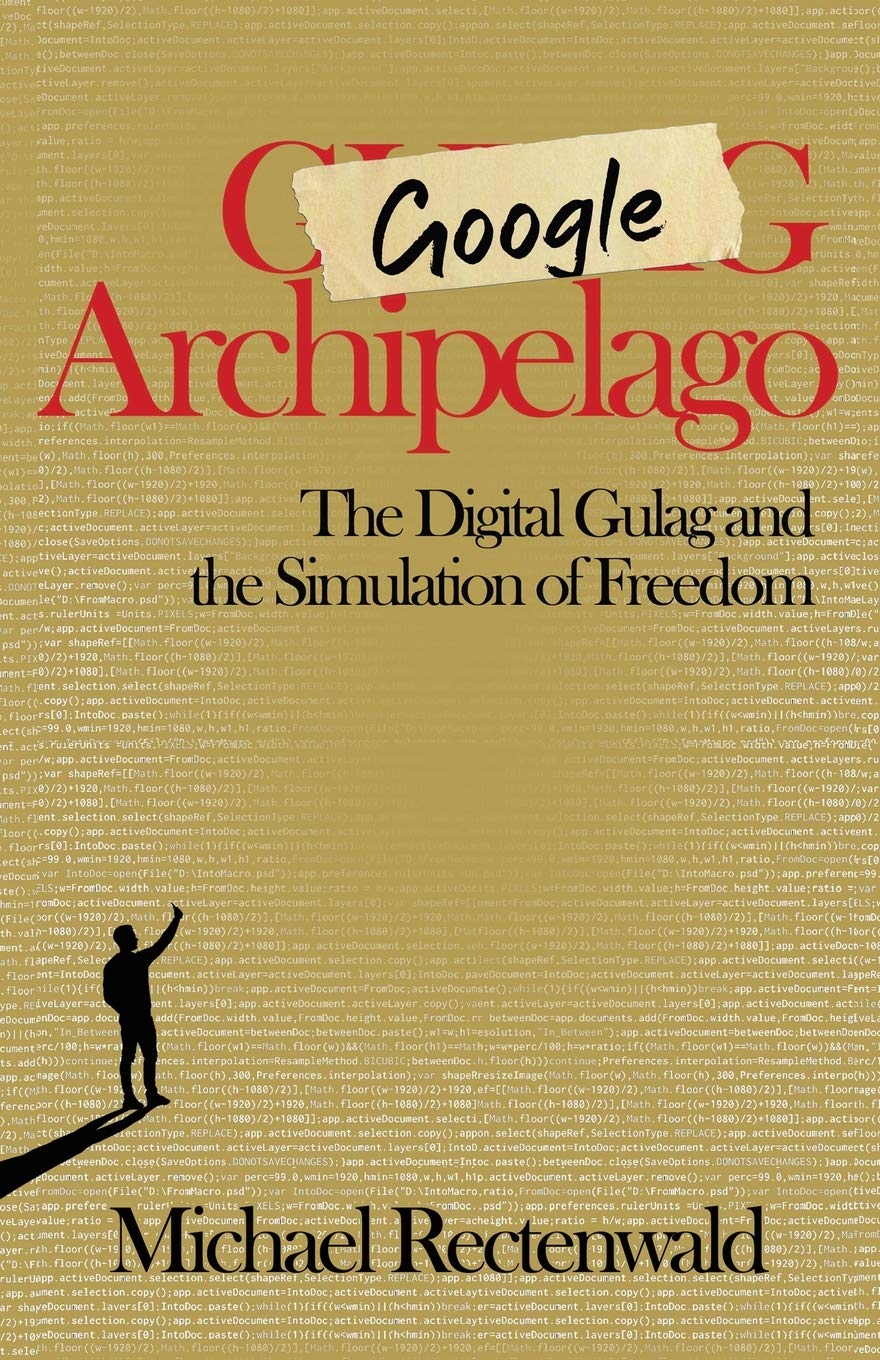
Google Archipelago: The Digital Gulag And The Simulation Of Freedom
Sold by Ergodebooks, an authorized reseller.
Returns accepted within 30 days | support@ergodebooks.com
Shipping Information
- Free Standard Shipping — United States only
- Processing Time: 3–5 business days
- Estimated Delivery: 6–10 business days after dispatch
- Double-boxed, fully insured & discreetly packaged
- Tracking number sent via email once dispatched
Returns & Refund
Returns accepted within 30 days of delivery.
Damaged or Defective Item
Free return shipping + replacement or full refund
Wrong Item Received
Free return shipping + replacement or full refund
Change of Mind
Return shipping at customer's expense · 25% restocking fee applies
Payment Option

Google Archipelago: The Digital Gulag And The Simulation Of Freedom Begins With Familiar Cultural Politics As Points Of Entry To The Book'S Theme Regarding The Reach, Penetration, And Soon The Ubiquity Of The Digital World. In A Book About Enormous Sea Changes Brought About By Digital Technology, Google Archipelagobegins And Ends With The Political, In Particular With The Objectives Of The Big Digital Conglomerates As Global Corporate Monopoly Capitalists Or Wouldbemonopolies.Google Archipelago Argues That Big Digital Technologies And Their Principals Represent Not Only Economic Powerhouses But Also New Forms Of Governmental Power. The Technologies Of Big Digital Not Only Amplify, Extend, And Lend Precision To The Powers Of The State, They May Represent Elements Of A New Corporate State Power.In Contrast To Academics Who Study Digital Media And Bemoan Such Supposed Horrors As Digital Exploitation, In Google Archipelago, Michael Rectenwald Argues That The Real Danger Posed By Big Digital Is Not Digital Capitalism As Such, But Leftist Authoritarianism, A Political Outlook Shared By Academic Leftists, Who Thus Cannot Recognize It In Their Object Of Study. Thus, While Imagining That They Are Radical Critics Of Big Digital, Academic Digital Media Scholars (Whom Rectenwald Terms The Digitalistas ) Actually Serve As Ideological Smokescreens That Obscure Its Real Character.Two Chapters Interrupt The Book'S Genre As Nonfiction Prose. Part Historical Science Fiction And Part Memoir, These Chapters Render The Story Of A Soviet Gulag Survivor And Defector, And The Author'S Earlier Digital Self. Google Archipelago Intentionally Blurs The Lines Between Argument And Story, Fact And Artifact, The Real And The Imaginary. This Is Necessary, Rectenwald Argues, Because One Cannot Pretend To Describe The Google Archipelago As If From Without, As Something Apart From Experience. In Any Case, Soon One Will No Longer Go On The Internet. The Internet And Cyberspace Will Be Everywhere, While Humans And Other Agents Will Be Digital Artifacts Within It.The Google Archipelago Represents The Coextension Of Digitization And Physical Social Space, The Conversion Of Social Space And Its Inhabitants Into Digital Artifacts, And The Potential To Control Populations To Degrees Unimagined By The Likes Of Stalin, Hitler, Or Mao.
⚠️ WARNING (California Proposition 65):
This product may contain chemicals known to the State of California to cause cancer, birth defects, or other reproductive harm.
For more information, please visit www.P65Warnings.ca.gov.
- Q: What are the dimensions of this book? A: The book measures five point five one inches in length, zero point four nine inches in width, and eight point five inches in height.
- Q: How many pages does this book have? A: This book contains two hundred sixteen pages, providing an in-depth exploration of its themes.
- Q: What type of binding does this book have? A: The book is available in paperback binding, making it lightweight and easy to handle.
- Q: Who is the author of this book? A: The author of this book is Michael Rectenwald, known for his critical insights into digital culture.
- Q: What genre does this book belong to? A: This book falls under the category of History and Culture, focusing on the implications of digital technology.
- Q: What themes are explored in Google Archipelago? A: The book explores themes such as digital capitalism, governmental power, and the blurring of reality and digital experience.
- Q: Is this book suitable for young readers? A: No, this book is not specifically aimed at children; it deals with complex themes of digital culture and politics.
- Q: What is the reading level of this book? A: This book is suitable for adult readers, particularly those interested in political theory and digital culture.
- Q: How should I approach reading this book? A: Readers are encouraged to engage with the narrative and critical arguments presented, considering both historical context and current implications.
- Q: How do I care for this paperback book? A: Keep the book in a dry place and avoid exposure to direct sunlight to prevent damage to the cover and pages.
- Q: Can this book be stored on a bookshelf? A: Yes, it can be stored upright on a bookshelf; ensure it is supported to maintain its shape.
- Q: How do I keep this book in good condition? A: Handle the book gently when reading and avoid folding pages to preserve its condition.
- Q: What should I do if the book arrives damaged? A: If the book arrives damaged, contact the seller for return instructions or a replacement.
- Q: Is there a warranty for this book? A: Typically, books do not come with a warranty, but check with the seller for their return or exchange policy.
- Q: What if I have issues with my order? A: Contact customer support for assistance with any issues related to your order, including shipping or delivery problems.
- Q: How can I find out more about the author's background? A: You can find more information about Michael Rectenwald through online author profiles or interviews discussing his work and philosophy.