
Title
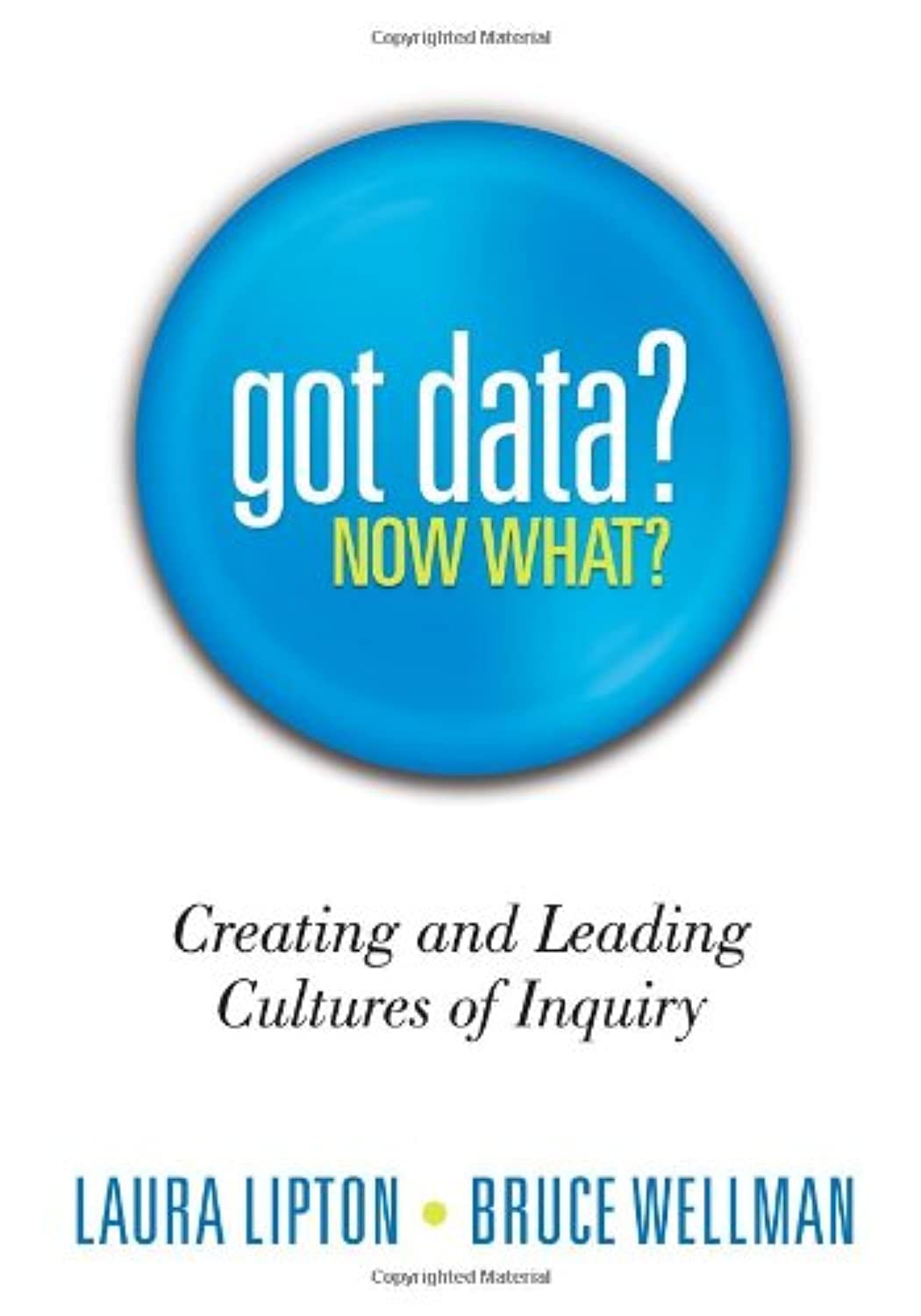
Got Data? Now What?: Creating and Leading Cultures of Inquiry A practical book for teacher teams on gathering and interpreting,Used
Sold by Ergodebooks, an authorized reseller.
Returns accepted within 30 days | support@ergodebooks.com
Shipping Information
- Free Standard Shipping — United States only
- Processing Time: 3–5 business days
- Estimated Delivery: 6–10 business days after dispatch
- Double-boxed, fully insured & discreetly packaged
- Tracking number sent via email once dispatched
Returns & Refund
Returns accepted within 30 days of delivery.
Damaged or Defective Item
Free return shipping + replacement or full refund
Wrong Item Received
Free return shipping + replacement or full refund
Change of Mind
Return shipping at customer's expense · 25% restocking fee applies
Payment Option

Explore three defining challenges that school teams face when gathering, interpreting, and utilizing school data. This book introduces data teams to the essential definitions and descriptions of data types and offers methods for gathering school data, including survey questions for efficient data collection, group work structures, strategies, and tools to turn databased decisions into goaloriented, productive action plans. This compelling guide will help you confront data obstacles and turn struggling committees into powerful communities of learners.BenefitsApply each chapter s content with the Exercise Your Learning sections to successfully use and interpret school data.Learn more about each chapter s topic in the Extend Your Learning sections, which suggest additional websites and resources for databased discussions.Discover relevant, teamrelated anecdotes in each chapter s Data Story.Contents1 Developing Cultures of Collaborative Inquiry2 Introducing the Collaborative Learning Cycle3 Avoiding Reality Wars4 Knowing the Data Fundamentals5 Developing HighPerforming Groups6 Moving From Dialogue to Discussion to Decision Making7 Evolving Decisions Into ActionReferences and Resources
⚠️ WARNING (California Proposition 65):
This product may contain chemicals known to the State of California to cause cancer, birth defects, or other reproductive harm.
For more information, please visit www.P65Warnings.ca.gov.
- Q: How many pages does the book have? A: The book contains one hundred forty-four pages. This length makes it concise yet comprehensive for educators.
- Q: What is the binding type of the book? A: The book features a perfect binding. This type of binding ensures durability while maintaining a professional appearance.
- Q: What are the dimensions of the book? A: The book measures seven point zero one inches in length, zero point four inches in width, and ten inches in height. These dimensions make it easy to handle and store.
- Q: How can I apply the concepts in this book? A: You can apply the concepts through the 'Exercise Your Learning' sections at the end of each chapter. These exercises are designed to help you implement the strategies effectively.
- Q: Is this book suitable for beginner educators? A: Yes, the book is suitable for beginner educators. It provides foundational knowledge and practical strategies for gathering and interpreting school data.
- Q: What age group is this book intended for? A: The book is intended for educators and school administrators. It is designed for professionals involved in data-driven decision-making in schools.
- Q: How do I care for this book? A: To care for the book, keep it in a dry place away from direct sunlight. Avoid bending the pages and store it upright to maintain its condition.
- Q: Is this book safe for children? A: Yes, the book is safe for children as it is intended for educators. However, it is not specifically designed for children's reading.
- Q: How should I store this book? A: Store the book upright on a shelf to prevent warping. Ensure it is in a cool, dry environment to protect the binding and pages.
- Q: What other resources are included in the book? A: The book includes references and additional resources in the 'Extend Your Learning' sections. These resources offer further reading and tools for educators.
- Q: How does this book compare to others in the same genre? A: This book focuses on practical strategies for data utilization in educational settings. It stands out by offering actionable insights rather than just theoretical concepts.
- Q: Is this book useful for school teams? A: Yes, the book is specifically designed for school teams. It addresses challenges faced by teams when working with school data.
- Q: What if I receive a damaged copy of the book? A: If you receive a damaged copy, contact the seller for a return or exchange. Most sellers have a policy in place to handle such issues.
- Q: Can I return the book if I don't find it helpful? A: Return policies vary by seller. Generally, you can return the book within a specified period if it is in its original condition.
- Q: What common issues might I face with this book? A: Common issues include difficulty applying the strategies without a team or lacking prior knowledge of data concepts. It's recommended to read with colleagues for better understanding.
- Q: Does this book provide examples of data stories? A: Yes, each chapter includes relevant anecdotes in the 'Data Story' sections. These stories illustrate how concepts are applied in real educational settings.