If you have any questions, you are always welcome to contact us. We'll get back to you as soon as possible, withing 24 hours on weekdays.
Customer service
All questions about your order, return and delivery must be sent to our customer service team by e-mail at yourstore@yourdomain.com
Sale & Press
If you are interested in selling our products, need more information about our brand or wish to make a collaboration, please contact us at press@yourdomain.com
Help
If you have any questions, you are always welcome to contact us. We'll get back to you as soon as possible, withing 24 hours on weekdays.
Customer service
All questions about your order, return and delivery must be sent to our customer service team by e-mail at yourstore@yourdomain.com
Sale & Press
If you are interested in selling our products, need more information about our brand or wish to make a collaboration, please contact us at press@yourdomain.com
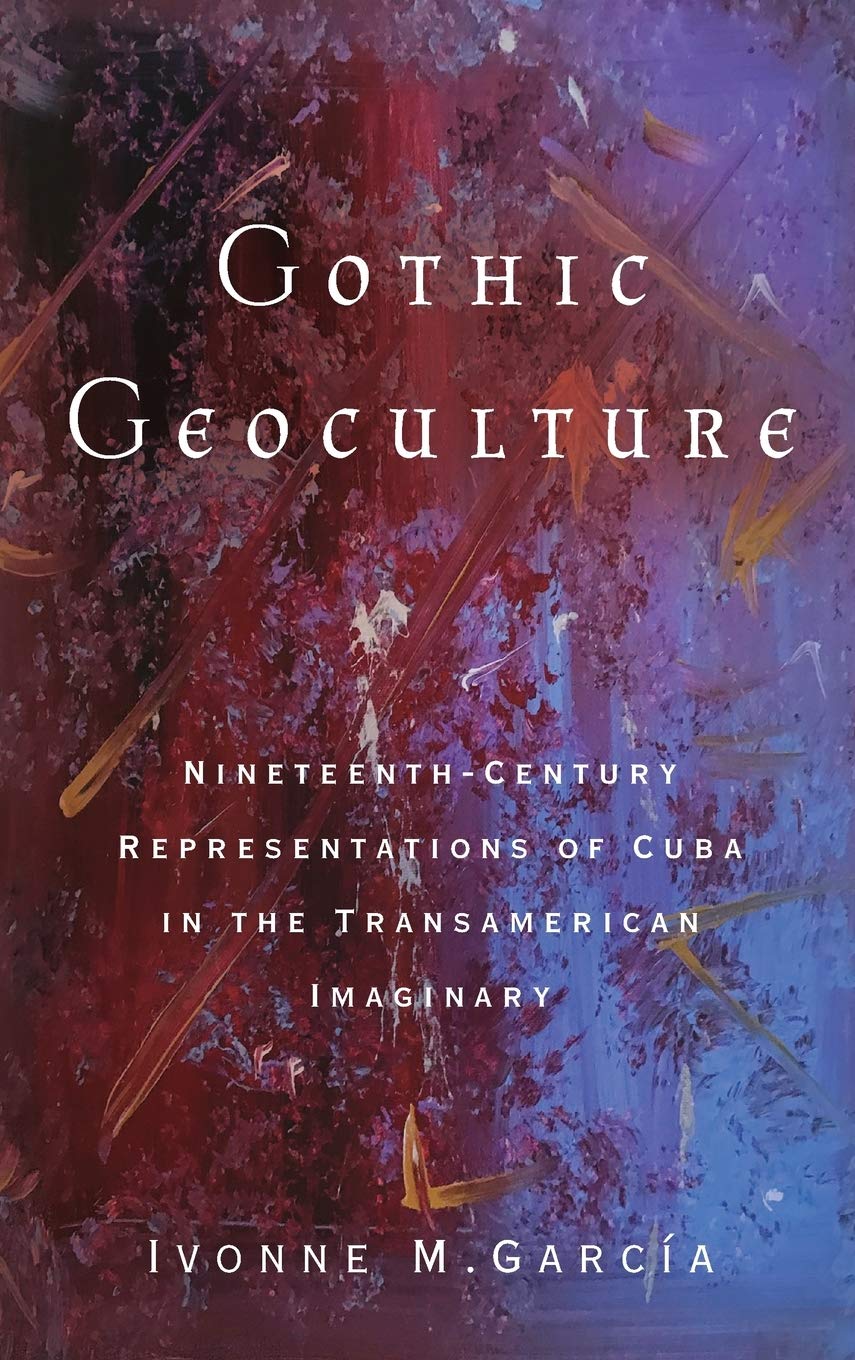
In the nineteenth century, the island of Cuba was a popular site for US travelers, who wrote dozens of travelogues about their experiences. At the same time, Cuban exiles living in the United States, escaping from Spanish colonial repression, wrote about their island and about their US experiences. Within the trove of writings about Cuba in relation to slavery and a rising US empire in the region, Ivonne M. Garcas Gothic Geoculture: NineteenthCentury Representations of Cuba in the Transamerican Imaginary shows how a group of writers, on both sides, used the language of fear to construct gothicizations of the island (and of the United States) through tropes of corruption, doubleness, and monstrosity. Garca coins the term gothic geoculture to show Cubas identity in the nineteenth century as existing at the crossroads between colonialism, slavery, and transamericanity. Specifically looking at a period of colonial anxiety between 1830 and 1890, Garca exposes the ways some writers code Cuba as dangerous and destructive, demonstrating how these transamerican figurations created a series of uncanny simultaneities that expand on and complicate the ways we understand how Cuba and the hemisphere were imagined at that time.
⚠️ WARNING (California Proposition 65):
This product may contain chemicals known to the State of California to cause cancer,
birth defects, or other reproductive harm.
For MAP (Minimum Advertised Price) violations and Intellectual Property (IP) or Trademark concerns, please contact:
support@ergodebooks.com
⚠️ California Proposition 65 Warning: Some products sold on this website may expose you to chemicals known to the State of California to cause cancer, birth defects, or other reproductive harm. For more information, visit www.P65Warnings.ca.gov.