
Title

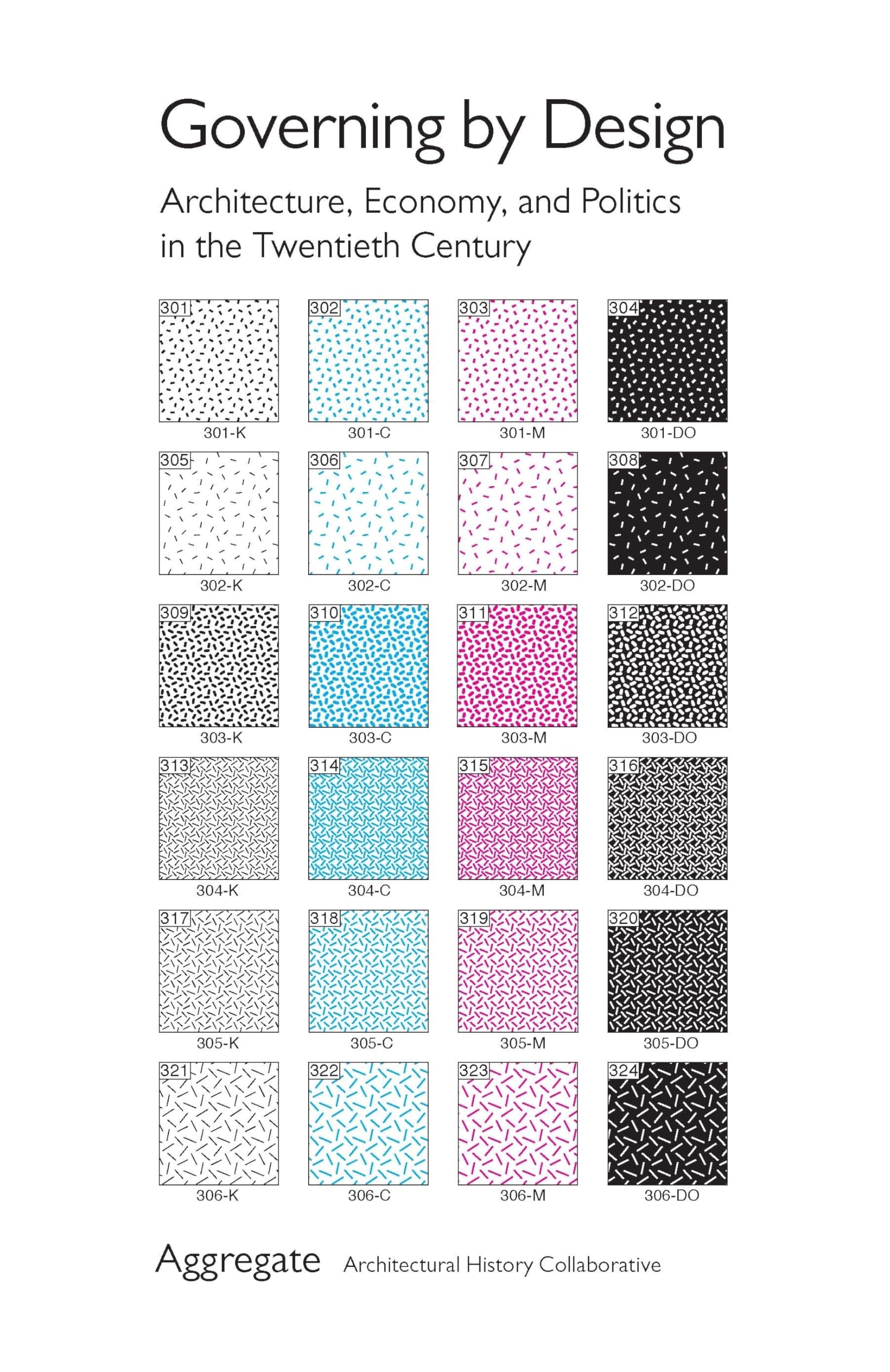
Governing By Design: Architecture, Economy, And Politics In The Twentieth Century (Culture Politics & The Built Environment, 13)
Sold by Ergodebooks, an authorized reseller.
Returns accepted within 30 days | support@ergodebooks.com
Shipping Information
- Free Standard Shipping — United States only
- Processing Time: 3–5 business days
- Estimated Delivery: 6–10 business days after dispatch
- Double-boxed, fully insured & discreetly packaged
- Tracking number sent via email once dispatched
Returns & Refund
Returns accepted within 30 days of delivery.
Damaged or Defective Item
Free return shipping + replacement or full refund
Wrong Item Received
Free return shipping + replacement or full refund
Change of Mind
Return shipping at customer's expense · 25% restocking fee applies
Payment Option

Governing By Design Offers A Unique Perspective On Twentiethcentury Architectural History. It Disputes The Primacy Placed On Individuals In The Design And Planning Process And Instead Looks To The Larger Influences Of Politics, Culture, Economics, And Globalization To Uncover The Roots Of How Our Built Environment Evolves.In These Chapters, Historians Offer Their Analysis On Design As A Vehicle For Power And As A Mediator Of Social Currents. Power Is Defined Through A Variety Of Forms: Modernization, Obsolescence, Technology, Capital, Ergonomics, Biopolitics, And Others. The Chapters Explore The Diffusion Of Power Through The Establishment Of Norms And Networks That Frame Human Conduct, Action, Identity, And Design. They Follow Design As It Functions Through The Body, In The Home, And At The State And International Level.Overall, Aggregate Views The Intersection Of Architecture With The Human Need For What Foucault Termed Governmentalitysocietal Rules, Structures, Repetition, And Protocolsas A Way To Provide Security And Tame Risk. Here, The Conjunction Of Power And The Power Of Design Reinforces Governmentality And Infuses A Sense Of Social Permanence Despite The Exceedingly Fluid Nature Of Societies And The Disintegration Of Cultural Memory In The Modern Era.
⚠️ WARNING (California Proposition 65):
This product may contain chemicals known to the State of California to cause cancer, birth defects, or other reproductive harm.
For more information, please visit www.P65Warnings.ca.gov.
- Q: How many pages does this book have? A: This book has three hundred pages. It provides in-depth analysis and discussions on architectural history and its relation to politics and culture.
- Q: What is the binding type of this book? A: This book is paperback bound. This allows for a flexible and lightweight reading experience.
- Q: What are the dimensions of the book? A: The book measures six inches in length, zero point eight inches in width, and nine point thirteen inches in height. These dimensions make it easy to handle and store.
- Q: Who is the author of this book? A: The book is authored by the collaborative group known as Aggregate Architectural History. They provide a unique perspective on the influence of design in society.
- Q: What genre does this book belong to? A: This book belongs to the genre of History. It examines the intersection of architecture, economy, and politics.
- Q: Is this book suitable for academic study? A: Yes, this book is suitable for academic study. It offers critical insights into architectural history that are valuable for students and researchers.
- Q: How should I care for this book? A: To care for this book, keep it in a dry and cool place. Avoid exposing it to direct sunlight to prevent fading.
- Q: Can this book be read by beginners? A: Yes, beginners can read this book. While it contains academic content, the writing is accessible for general readers interested in architecture.
- Q: Is this book safe to read for all ages? A: Yes, the book is safe to read for all ages. It discusses topics relevant to architecture and culture without inappropriate content.
- Q: What if the book arrives damaged? A: If the book arrives damaged, you can contact customer service for a replacement or refund. Be sure to have your order details handy.
- Q: Does this book include illustrations? A: Yes, the book includes illustrations. These visuals help enhance the understanding of complex architectural concepts.
- Q: Is this book in good condition if used? A: Yes, this is a used book in good condition. It has been inspected to ensure that it is still readable and intact.
- Q: What topics are covered in this book? A: The book covers topics such as design, power dynamics, and the influence of globalization on architecture. It provides a comprehensive historical overview.
- Q: Is there a warranty or return policy for this book? A: Yes, there is a return policy for this book. If you are not satisfied, inquire about the specific terms for returns or exchanges.
- Q: Can I find this book in libraries? A: Yes, this book may be available in libraries. Check your local library's catalog for availability.
- Q: What makes this book unique? A: This book is unique for its perspective on the interplay between architecture, culture, and politics in the twentieth century. It challenges conventional narratives.