If you have any questions, you are always welcome to contact us. We'll get back to you as soon as possible, withing 24 hours on weekdays.
Customer service
All questions about your order, return and delivery must be sent to our customer service team by e-mail at yourstore@yourdomain.com
Sale & Press
If you are interested in selling our products, need more information about our brand or wish to make a collaboration, please contact us at press@yourdomain.com
Help
If you have any questions, you are always welcome to contact us. We'll get back to you as soon as possible, withing 24 hours on weekdays.
Customer service
All questions about your order, return and delivery must be sent to our customer service team by e-mail at yourstore@yourdomain.com
Sale & Press
If you are interested in selling our products, need more information about our brand or wish to make a collaboration, please contact us at press@yourdomain.com
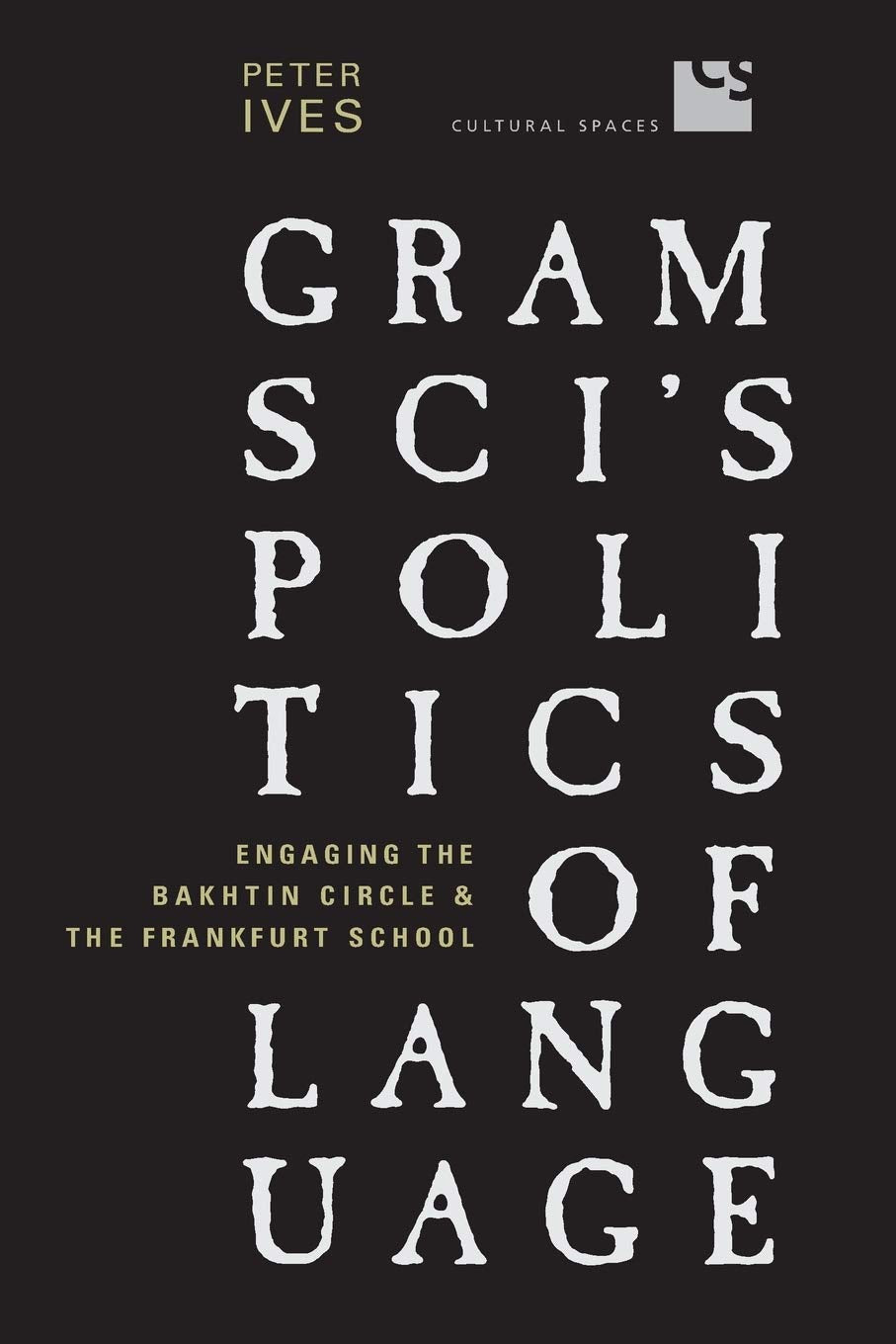
Antonio Gramsci and his concept of hegemony have permeated social and political theory, cultural studies, education studies, literary criticism, international relations, and postcolonial theory. The centrality of language and linguistics to Gramsci's thought, however, has been wholly neglected. In Gramsci's Politics of Language, Peter Ives argues that a university education in linguistics and a preoccupation with Italian language politics were integral to the theorist's thought. Ives explores how the combination of Marxism and linguistics produced a unique and intellectually powerful approach to social and political analysis.To explicate Gramsci's writings on language, Ives compares them with other Marxist approaches to language, including those of the Bakhtin Circle, Walter Benjamin, and the Frankfurt School, including Jrgen Habermas. From these comparisons, Ives elucidates the implications of Gramsci's writings, which, he argues, retained the explanatory power of the semiotic and dialogic insights of Bakhtin and the critical perspective of the Frankfurt School, while at the same time foreshadowing the key problems with both approaches that poststructuralist critiques would later reveal. Gramsci's Politics of Language fills a crucial gap in scholarship, linking Gramsci's writings to current debates in social theory and providing a framework for a thoroughly historicalmaterialist approach to language.
⚠️ WARNING (California Proposition 65):
This product may contain chemicals known to the State of California to cause cancer,
birth defects, or other reproductive harm.
For MAP (Minimum Advertised Price) violations and Intellectual Property (IP) or Trademark concerns, please contact:
support@ergodebooks.com
⚠️ California Proposition 65 Warning: Some products sold on this website may expose you to chemicals known to the State of California to cause cancer, birth defects, or other reproductive harm. For more information, visit www.P65Warnings.ca.gov.