
Title
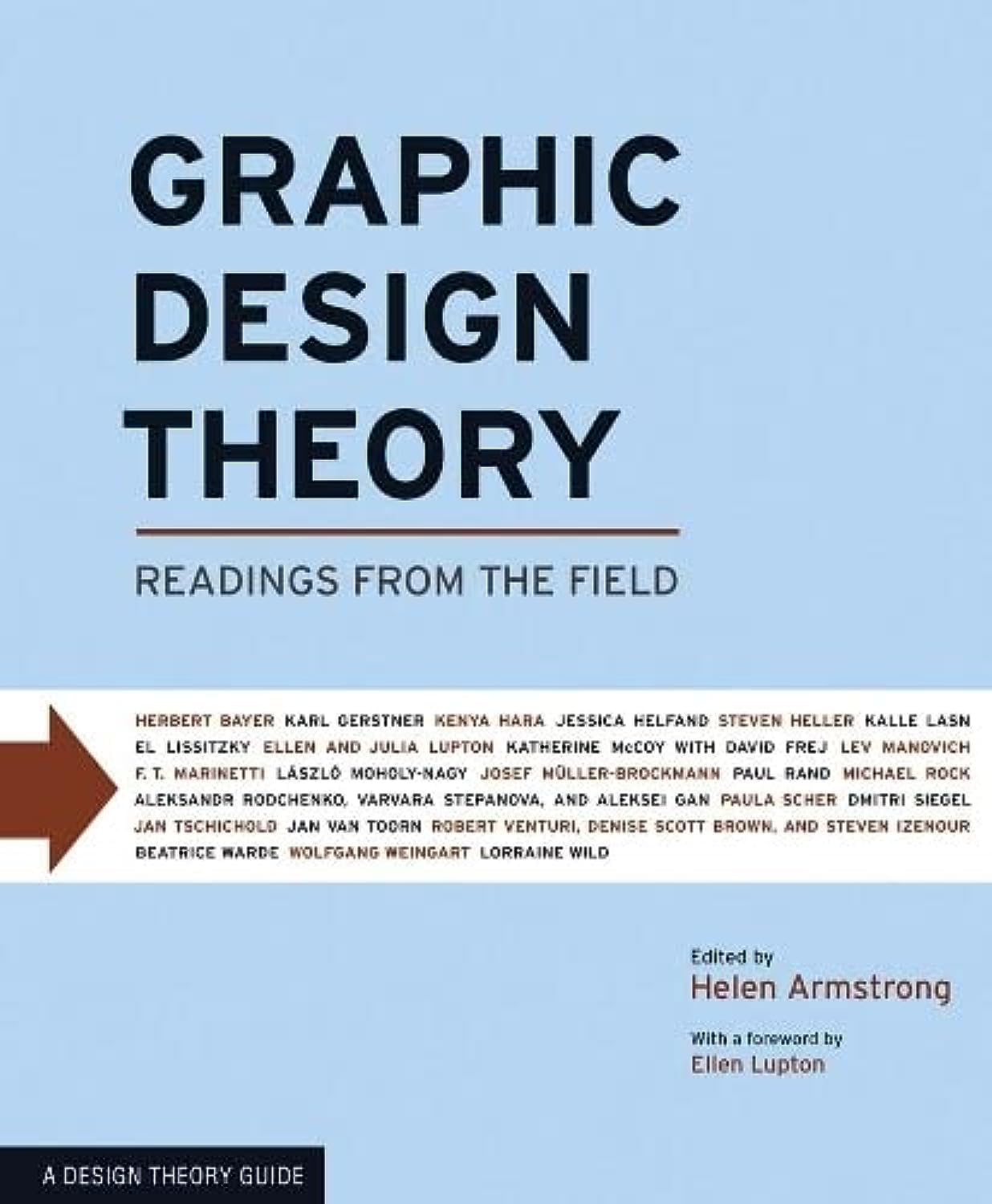
Graphic Design Theory: Readings From The Field
Sold by Ergodebooks, an authorized reseller.
Returns accepted within 30 days | support@ergodebooks.com
Shipping Information
- Free Standard Shipping — United States only
- Processing Time: 3–5 business days
- Estimated Delivery: 6–10 business days after dispatch
- Double-boxed, fully insured & discreetly packaged
- Tracking number sent via email once dispatched
Returns & Refund
Returns accepted within 30 days of delivery.
Damaged or Defective Item
Free return shipping + replacement or full refund
Wrong Item Received
Free return shipping + replacement or full refund
Change of Mind
Return shipping at customer's expense · 25% restocking fee applies
Payment Option

The titles in our bestselling Design Brief series are highly praised by graphic design students, educators, and professionals worldwide as invaluable resources. Each beautifully designed, affordable volume offers a concise overview of a design fundamentalthe hows of design. But as most seasoned designers will tell you, a comprehensive education also requires an understanding of the whys of design practice. Graphic Design Theory presents groundbreaking, primary texts from the most important historical and contemporary designthinkers. From Aleksandr Rodchenko's 'Who We Are: Manifesto of the Constructivist Group' to Kenya Hara's 'Computer Technology and Design,' this essential volume provides the necessary foundation for contemporary critical vocabulary and thought.Graphic Design Theory is organized in three sections: 'Creating the Field' traces the evolution of graphic design over the course of the early 1900s, including influential avantgarde ideas of futurism, constructivism, and the Bauhaus; 'Building on Success' covers the mid to late twentieth century and considers the International Style, modernism, and postmodernism; and 'Mapping the Future' opens at the end of the last century and includes current discussions on legibility, social responsibility, and new media. Striking color images illustrate each of the movements discussed and demonstrate the ongoing relationship between theory and practice. A brief commentary prefaces each text, providing a cultural and historical framework through which the work can be evaluated. Authors include such influential designers as Herbert Bayer, Lszl MoholyNagy, Karl Gerstner, Katherine McCoy, Michael Rock, Lev Manovich, Ellen Lupton, and Lorraine Wild. Additional features include a timeline, glossary, and bibliography for further reading. A musthave survey for graduate and undergraduate courses in design history, theory, and contemporary issues, Graphic Design Theory invites designers and interested readers of all levels to plunge into the world of design discourse.
⚠️ WARNING (California Proposition 65):
This product may contain chemicals known to the State of California to cause cancer, birth defects, or other reproductive harm.
For more information, please visit www.P65Warnings.ca.gov.
- Q: How many pages does this book have? A: This book has one hundred fifty-one pages. It includes various texts from historical and contemporary design thinkers.
- Q: What is the binding type of this book? A: This book is paperback bound. This makes it lightweight and flexible for easy reading.
- Q: What are the dimensions of this book? A: The book measures seven inches in length, eight inches in height, and half an inch in width. These dimensions make it portable and easy to handle.
- Q: Who is the author of this book? A: The author of this book is Helen Armstrong. She is known for her contributions to graphic design education.
- Q: What genre does this book belong to? A: This book belongs to the graphic design genre. It presents foundational texts relevant to design theory.
- Q: How can I apply the theories from this book? A: You can apply the theories by integrating them into your design practice. Use the insights to inform your projects and enhance your design vocabulary.
- Q: Is this book suitable for beginners in graphic design? A: Yes, this book is suitable for beginners. It provides essential readings that lay the groundwork for understanding design theory.
- Q: Can this book help me with contemporary design issues? A: Yes, this book addresses contemporary design issues. It includes discussions on social responsibility and new media relevant to today's design landscape.
- Q: What should I do if the book gets damaged? A: If the book gets damaged, you should contact the seller for a return or exchange policy. Most sellers offer a satisfaction guarantee for damaged items.
- Q: How should I store this book to maintain its condition? A: Store this book in a cool, dry place away from direct sunlight. This will help preserve its binding and prevent fading.
- Q: Is this book appropriate for academic use? A: Yes, this book is appropriate for academic use. It offers primary texts that are often referenced in design courses.
- Q: Does this book include illustrations or images? A: Yes, the book includes striking color images. These illustrations enhance the understanding of the discussed design movements.
- Q: What topics are covered in this book? A: This book covers topics like the evolution of graphic design, influential movements, and current discussions on design practices.
- Q: Is there a commentary included in this book? A: Yes, each text is prefaced with a brief commentary. This commentary provides cultural and historical context for the readings.
- Q: What publisher released this book? A: The book is published by Princeton Architectural Press. They are known for their focus on architecture and design publications.