
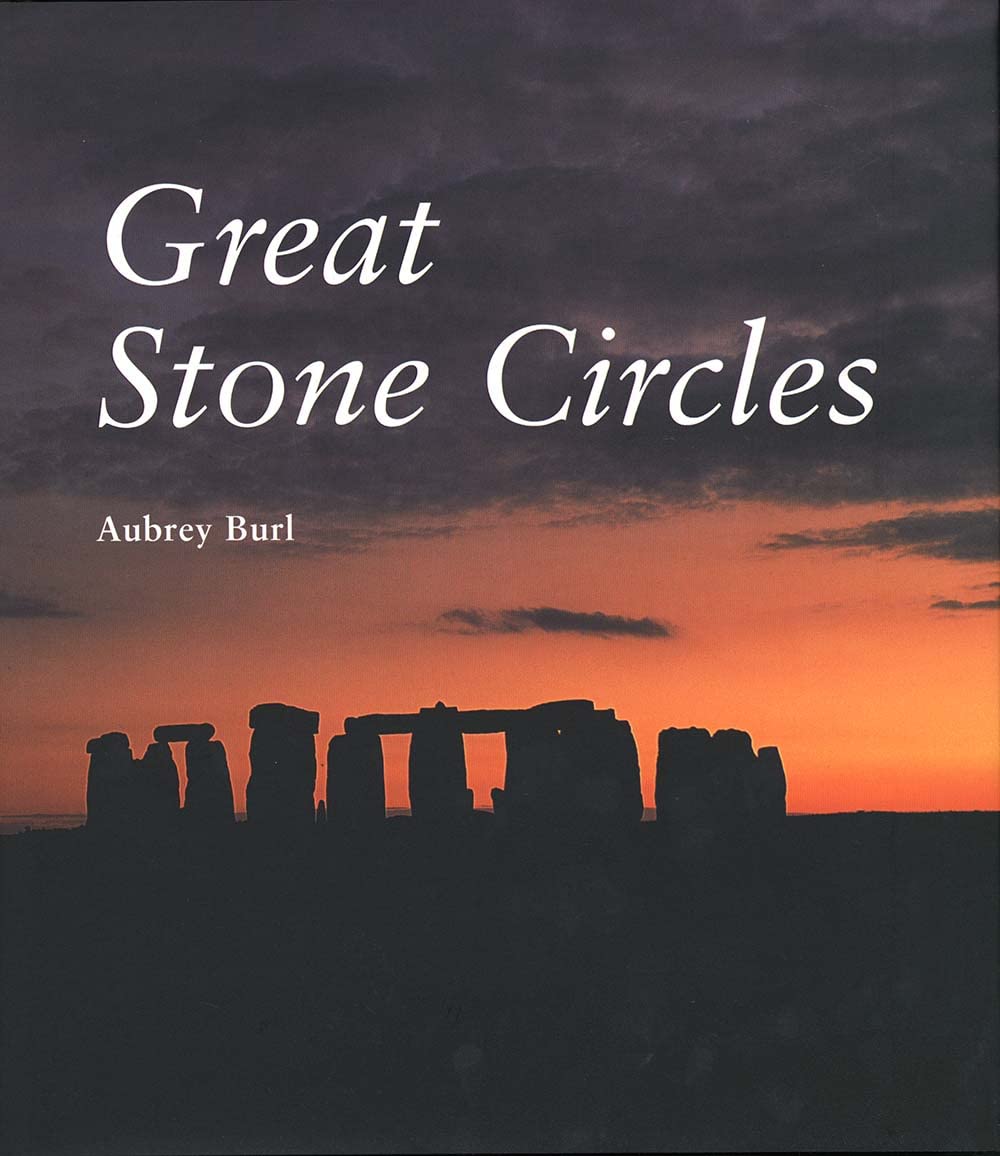
Title
Great Stone Circles: Fables, Fictions, Facts
Sold by Ergodebooks, an authorized reseller.
Returns accepted within 30 days | support@ergodebooks.com
Shipping Information
- Free Standard Shipping — United States only
- Processing Time: 3–5 business days
- Estimated Delivery: 6–10 business days after dispatch
- Double-boxed, fully insured & discreetly packaged
- Tracking number sent via email once dispatched
Returns & Refund
Returns accepted within 30 days of delivery.
Damaged or Defective Item
Free return shipping + replacement or full refund
Wrong Item Received
Free return shipping + replacement or full refund
Change of Mind
Return shipping at customer's expense · 25% restocking fee applies
Payment Option

Thousands of years ago, people in Britain painstakingly arranged huge blocks of stone into careful circles. The most famous of these rings is Stonehenge, but elsewhere in England there are remains of other aweinspiring prehistoric stone circles as well. For those who are enthralled by these enigmatic rings, this book offers fascinating explanations of their many mysteries. Archaeologist Aubrey Burl, for more than thirty years a specialist in the study of stone circles, selects a dozen attractive and evocative rings to illuminate particular archaeological questionsthe purpose of stone circles, their construction, age, design, distribution, art, legends, and relation to astronomy.Burl investigates the legends that surround the Rollright Stones of Oxfordshire, for example, and finds that stories of girls turning to stone and of stones going for a midnight drink in the river are mainly fables of the eighteenth century or later. At Stanton Drew near Bristol, three rings provide a vivid example of prehistoric landscaping. Burl offers sometimes surprising answers to questions about Stonehenge: how were its bluestones transported from southwest Wales, why was its Slaughter Stone not used for sacrifice, and why is Stonehengethe most British of stone circlesnot a stone circle and not British? Burl concludes by reconstructing the social history of Swinside in the Lake District, describing the builders, their way of life, and the ceremonies they performed inside their lovely ring.
⚠️ WARNING (California Proposition 65):
This product may contain chemicals known to the State of California to cause cancer, birth defects, or other reproductive harm.
For more information, please visit www.P65Warnings.ca.gov.