
Title
Greening Brazil: Environmental Activism In State And Society,New
Sold by Ergodebooks, an authorized reseller.
Returns accepted within 30 days | support@ergodebooks.com
Shipping Information
- Free Standard Shipping — United States only
- Processing Time: 3–5 business days
- Estimated Delivery: 6–10 business days after dispatch
- Double-boxed, fully insured & discreetly packaged
- Tracking number sent via email once dispatched
Returns & Refund
Returns accepted within 30 days of delivery.
Damaged or Defective Item
Free return shipping + replacement or full refund
Wrong Item Received
Free return shipping + replacement or full refund
Change of Mind
Return shipping at customer's expense · 25% restocking fee applies
Payment Option

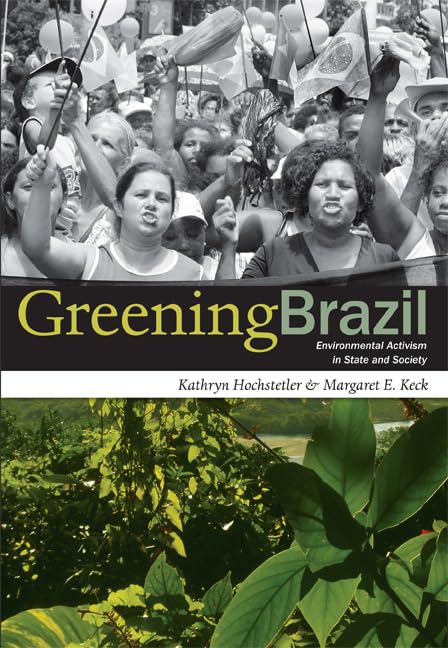
Greening Brazil Challenges The Claim That Environmentalism Came To Brazil From Abroad. Two Political Scientists, Kathryn Hochstetler And Margaret E. Keck, Retell The Story Of Environmentalism In Brazil From The Inside Out, Analyzing The Extensive Efforts Within The Country To Save Its Natural Environment, And The Interplay Of Those Efforts With Transnational Environmentalism. The Authors Trace Brazils Complex Environmental Politics As They Have Unfolded Over Time, From Their Midtwentiethcentury Conservationist Beginnings To The Contemporary Development Of A Distinctive Socioenvironmentalism Meant To Address Ecological Destruction And Social Injustice Simultaneously. Hochstetler And Keck Argue That Explanations Of Brazilian Environmentalismand Environmentalism In The Global South Generallymust Take Into Account The Way That Domestic Political Processes Shape Environmental Reform Efforts.The Authors Present A Multilevel Analysis Encompassing Institutions And Individuals Within The Governmentat National, State, And Local Levelsas Well As The Activists, Interest Groups, And Nongovernmental Organizations That Operate Outside Formal Political Channels. They Emphasize The Importance Of Networks Linking Committed Actors In The Government Bureaucracy With Activists In Civil Society. Portraying A Gradual Process Marked By Periods Of Rapid Advance, Hochstetler And Keck Show How Political Opportunities Have Arisen From Major Political Transformations Such As The Transition To Democracy And From Critical Events, Including The Wellpublicized Murders Of Environmental Activists In 1988 And 2004. Rather Than View Foreign Governments And Organizations As The Instigators Of Environmental Policy Change In Brazil, The Authors Point To Their Importance At Key Moments As Sources Of Leverage And Support.
⚠️ WARNING (California Proposition 65):
This product may contain chemicals known to the State of California to cause cancer, birth defects, or other reproductive harm.
For more information, please visit www.P65Warnings.ca.gov.