
Title
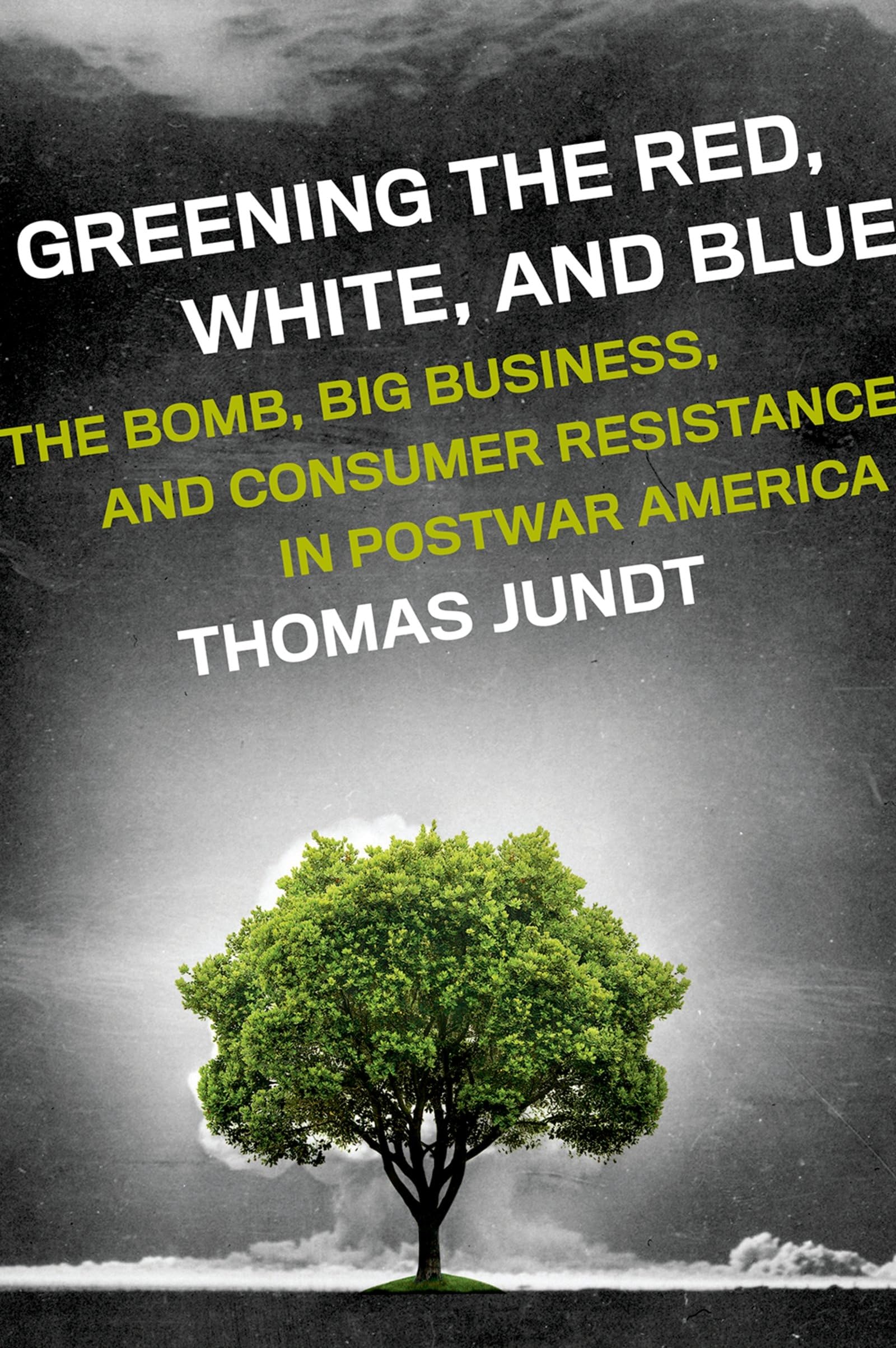
Greening The Red, White, And Blue: The Bomb, Big Business, And Consumer Resistance In Postwar America
Sold by Ergodebooks, an authorized reseller.
Returns accepted within 30 days | support@ergodebooks.com
Shipping Information
- Free Standard Shipping — United States only
- Processing Time: 3–5 business days
- Estimated Delivery: 6–10 business days after dispatch
- Double-boxed, fully insured & discreetly packaged
- Tracking number sent via email once dispatched
Returns & Refund
Returns accepted within 30 days of delivery.
Damaged or Defective Item
Free return shipping + replacement or full refund
Wrong Item Received
Free return shipping + replacement or full refund
Change of Mind
Return shipping at customer's expense · 25% restocking fee applies
Payment Option

In Popular Imagination, Environmentalism Is Often Linked To Rachel Carson'S Silent Spring And The Political Activism Of The 1960S And '70S That Moved Increasing Numbers Of Americans To Insist On A Better Quality Of Lifeopen Spaces, Clean Air And Water, Beautification Campaigns. But These Interpretations Have Obscured The Significant Origins Of Environmentalism As A Moral And Intellectual Broadside Against The Growing Power Of Corporate Capitalism, Both Domestically And In The Postwar Liberal International Order The United States Was Enacting Abroad.In Greening The Red, White, And Blue, Thomas Jundt Shows How Many Americans Came To View Powerful Corporations And A Federal Government Bent On Economic Growth As Threats To Human Health And The Environment. Fallout From Atomic Testing, Air And Water Pollution, The Proliferation Of Pesticides And Herbicidesall Connected To The Growing Dominance Of Technology And Corporate Capitalism In American Lifeled A Variety Of Constituencies To Seek Solutions In What Came To Be Known As Environmentalism. In Addition To Political And Legal Campaigns To Effect Change, An Alternative Form Of Civic Participation Emerged Beginning In The Late1940S As Growing Numbers Of Citizens Turned To What They Deemed Environmentally Friendly Consumption Practices. The Goal Of This Politically Charged Consumption Was Not Only To Protect Themselves And Their Families From Harm, But Also To Achieve Social Change At A Time When Many Believed The Government Was Placing The Desires Of Business Before The Needs Of Its Citizens. Politicians Responded To The Growing Environmental Concerns Of Middle Class Americans, But, In The End, Continual Political Compromises With Corporate Power Meant Weak Laws And Lax Enforcement. Many Citizens Sought Refuge In An Alternative Green Marketplaceincluding Organic Foods, Naturalfiber Clothing, Alternative Energy, And Everyday Products Designed To Have Minimal Environmental Impact. In Doing So, They Attempted To Create A Community For Those Who Shared Their Concerns And Frustrations, As Well As Their Vision For A Different American Way.Thomas Jundt'S Work Highlights The Intertwining Of Consumerism And Environmentalism Amidst The Growing Power Of Corporate Capitalism And Government In Postwar America.
⚠️ WARNING (California Proposition 65):
This product may contain chemicals known to the State of California to cause cancer, birth defects, or other reproductive harm.
For more information, please visit www.P65Warnings.ca.gov.
- Q: What is the page count of this book? A: The book contains three hundred twenty-two pages. This length provides a comprehensive exploration of environmentalism and consumer resistance.
- Q: What is the binding type of this book? A: This book is hardcover. The hardcover binding offers durability and a more premium feel for readers.
- Q: Who is the author of this book? A: The author is Thomas Jundt. He provides insightful analysis on the intersection of consumerism and environmentalism.
- Q: What is the genre of this book? A: The genre is Environmental Economics. It discusses the historical context of environmental issues in postwar America.
- Q: How do I read this book? A: You can read this book at your own pace. It is suitable for anyone interested in environmental history and consumer practices.
- Q: Is this book suitable for beginners in environmental studies? A: Yes, this book is suitable for beginners. It presents complex ideas in an accessible manner for those new to the subject.
- Q: How should I store this book? A: Store this book in a cool, dry place. Keeping it away from direct sunlight will help preserve its condition.
- Q: Can I clean the cover of this book? A: Yes, you can gently wipe the cover with a soft, damp cloth. Avoid using harsh chemicals to maintain the book's appearance.
- Q: What if the book arrives damaged? A: If the book arrives damaged, you should contact the seller for a return or exchange. Most sellers have policies for damaged items.
- Q: How does this book compare to others in environmental literature? A: This book offers a unique perspective by linking consumerism to environmentalism, which sets it apart from standard environmental literature.
- Q: Is this book recommended for advanced readers? A: Yes, advanced readers will find valuable insights. It provides a deep analysis of environmental issues relevant to both historical and contemporary contexts.
- Q: What themes are explored in this book? A: The book explores themes such as corporate capitalism, consumer resistance, and the evolution of environmentalism in America.
- Q: What is the significance of the book's title? A: The title reflects the intertwining of nationalism and environmental concerns in America, highlighting the moral implications of consumer choices.
- Q: Are there any illustrations or images in this book? A: No, this book does not contain illustrations. It focuses on textual analysis and historical context.
- Q: What is the publication date of this book? A: The book was published in 2012. It provides a contemporary perspective on historical environmental movements.
- Q: What kind of audience would benefit from reading this book? A: Students, researchers, and anyone interested in environmental policy and consumer culture will benefit from this book.