
Title
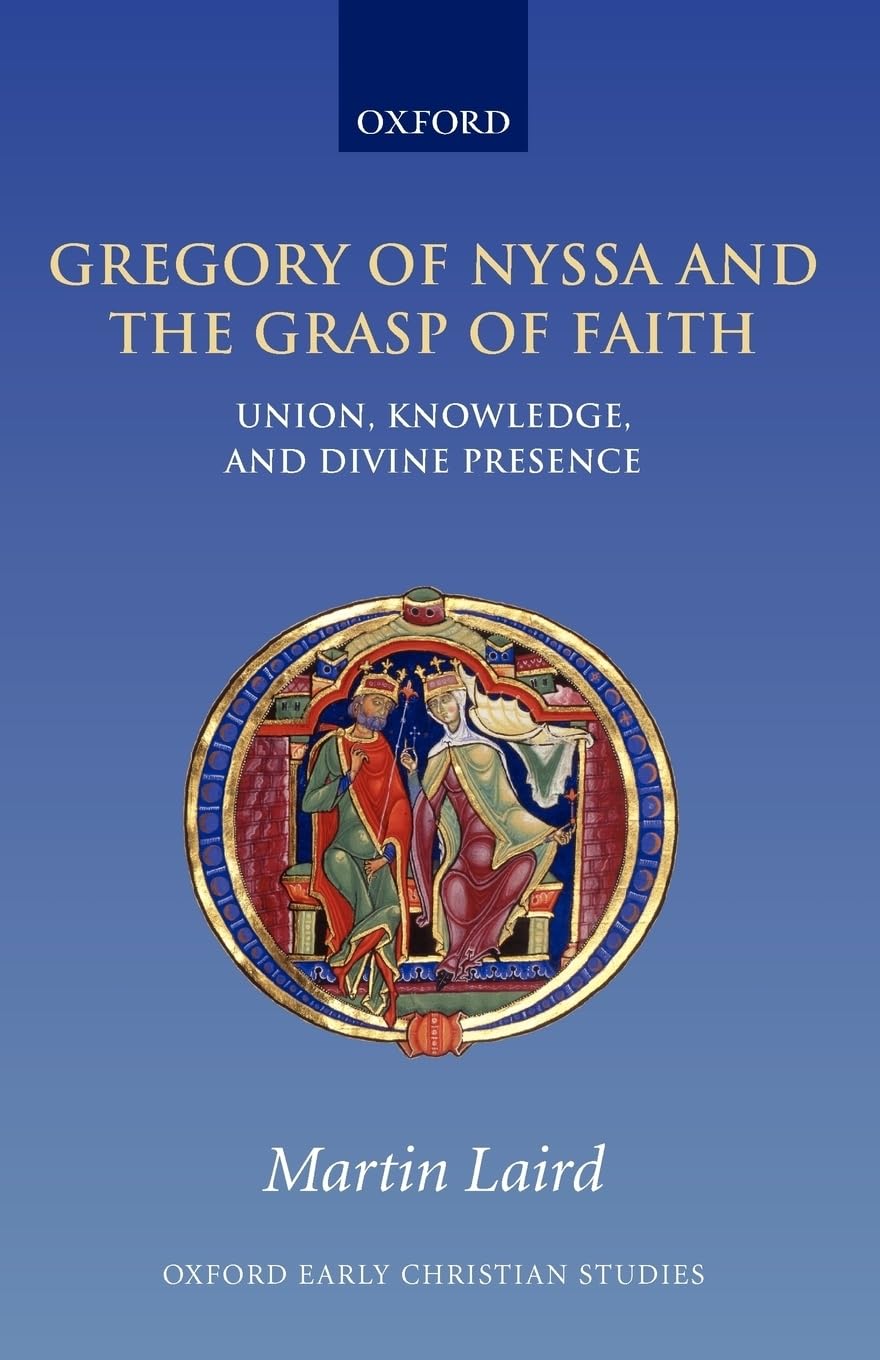
Gregory of Nyssa and the Grasp of Faith: Union, Knowledge, and Divine Presence (Oxford Early Christian Studies),Used
Sold by Ergodebooks, an authorized reseller.
Returns accepted within 30 days | support@ergodebooks.com
Shipping Information
- Free Standard Shipping — United States only
- Processing Time: 3–5 business days
- Estimated Delivery: 6–10 business days after dispatch
- Double-boxed, fully insured & discreetly packaged
- Tracking number sent via email once dispatched
Returns & Refund
Returns accepted within 30 days of delivery.
Damaged or Defective Item
Free return shipping + replacement or full refund
Wrong Item Received
Free return shipping + replacement or full refund
Change of Mind
Return shipping at customer's expense · 25% restocking fee applies
Payment Option

Scholars of Gregory of Nyssa have long acknowledged the centrality of faith in his theory of divine union. To date, however, there has been no sustained examination of this key topic. The present study fills this gap and elucidates important auxiliary themes that accrue to Gregory's notion of faith as a faculty of apophatic union with God. The result adjusts how we understand the Cappadocian's apophaticism in general and his socalled mysticism of darkness in particular.After a general discussion of the increasing value of faith in late Neoplatonism and an overview of important work done on Gregorian faith, this study moves on to sketch a portrait of the mind and its dynamic, varying cognitive states and how these respond to the divine pedagogy of scripture, baptism, and the presence of God. With this portrait of the mind as a backdrop we see how Gregory values faith for its ability to unite with God, who remains beyond the comprehending grasp of mind. A close examination of the relationship between faith and mind shows Gregory bestowing on faith qualities which Plotinus would have granted only to the "crest of the wave of intellect."While Gregorian faith serves as the faculty of apophatic union with God, faith yet gives something to mind. This dimension of Gregory's apophaticism has gone largely unnoticed by scholars. At the apex of an apophatic ascent faith unites with God the Word; by virtue of this union the believer takes on the qualities of the Word, who speaks (logophasis) in the deeds and discourse of the believer. Finally this study redresses how Gregory has been identified with a "mysticism of darkness" and argues that he proposes no less a "mysticism of light."
⚠️ WARNING (California Proposition 65):
This product may contain chemicals known to the State of California to cause cancer, birth defects, or other reproductive harm.
For more information, please visit www.P65Warnings.ca.gov.