If you have any questions, you are always welcome to contact us. We'll get back to you as soon as possible, withing 24 hours on weekdays.
Customer service
All questions about your order, return and delivery must be sent to our customer service team by e-mail at yourstore@yourdomain.com
Sale & Press
If you are interested in selling our products, need more information about our brand or wish to make a collaboration, please contact us at press@yourdomain.com
Help
If you have any questions, you are always welcome to contact us. We'll get back to you as soon as possible, withing 24 hours on weekdays.
Customer service
All questions about your order, return and delivery must be sent to our customer service team by e-mail at yourstore@yourdomain.com
Sale & Press
If you are interested in selling our products, need more information about our brand or wish to make a collaboration, please contact us at press@yourdomain.com
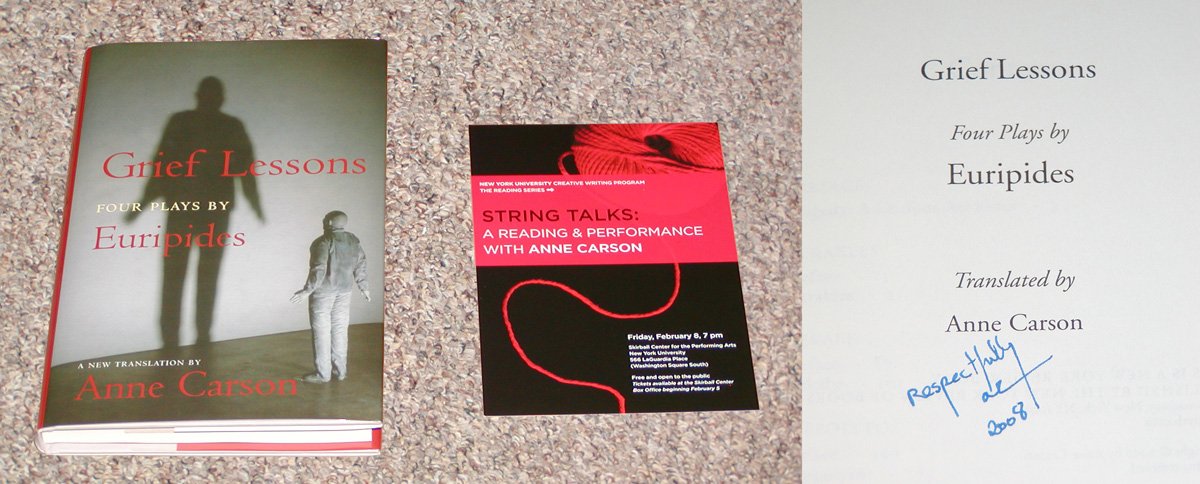
Euripides, the last of the three great tragedians of ancient Athens, reached the height of his renown during the disastrous Peloponnesian War, when democratic Athens was brought down by its own outsized ambitions. Euripides, the classicist Bernard Knox has written, was born never to live in peace with himself and to prevent the rest of mankind from doing so. His plays were shockers: he unmasked heroes, revealing them as foolish and savage, and he wrote about the powerlesswomen and children, slaves and barbariansfor whom tragedy was not so much exceptional as unending. Euripides plays rarely won first prize in the great democratic competitions of ancient Athens, but their combustible mixture of realism and extremism fascinated audiences throughout the Greek world. In the last days of the Peloponnesian War, Athenian prisoners held captive in faroff Sicily were said to have won their freedom by reciting snatches of Euripides latest tragedies.Four of those tragedies are here presented in new translations by the contemporary poet and classicist Anne Carson. They are Herakles, in which the hero swaggers home to destroy his own family; Hekabe, set after the Trojan War, in which Hektors widow takes vengeance on her Greek captors; Hippolytos, about love and the horror of love; and the strange tragiccomedy fable Alkestis, which tells of a husband who arranges for his wife to die in his place. The volume also contains brief introductions by Carson to each of the plays along with two remarkable framing essays: Tragedy: A Curious Art Form and Why I Wrote Two Plays About Phaidra.
⚠️ WARNING (California Proposition 65):
This product may contain chemicals known to the State of California to cause cancer,
birth defects, or other reproductive harm.
For MAP (Minimum Advertised Price) violations and Intellectual Property (IP) or Trademark concerns, please contact:
support@ergodebooks.com
⚠️ California Proposition 65 Warning: Some products sold on this website may expose you to chemicals known to the State of California to cause cancer, birth defects, or other reproductive harm. For more information, visit www.P65Warnings.ca.gov.