
Title
Grooming, Gossip, and the Evolution of Language,Used
Sold by Ergodebooks, an authorized reseller.
Returns accepted within 30 days | support@ergodebooks.com
Shipping Information
- Free Standard Shipping — United States only
- Processing Time: 3–5 business days
- Estimated Delivery: 6–10 business days after dispatch
- Double-boxed, fully insured & discreetly packaged
- Tracking number sent via email once dispatched
Returns & Refund
Returns accepted within 30 days of delivery.
Damaged or Defective Item
Free return shipping + replacement or full refund
Wrong Item Received
Free return shipping + replacement or full refund
Change of Mind
Return shipping at customer's expense · 25% restocking fee applies
Payment Option

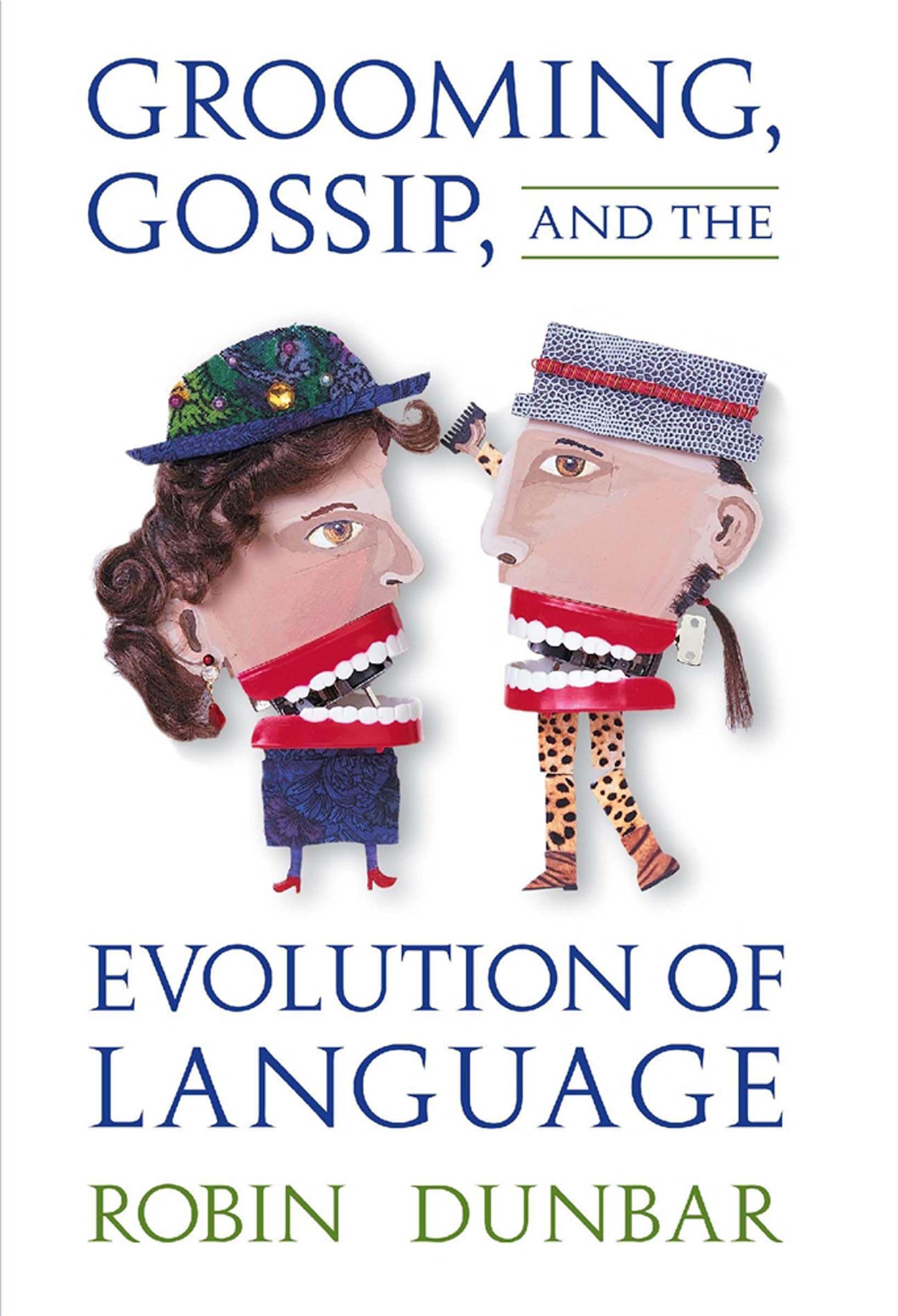
What a big brain we have for all the small talk we make. It's an evolutionary riddle that at long last makes sense in this intriguing book about what gossip has done for our talkative species. Psychologist Robin Dunbar looks at gossip as an instrument of social order and cohesionmuch like the endless grooming with which our primate cousins tend to their social relationships.Apes and monkeys, humanity's closest kin, differ from other animals in the intensity of these relationships. All their grooming is not so much about hygiene as it is about cementing bonds, making friends, and influencing fellow primates. But for early humans, grooming as a way to social success posed a problem: given their large social groups of 150 or so, our earliest ancestors would have had to spend almost half their time grooming one anotheran impossible burden. What Dunbar suggestsand his research, whether in the realm of primatology or in that of gossip, confirmsis that humans developed language to serve the same purpose, but far more efficiently. It seems there is nothing idle about chatter, which holds together a diverse, dynamic groupwhether of huntergatherers, soldiers, or workmates.Anthropologists have long assumed that language developed in relationships among males during activities such as hunting. Dunbar's original and extremely interesting studies suggest otherwise: that language in fact evolved in response to our need to keep up to date with friends and family. We needed conversation to stay in touch, and we still need it in ways that will not be satisfied by teleconferencing, email, or any other communication technology. As Dunbar shows, the impersonal world of cyberspace will not fulfill our primordial need for facetoface contact.From the nitpicking of chimpanzees to our chats at coffee break, from neuroscience to paleoanthropology, Grooming, Gossip, and the Evolution of Language offers a provocative view of what makes us human, what holds us together, and what sets us apart.
⚠️ WARNING (California Proposition 65):
This product may contain chemicals known to the State of California to cause cancer, birth defects, or other reproductive harm.
For more information, please visit www.P65Warnings.ca.gov.
- Q: What is the main theme of 'Grooming, Gossip, and the Evolution of Language'? A: The book explores how gossip and language have evolved as tools for social cohesion and communication among humans, drawing parallels with grooming behaviors in primates.
- Q: Who is the author of this book? A: The author is Robin Dunbar, a psychologist known for his research on social relationships and communication.
- Q: What is the publication date of this book? A: The book was published on October 1, 1998.
- Q: How many pages does this book have? A: This book contains 240 pages.
- Q: What type of binding does this book have? A: The book is available in paperback binding.
- Q: What is the condition of the book? A: The book is in new condition.
- Q: What category does this book fall under? A: This book is categorized under Linguistics.
- Q: Is this book suitable for academic study? A: Yes, this book provides valuable insights into language evolution and social behavior, making it suitable for academic study in linguistics and psychology.
- Q: Does the book discuss the relationship between grooming in primates and human communication? A: Yes, the book discusses how grooming in primates relates to social bonds and how language evolved to fulfill similar social functions among humans.
- Q: What can readers expect to learn from this book? A: Readers can expect to learn about the evolutionary significance of gossip and language, and how these elements are crucial for maintaining social relationships.