
Title
Grounds For Cognition: How Goalguided Behavior Shapes The Mind,Used
Sold by Ergodebooks, an authorized reseller.
Returns accepted within 30 days | support@ergodebooks.com
Shipping Information
- Free Standard Shipping — United States only
- Processing Time: 3–5 business days
- Estimated Delivery: 6–10 business days after dispatch
- Double-boxed, fully insured & discreetly packaged
- Tracking number sent via email once dispatched
Returns & Refund
Returns accepted within 30 days of delivery.
Damaged or Defective Item
Free return shipping + replacement or full refund
Wrong Item Received
Free return shipping + replacement or full refund
Change of Mind
Return shipping at customer's expense · 25% restocking fee applies
Payment Option

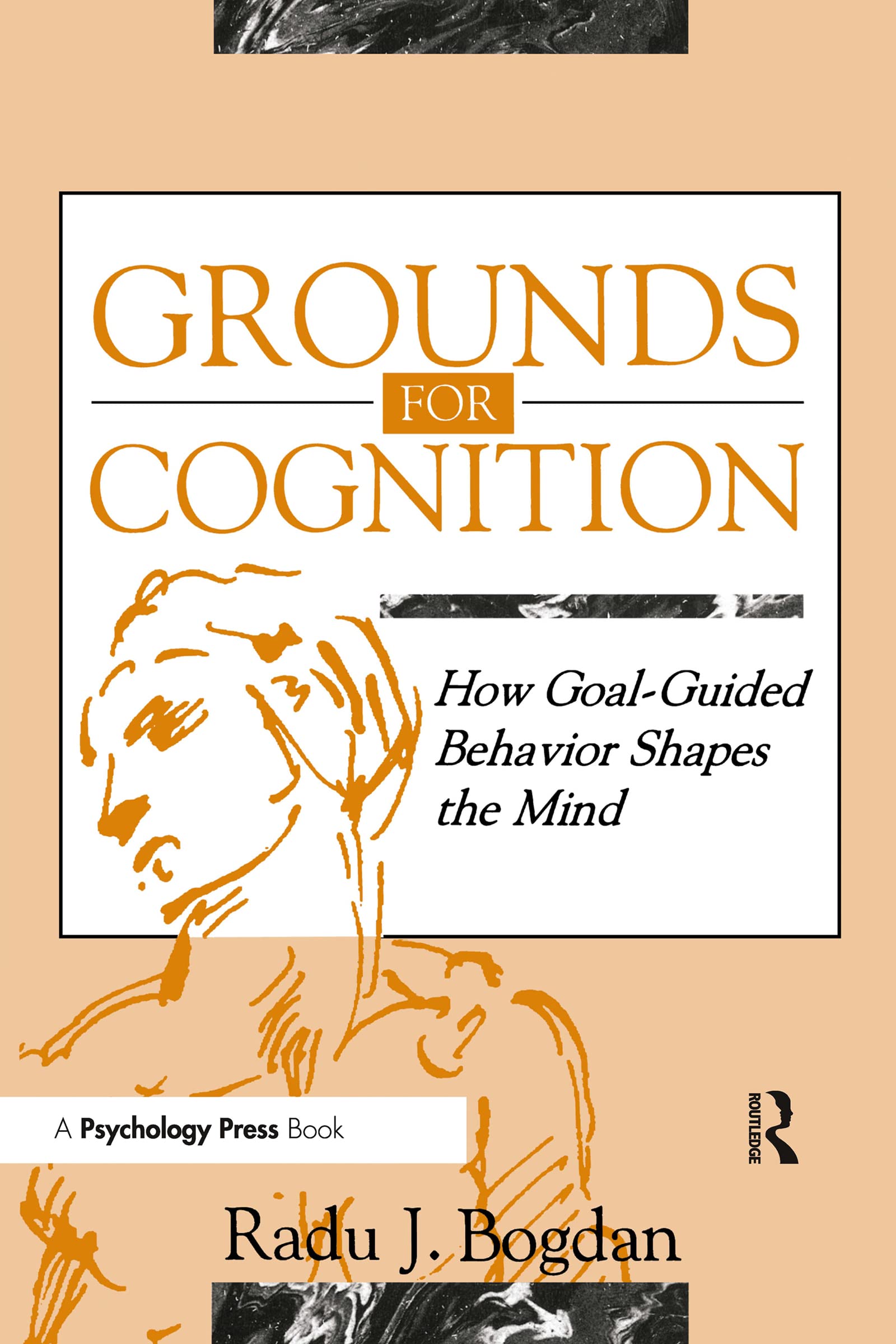
Q: Why do organisms need cognition?A: To get information about their environments.Q: Why such information?A: Because organisms need to guide their behaviors to goals.Q: Why guidance?A: Because it leads to goal satisfaction.Q: Why goals?Cognition is a naturally selected response by genetic programs to the evolutionary pressure of guiding behaviors to goals. Organisms are material systems that maintain and replicate themselves by engaging their world in goaldirected ways. This is how guidance of behavior to goal grounds and explains cognition and the main forms in which it manages information. Guidance to goal also makes a difference to the understanding of human cognition. Simpler forms of cognition evolve to handle fixed informational transactions with the world, whereas human cognition evolves the abilities to script flexible goal situations that fit specific contexts of behavior.This teleoevolutionary approach has important implications for cognitive science, two of which are programmatic. One is that information that guides to goal is not exclusively cognitive; guidance is also affected by ecological facts and regularities as well as by design assumptions about them. The other implication is that the functional analyses dominant in cognitive science and philosophy of mind are incomplete and weak. They are incomplete in that they focus only on the explicitly encoded cognitive information and its behavioral consequences, thus ignoring the larger guidance arrangements; and weak because causal and functional relations implement but underdetermine goaldirected and goalguided procesess.A work dealing expressly with the foundations of cognitive science, this book addresses basic but seldomasked questions about the evolutionary rationale of cognition and the way this rationale has shaped the major types of cognition. It also provides a teleological answer to these basic questions in terms of goal directedness and particularly guidance of behavior to goal. In so doing, the work defends the scientific respectability and the explanatory necessity of teleology by showing that goal directedness characterizes the work of genetic programs.
⚠️ WARNING (California Proposition 65):
This product may contain chemicals known to the State of California to cause cancer, birth defects, or other reproductive harm.
For more information, please visit www.P65Warnings.ca.gov.