If you have any questions, you are always welcome to contact us. We'll get back to you as soon as possible, withing 24 hours on weekdays.
Customer service
All questions about your order, return and delivery must be sent to our customer service team by e-mail at yourstore@yourdomain.com
Sale & Press
If you are interested in selling our products, need more information about our brand or wish to make a collaboration, please contact us at press@yourdomain.com
Help
If you have any questions, you are always welcome to contact us. We'll get back to you as soon as possible, withing 24 hours on weekdays.
Customer service
All questions about your order, return and delivery must be sent to our customer service team by e-mail at yourstore@yourdomain.com
Sale & Press
If you are interested in selling our products, need more information about our brand or wish to make a collaboration, please contact us at press@yourdomain.com
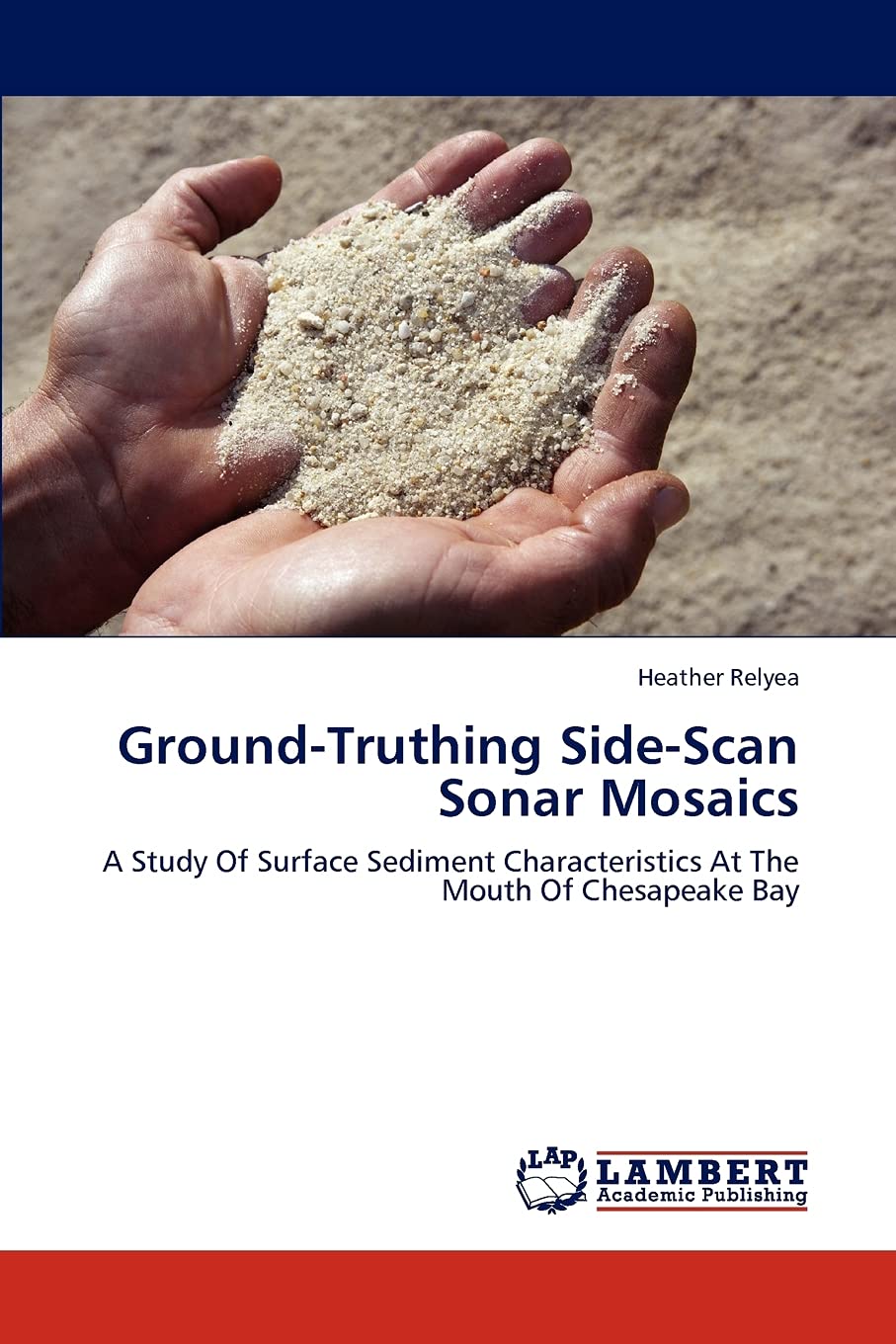
This study explored the relationship between bottom sample characteristics and backscatter intensities of highfrequency side scan sonar. Bottom samples collected during the summer of 2009 from an area at the mouth of the Chesapeake Bay in Virginia were compared with sidescan sonar readings taken from the same area by the NOAA hydrographic research ship Thomas Jefferson from 20072009. Fifty sediment samples were collected in the study area and analyzed to determine percent carbonate, total organic content, and grain size. These data were then plotted against seven overlapping 455 kHz sidescan sonar mosaics using ArcGIS to visually examine how differences in sediment characteristics relate to differences in the backscatter intensity. Analysis of the data showed that there is a positive correlation between sediment grain size and sidescan backscatter intensity throughout the range of intensities, with a stronger correlation for high intensity areas and coarse grain sizes, but a much weaker correlation in lower intensity areas.
⚠️ WARNING (California Proposition 65):
This product may contain chemicals known to the State of California to cause cancer,
birth defects, or other reproductive harm.
For MAP (Minimum Advertised Price) violations and Intellectual Property (IP) or Trademark concerns, please contact:
support@ergodebooks.com
⚠️ California Proposition 65 Warning: Some products sold on this website may expose you to chemicals known to the State of California to cause cancer, birth defects, or other reproductive harm. For more information, visit www.P65Warnings.ca.gov.