
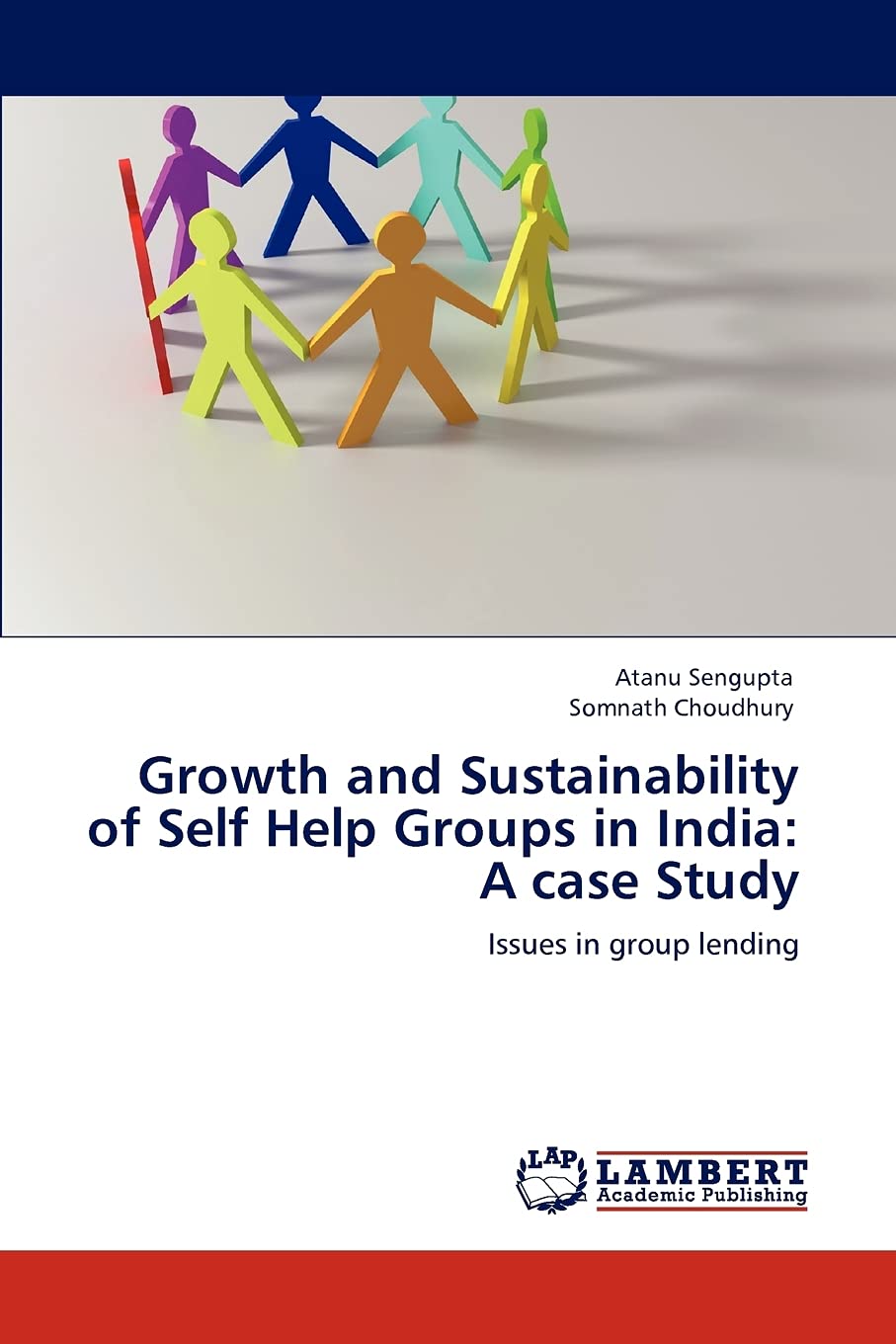
Title
Growth and Sustainability of Self Help Groups in India: A case Study: Issues in group lending,Used
Sold by Ergodebooks, an authorized reseller.
Returns accepted within 30 days | support@ergodebooks.com
Shipping Information
- Free Standard Shipping — United States only
- Processing Time: 3–5 business days
- Estimated Delivery: 6–10 business days after dispatch
- Double-boxed, fully insured & discreetly packaged
- Tracking number sent via email once dispatched
Returns & Refund
Returns accepted within 30 days of delivery.
Damaged or Defective Item
Free return shipping + replacement or full refund
Wrong Item Received
Free return shipping + replacement or full refund
Change of Mind
Return shipping at customer's expense · 25% restocking fee applies
Payment Option

People are poor since they have low skill. They are low skilled since they are poor. To break this vicious cycle, it necessary to empower people so that they can gain access to the capital market. The group lending is an important idea that helps to break the shackle. Generally such group formation are voluntary. In India, however, there is an active public support system to enhance, monitor and further this system. In our study, we try to understand the efficacy of the public system in fostering this job. Most of the standard studies in this field are oriented towards the individuals who form group. In our case, the focus is different. We try to see how far the public authorities are able to fulfill their job. Using data from a poor district in India, we study growth and sustainability of Self Help Groups . We find that the public system is not very effective in provision of the necessary impetus towards the group formation. The links are weak and often nonexistent. A radical shift in the standard practice is highly required.
⚠️ WARNING (California Proposition 65):
This product may contain chemicals known to the State of California to cause cancer, birth defects, or other reproductive harm.
For more information, please visit www.P65Warnings.ca.gov.