
Title
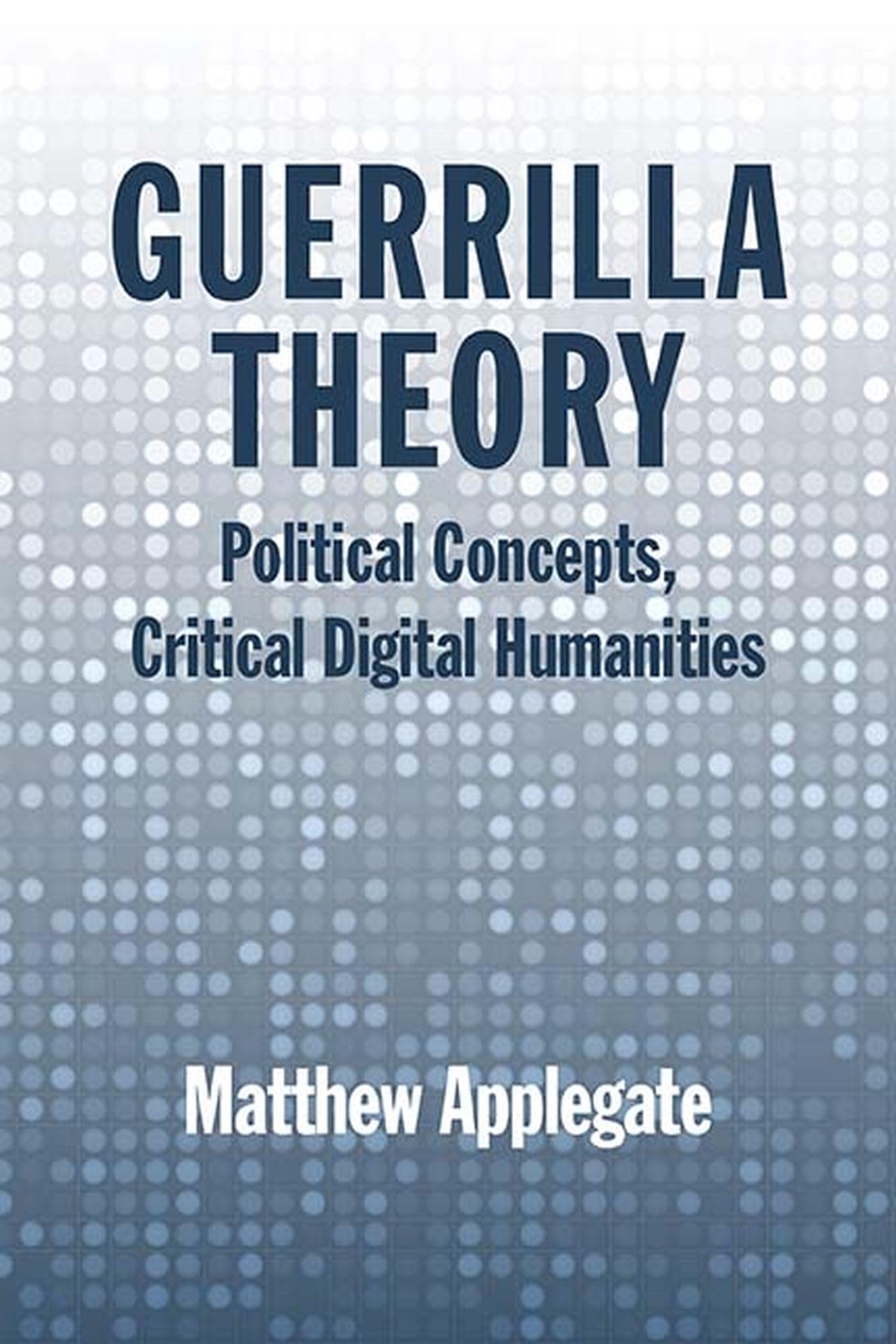
Guerrilla Theory: Political Concepts, Critical Digital Humanities,Used
Sold by Ergodebooks, an authorized reseller.
Returns accepted within 30 days | support@ergodebooks.com
Shipping Information
- Free Standard Shipping — United States only
- Processing Time: 3–5 business days
- Estimated Delivery: 6–10 business days after dispatch
- Double-boxed, fully insured & discreetly packaged
- Tracking number sent via email once dispatched
Returns & Refund
Returns accepted within 30 days of delivery.
Damaged or Defective Item
Free return shipping + replacement or full refund
Wrong Item Received
Free return shipping + replacement or full refund
Change of Mind
Return shipping at customer's expense · 25% restocking fee applies
Payment Option

Product Description Guerrilla Theory examines the political, ontological, and technological underpinnings of the guerrilla in the digital humanities (DH). The figure of the guerrilla appears in digital humanities recent history as an agent of tactical reformation. It refers to a broad swath of disciplinary desires: digital humanities claim to collaborative and inclusive pedagogy, minimal and encrypted computing, and a host of minoritarian political interventions in its praxis, including queer politics, critical race studies, and feminist theory. In this penetrating study, Matthew Applegate uses the guerrilla to connect popular iterations of digital humanities practice to its political rhetoric and infrastructure. By doing so, he reorients DHs conceptual lexicon around practices of collective becoming, mediated by claims to conflict, antagonism, and democratic will. Applegate traces Michael Hardt and Antonio Negris radical democratic ingresses intonetwork theory, the guerrillas role in its discourse, and concerns for the digital humanitiesown invocation of the figure. The book also connects post and decolonial, feminist,and Marxist iterations of DH praxis to the aesthetic histories of movements such as Latin American Third Cinema and the documentary cinema of the Black PantherParty. Concluding with a meditation on contemporary political modalities inherent inDHs disciplinary expansion,Guerrilla Theory challenges the current political scope ofthe digital humanities and thus its future institutional impact. Review Applegates work serves as both a genealogy and a challenge to DH praxis, and it is perhaps most compelling (and timely) as the latter.Anastasia Salter, coauthor ofToxic Geek Masculinity: Sexism, Trolling, and Identity Policing About the Author MATTHEW APPLEGATE is an assistant professor of English and digital humanities and director of the Writing Concentration at Molloy College in New York.
⚠️ WARNING (California Proposition 65):
This product may contain chemicals known to the State of California to cause cancer, birth defects, or other reproductive harm.
For more information, please visit www.P65Warnings.ca.gov.