
Title
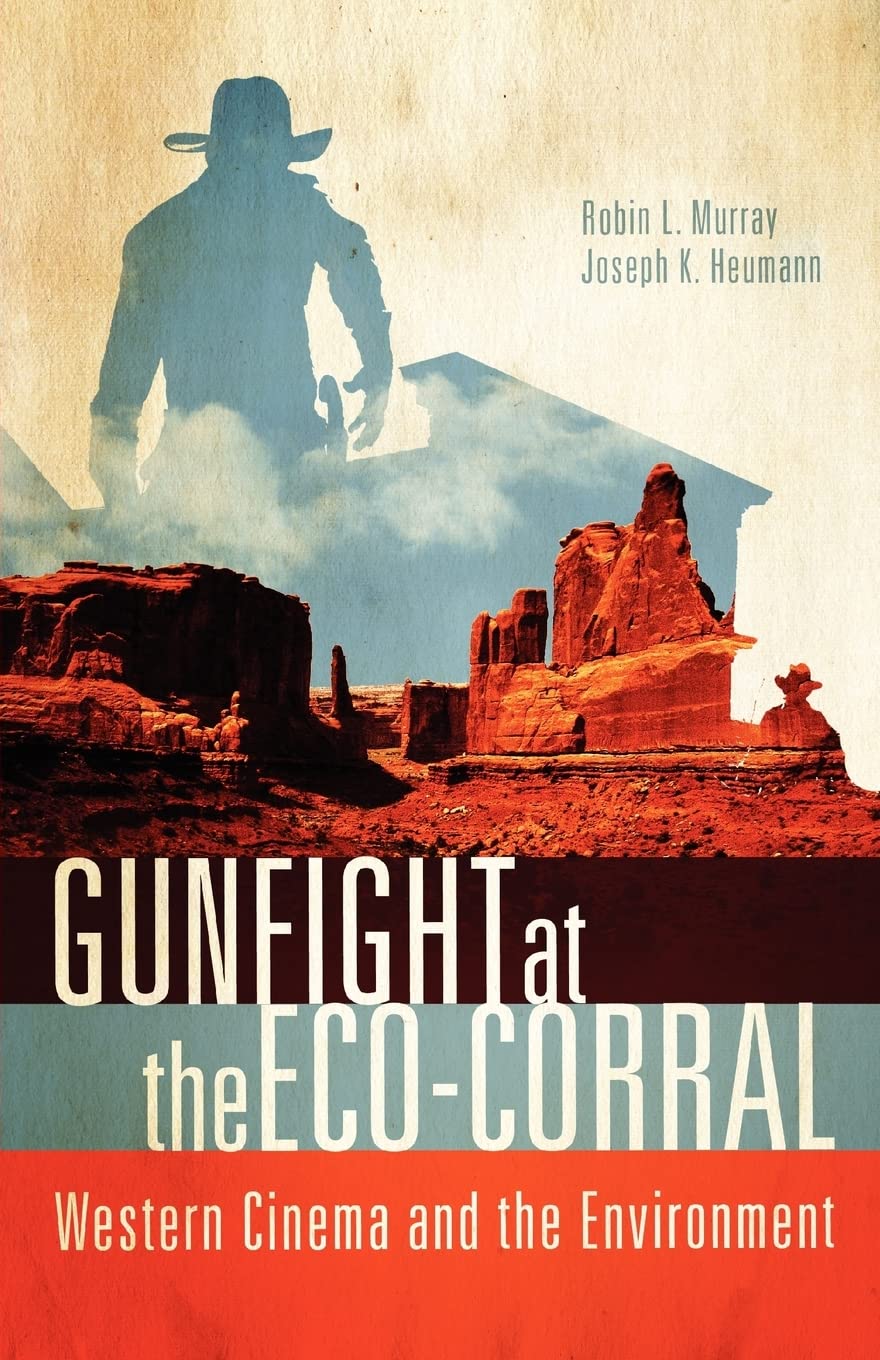
Gunfight At The Ecocorral: Western Cinema And The Environment,New
Sold by Ergodebooks, an authorized reseller.
Returns accepted within 30 days | support@ergodebooks.com
Shipping Information
- Free Standard Shipping — United States only
- Processing Time: 3–5 business days
- Estimated Delivery: 6–10 business days after dispatch
- Double-boxed, fully insured & discreetly packaged
- Tracking number sent via email once dispatched
Returns & Refund
Returns accepted within 30 days of delivery.
Damaged or Defective Item
Free return shipping + replacement or full refund
Wrong Item Received
Free return shipping + replacement or full refund
Change of Mind
Return shipping at customer's expense · 25% restocking fee applies
Payment Option

Most film critics point to classic conflictsgood versus evil, right versus wrong, civilization versus savageryas defining themes of the American Western. In this provocative examination of Westerns from Tumbleweeds (1925) to Rango (2011), Robin L. Murray and Joseph K. Heumann argue for a more expansive view that moves beyond traditional conflicts to encompass environmental themes and struggles. The environment, after all, is the fundamental stage for most western stories, from land rush dramas that pit sod busters against ranchers to conflicts between miningtown communities and corporations. Because environmental issues lie at the forefront of so many conflicts today, Murray and Heumann believe that the Western is ripe for such new examination.Drawing on perspectives from both film studies and environmental history, the authors show how western films frequently deal with issues related to land use and different ways of looking at the natural world. In films as diverse as Gene Autry musicals, early John Wayne BWesterns, and revisionist critiques such as the 2010 remake of True Grit, resources are exploited in the name of progress. Beginning with an analysis of two iconic Westerns, Shane and The Searchers, Murray and Heumann identify the environmental dichotomiespreviously overlooked by criticsthat are broached in both films, and they clarify the history that lies behind the environmental debates in these films and many others.How do Westerns respond to the historical contexts they present? And what do those responses suggest about American views of nature and its exploitation? The conflicts these movies address grow out of differing views of progress, frequently in relation to technology. The authors show that such binary oppositions tend to blur when examined closely, demonstrating that environmental issues are often more complex than we realize.
⚠️ WARNING (California Proposition 65):
This product may contain chemicals known to the State of California to cause cancer, birth defects, or other reproductive harm.
For more information, please visit www.P65Warnings.ca.gov.