
Title
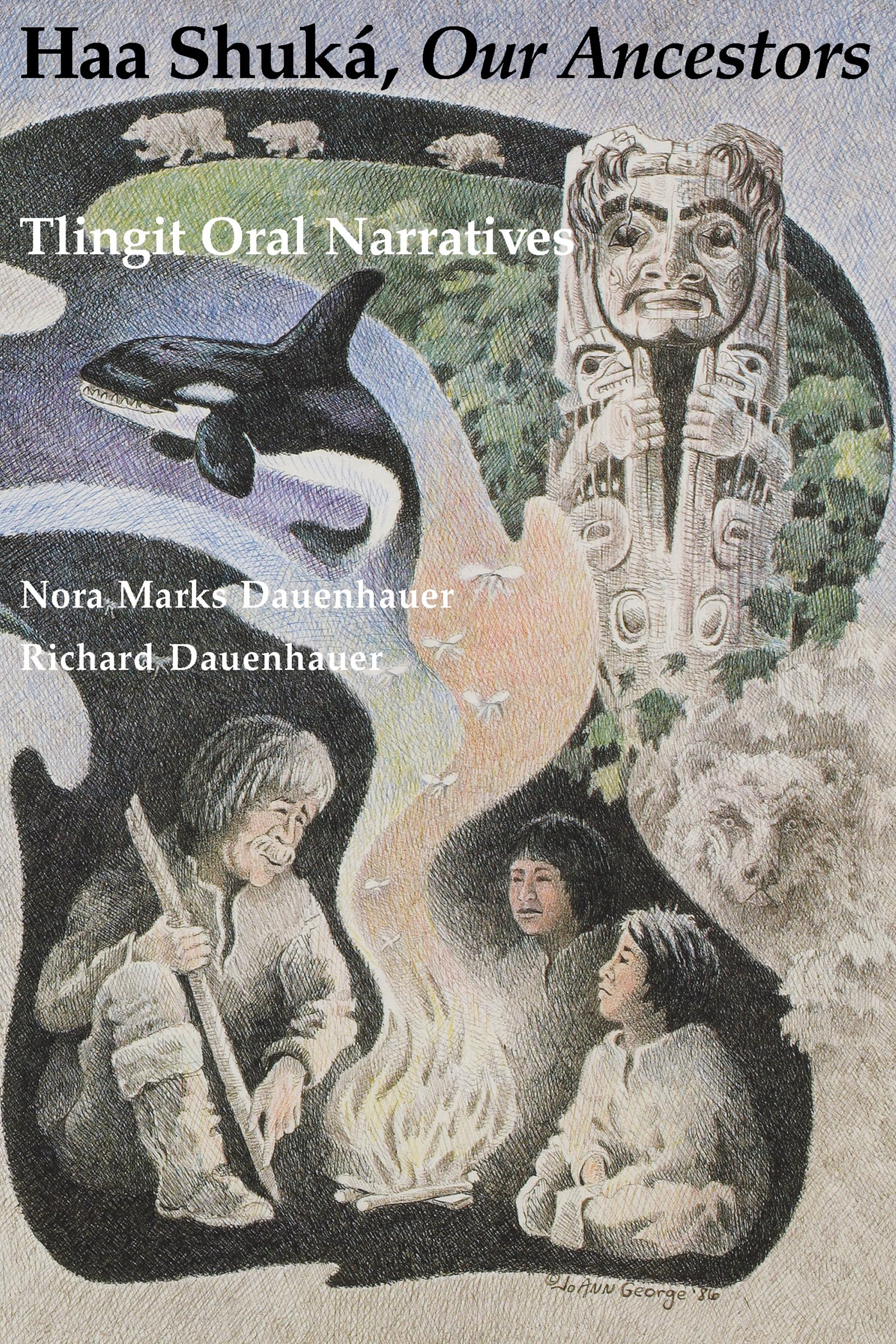
Haa Shuk, Our Ancestors: Tlingit Oral Narratives (Classics of Tlingit Oral Literature),Used
Sold by Ergodebooks, an authorized reseller.
Returns accepted within 30 days | support@ergodebooks.com
Shipping Information
- Free Standard Shipping — United States only
- Processing Time: 3–5 business days
- Estimated Delivery: 6–10 business days after dispatch
- Double-boxed, fully insured & discreetly packaged
- Tracking number sent via email once dispatched
Returns & Refund
Returns accepted within 30 days of delivery.
Damaged or Defective Item
Free return shipping + replacement or full refund
Wrong Item Received
Free return shipping + replacement or full refund
Change of Mind
Return shipping at customer's expense · 25% restocking fee applies
Payment Option

These gripping and powerful prose narratives relate monumental events in the lives of the forebears of Tlingit clans, from the prehistoric migration to the coast of Southeast Alaska to the first contact with Europeans. The stories were recorded from the 1960s to the present by twelve tradition bearers who where passing down for future generations the accounts of haa shuka, which means 'our ancestors.' Their narratives tell of the origin of social and spiritual concepts and explain the complex relationships among members of a given clan to their relatives in other clans, to spirits of the land where the vents took place, to the spirits of departed ancestors, and to the spirits of various animals, including killer whale and bear.The focus here is on the stories and story tellers themselves, who lived amazingly different lives, reflecting in a small way the complexity of Tlingit life in the twentieth century, a period characterized by unprecedented political, economic, and social change. The stories were told in Tlingit and then transcribed from the tape recorded versions. The editors have attempted to write these stories the way they were told, and to then translate them into English keeping the unique Tlingit oral style.This book will be of interest to the general reader of Native American literature and comparative literature, as well as to folklorists, linguists, and anthropologists. Of special interest to linguist will be the new texts (transcribed in three different Tlingit dialects) containing many hitherto unattested grammatical forms.
⚠️ WARNING (California Proposition 65):
This product may contain chemicals known to the State of California to cause cancer, birth defects, or other reproductive harm.
For more information, please visit www.P65Warnings.ca.gov.
- Q: What is 'Haa Shuká, Our Ancestors' about? A: This book features Tlingit oral narratives that recount significant events in the lives of Tlingit clans, highlighting their history from prehistoric migrations to first contacts with Europeans.
- Q: Who are the authors of this book? A: The book is edited by Nora Marks Dauenhauer, who has compiled stories from twelve tradition bearers of the Tlingit culture.
- Q: What is the format of the book? A: The book is available in paperback format and consists of 532 pages.
- Q: When was 'Haa Shuká, Our Ancestors' published? A: The book was published on July 1, 1987.
- Q: What can readers learn from this book? A: Readers can gain insights into Tlingit social and spiritual concepts, the complexities of clan relationships, and the historical context of the Tlingit community.
- Q: Is this book suitable for academic study? A: Yes, it is valuable for folklorists, linguists, anthropologists, and anyone interested in Native American literature and comparative studies.
- Q: What languages are the stories presented in? A: The narratives are told in Tlingit and transcribed into English, maintaining the unique oral style of the language.
- Q: Are there any specific dialects included in the book? A: Yes, the book contains texts transcribed in three different Tlingit dialects.
- Q: What type of storytelling style is used in the book? A: The editors have aimed to preserve the oral storytelling style as closely as possible in the English translations.
- Q: Is the book considered a new release? A: No, it is a reprint of the original publication from 1987 and is categorized as 'New' in terms of condition.