
Title
Hades: The History, Origins and Evolution of the Greek God,Used
Processing time: 1-3 days
US Orders Ships in: 3-5 days
International Orders Ships in: 8-12 days
Return Policy: 15-days return on defective items
Payment Option

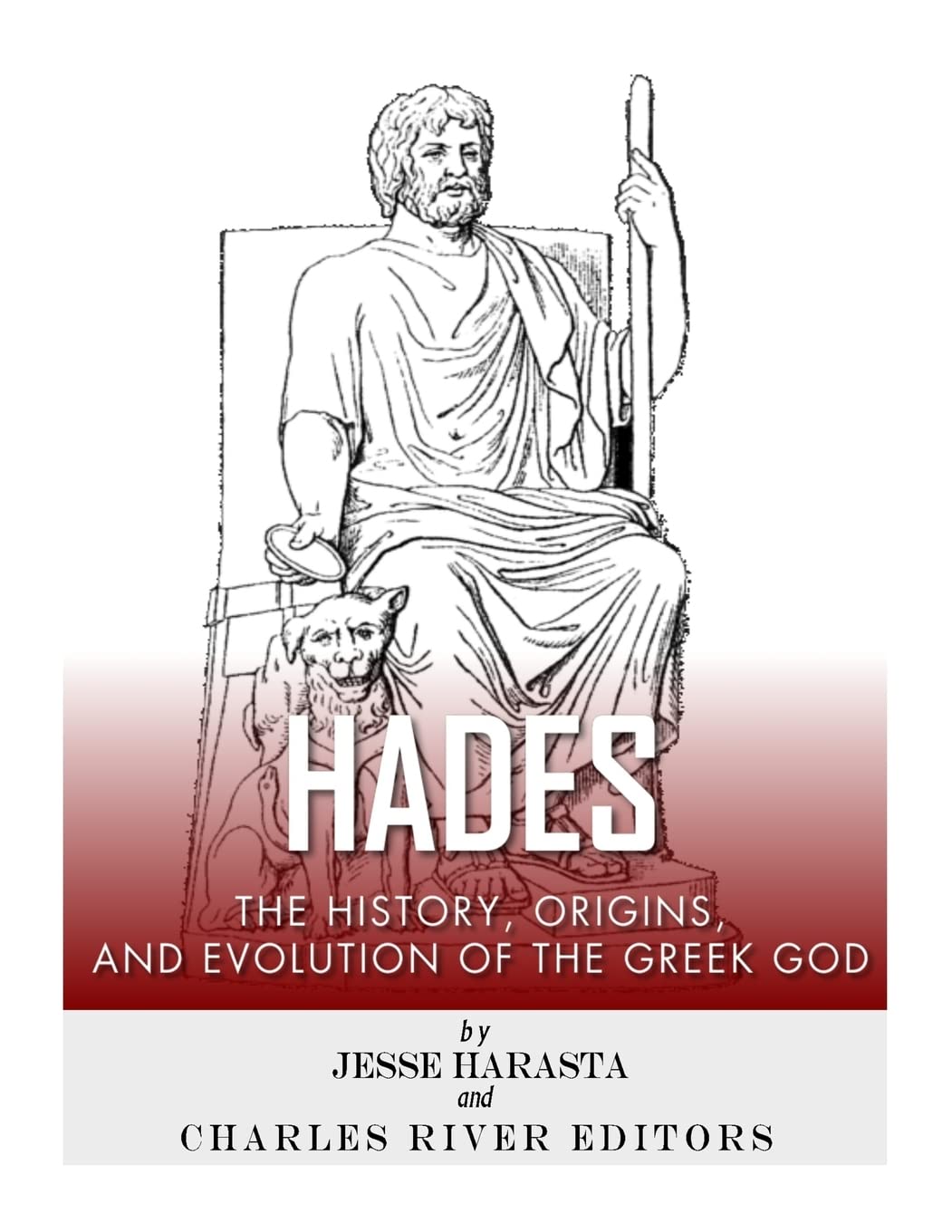
*Includes pictures of historic art depicting Hades and other Greek gods.*Explains the historical origins of the god and the mythological tales about him.The gloomy Hades enriches himself with our sighs and our tears! SophoclesThe Greek god Hades is something of an enigma. On the one hand, people can view him through the lens that was a byproduct of the Christian tradition, as a terrifying lord of death seated upon his ebony throne, an unseen force of power moving through the world. Certainly, many of the Ancient Greeks themselves saw the god in this light, whispering his name and making sacrifices of black sheep on dark nights and allowing the blood to trickle down into the earth to reach the underworld. On the other hand, there is a parallel Greek tradition that depicts Hades as a regal god and more of a dark parallel to his brother Zeus, who bears the same icons of sovereignty and may have some deep link to him in a primordial sense.The name 'Hades' literally means 'Unseen', but the Greeks had a superstitious fear of calling Hades by his proper name and thus created numerous ways of referring to the god. For instance, 'Euboleus' means 'Giver of Good Counsel,' and 'Polydectes' meant 'he who receives many,' 'Stygeros' means 'hateful one,' and 'Polydegmon' meant either 'grey man' or 'hospitable one.' The most popular name was 'Plouton' which means 'wealthgiver' and referred to Hades' role in guarding the treasures of the earth. That name was eventually adopted and altered by the Romans to become their god 'Pluto.' Other names used for the god included Aidoneus, Ais, Clymenus and Pylartes.Given his importance as the lord of the underworld, Hades was a constant presence in Greek life, and descriptions of him, the river Styx, and his threeheaded dog Cerberus are all instantly familiar to anyone who has read Greek mythology. At the same time, how did the Greeks attempt to appease Hades? Of particular importance was the division between Olympian gods, gods of the sky and of life, and Chthonic gods, gods of the earth and of death. While Hades was perhaps the best known of the Chthonic gods, the tradition of chthonic deities was much older and broader than him, so its also useful to compare him to similar deities in other cultures pantheons.This book explores the figure of Hades, including his origins, the stories told about him, the way he was worshiped and how he is remembered today. Along with pictures and a bibliography, you will learn about the Greek god like you never have before, in no time at all.
⚠️ WARNING (California Proposition 65):
This product may contain chemicals known to the State of California to cause cancer, birth defects, or other reproductive harm.
For more information, please visit www.P65Warnings.ca.gov.