
Title
Hamlet And Narcissus,Used
Sold by Ergodebooks, an authorized reseller.
Returns accepted within 30 days | support@ergodebooks.com
Shipping Information
- Free Standard Shipping — United States only
- Processing Time: 3–5 business days
- Estimated Delivery: 6–10 business days after dispatch
- Double-boxed, fully insured & discreetly packaged
- Tracking number sent via email once dispatched
Returns & Refund
Returns accepted within 30 days of delivery.
Damaged or Defective Item
Free return shipping + replacement or full refund
Wrong Item Received
Free return shipping + replacement or full refund
Change of Mind
Return shipping at customer's expense · 25% restocking fee applies
Payment Option

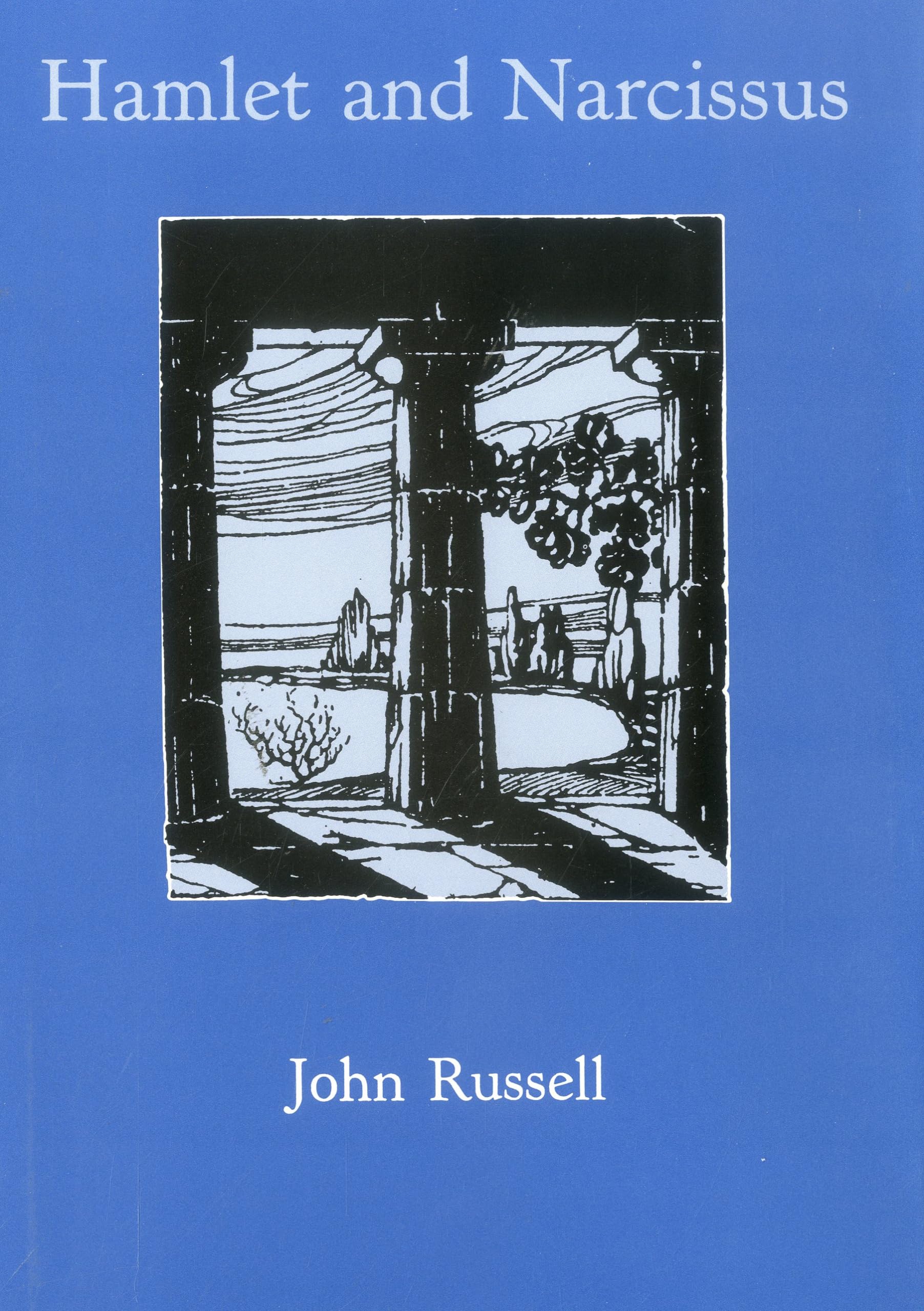
Since Ernest Jones published Hamlet and Oedipus in 1949, psychoanalytic thinking has changed profoundly. This change, however, has not yet been adequately reflected in Shakespeare scholarship. In Hamlet and Narcissus, John Russell confronts the paradigm shift that has occurred in psychoanalysis and takes steps to formulate a critical instrument based on current psychoanalytic thinking. In his introduction, Russell clarifies Freud's assumptions concerning human motivation and development and then discusses, as representative of the new psychoanalytic paradigm, Margaret Mahler's theory of infant development and Heinz Kohut's theory of narcissism. Using these theories as his conceptual framework, Russell proceeds to analyze the action of Hamlet, focusing on the play's central problem, Hamlet's delay.Previous psychoanalytic approaches to Hamlet have failed convincingly to explain the cause of Hamlet's delay because they failed to recognize the profound connection between Hamlet's preOedipal attachment to his mother and his postOedipal allegiance to his father. By placing Hamlet's conflict with his parents in the new psychoanalytic framework of narcissism, Russell is able to show that Hamlet's postOedipal allegiance to his father and his preOedipal attachment to his mother are driven by the same archaic and illusory needs. Though on the surface seeming to contradict one another, at bottom Hamlet's two attachments, to mother and to father, complement one another and work together to produce in Hamlet a conflicted ambivalence that propels him to his selfinduced destruction. By clarifying the origin and effects of Hamlet's archaic narcissism, Russell is able to solve the problem of Hamlet's delay and forge a new and fruitful instrument of literary criticism.
⚠️ WARNING (California Proposition 65):
This product may contain chemicals known to the State of California to cause cancer, birth defects, or other reproductive harm.
For more information, please visit www.P65Warnings.ca.gov.