
Title
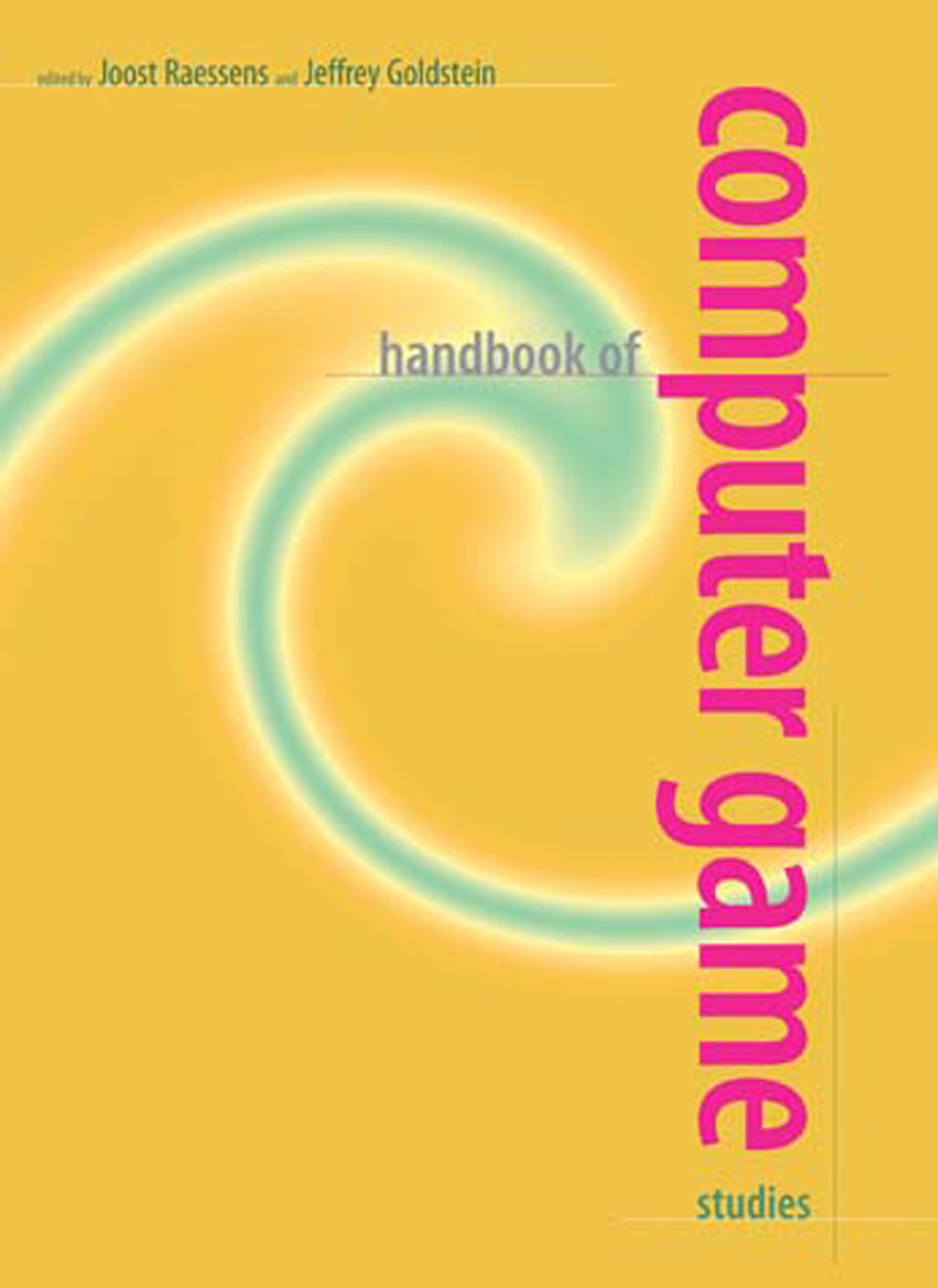
Handbook of Computer Game Studies,Used
Sold by Ergodebooks, an authorized reseller.
Returns accepted within 30 days | support@ergodebooks.com
Shipping Information
- Free Standard Shipping — United States only
- Processing Time: 3–5 business days
- Estimated Delivery: 6–10 business days after dispatch
- Double-boxed, fully insured & discreetly packaged
- Tracking number sent via email once dispatched
Returns & Refund
Returns accepted within 30 days of delivery.
Damaged or Defective Item
Free return shipping + replacement or full refund
Wrong Item Received
Free return shipping + replacement or full refund
Change of Mind
Return shipping at customer's expense · 25% restocking fee applies
Payment Option

A broad treatment of computer and video games from a wide range of perspectives, including cognitive science and artificial intelligence, psychology, history, film and theater, cultural studies, and philosophy.New media students, teachers, and professionals have long needed a comprehensive scholarly treatment of digital games that deals with the history, design, reception, and aesthetics of games along with their social and cultural context. The Handbook of Computer Game Studies fills this need with a definitive look at the subject from a broad range of perspectives. Contributors come from cognitive science and artificial intelligence, developmental, social, and clinical psychology, history, film, theater, and literary studies, cultural studies, and philosophy as well as game design and development. The text includes both scholarly articles and journalism from such wellknown voices as Douglas Rushkoff, Sherry Turkle, Henry Jenkins, Katie Salen, Eric Zimmerman, and others.Part I considers the "prehistory" of computer games (including slot machines and pinball machines), the development of computer games themselves, and the future of mobile gaming. The chapters in part II describe game development from the designer's point of view, including the design of play elements, an analysis of screenwriting, and gamebased learning. Part III reviews empirical research on the psychological effects of computer games, and includes a discussion of the use of computer games in clinical and educational settings. Part IV considers the aesthetics of games in comparison to film and literature, and part V discusses the effect of computer games on cultural identity, including gender and ethnicity. Finally, part VI looks at the relation of computer games to social behavior, considering, among other matters, the inadequacy of laboratory experiments linking games and aggression and the different modes of participation in computer game culture.
⚠️ WARNING (California Proposition 65):
This product may contain chemicals known to the State of California to cause cancer, birth defects, or other reproductive harm.
For more information, please visit www.P65Warnings.ca.gov.