
Title
Hannah Arendt and the Law (Law and Practical Reason),Used
Sold by Ergodebooks, an authorized reseller.
Returns accepted within 30 days | support@ergodebooks.com
Shipping Information
- Free Standard Shipping — United States only
- Processing Time: 3–5 business days
- Estimated Delivery: 6–10 business days after dispatch
- Double-boxed, fully insured & discreetly packaged
- Tracking number sent via email once dispatched
Returns & Refund
Returns accepted within 30 days of delivery.
Damaged or Defective Item
Free return shipping + replacement or full refund
Wrong Item Received
Free return shipping + replacement or full refund
Change of Mind
Return shipping at customer's expense · 25% restocking fee applies
Payment Option

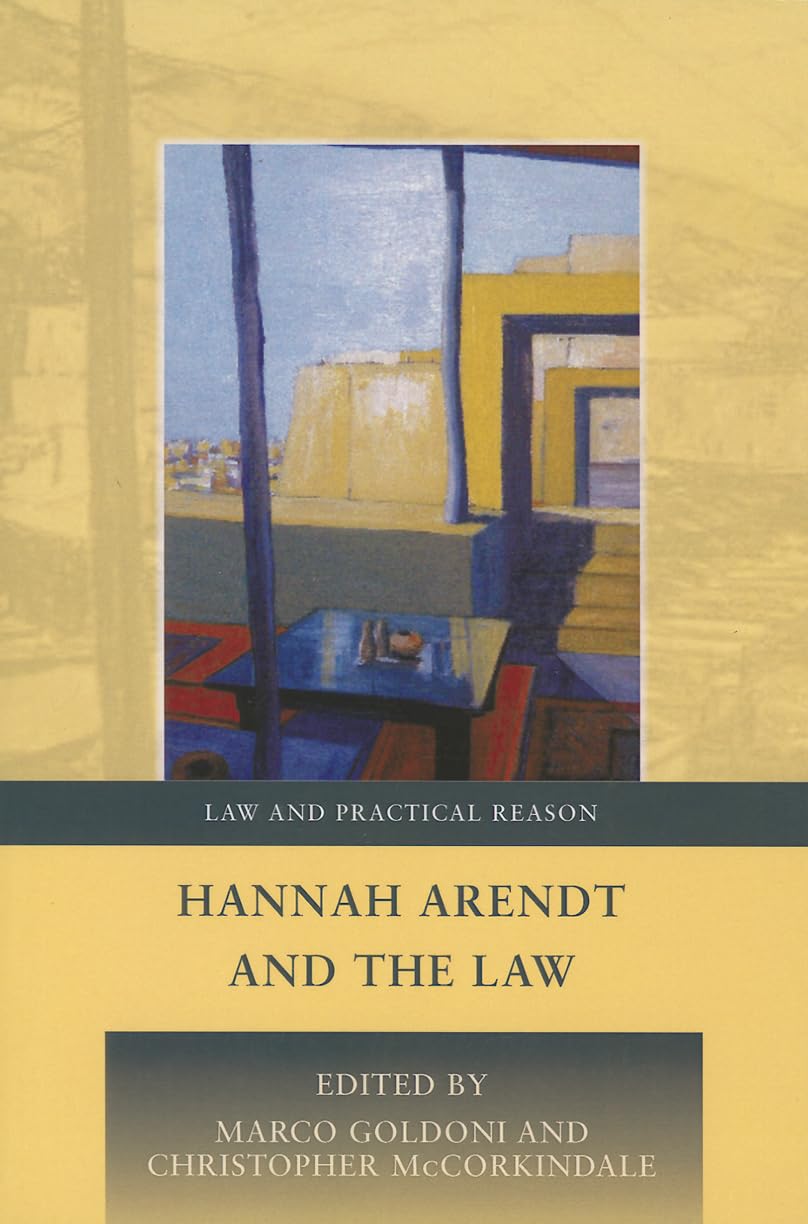
This book fills a major gap in the everincreasing secondary literature on Hannah Arendt's political thought by providing a dedicated and coherent treatment of the many, various and interesting things which Arendt had to say about law. Often obscured by more pressing or more controversial aspects of her work, Arendt nonetheless had interesting insights into Greek and Roman concepts of law, human rights, constitutional design, legislation, sovereignty, international tribunals, judicial review and much more. This book retrieves these aspects of her legal philosophy for the attention of both Arendt scholars and lawyers alike. The book brings together lawyers as well as Arendt scholars drawn from a range of disciplines (philosophy, political science, international relations), who have engaged in an internal debate the dynamism of which is captured in print. Following the editors' introduction, the book is split into four Parts: Part I explores the concept of law in Arendt's thought; Part II explores legal aspects of Arendt's constitutional thought: first locating Arendt in the wider tradition of republican constitutionalism, before turning attention to the role of courts and the role of parliament in her constitutional design. In Part III Arendt's thought on international law is explored from a variety of perspectives, covering international institutions and international criminal law, as well as the theoretical foundations of international law. Part IV debates the foundations, content and meaning of Arendt's famous and influential claim that the 'right to have rights' is the one true human right.
⚠️ WARNING (California Proposition 65):
This product may contain chemicals known to the State of California to cause cancer, birth defects, or other reproductive harm.
For more information, please visit www.P65Warnings.ca.gov.