
Title
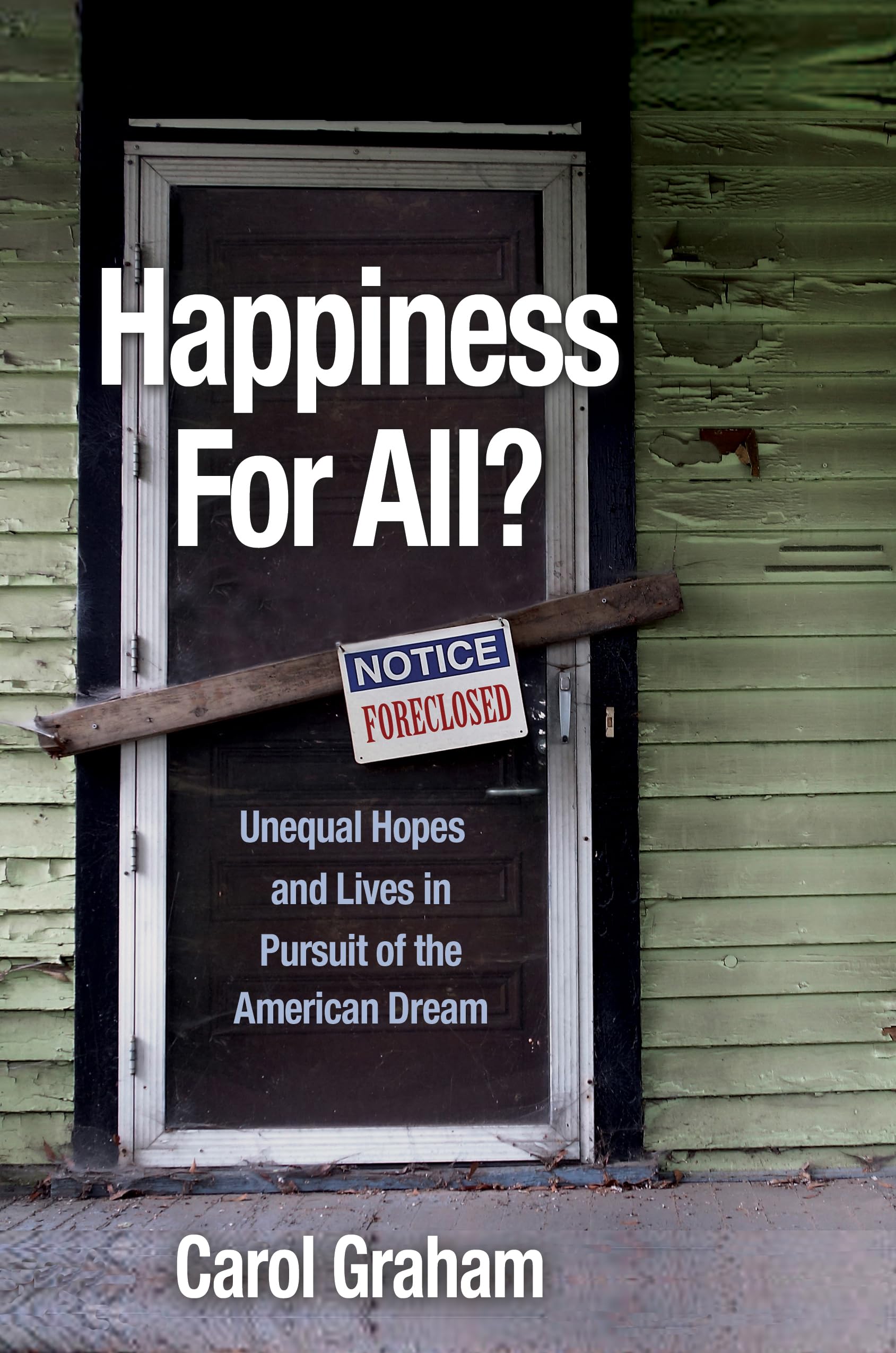
Happiness for All?: Unequal Hopes and Lives in Pursuit of the American Dream,Used
Sold by Ergodebooks, an authorized reseller.
Returns accepted within 30 days | support@ergodebooks.com
Shipping Information
- Free Standard Shipping — United States only
- Processing Time: 3–5 business days
- Estimated Delivery: 6–10 business days after dispatch
- Double-boxed, fully insured & discreetly packaged
- Tracking number sent via email once dispatched
Returns & Refund
Returns accepted within 30 days of delivery.
Damaged or Defective Item
Free return shipping + replacement or full refund
Wrong Item Received
Free return shipping + replacement or full refund
Change of Mind
Return shipping at customer's expense · 25% restocking fee applies
Payment Option

How the optimism gap between rich and poor is creating an increasingly divided societyThe Declaration of Independence states that all people are endowed with certain unalienable rights, and that among these is the pursuit of happiness. But is happiness available equally to everyone in America today? How about elsewhere in the world? Carol Graham draws on cuttingedge research linking income inequality with wellbeing to show how the widening prosperity gap has led to rising inequality in people's beliefs, hopes, and aspirations.For the United States and other developed countries, the high costs of being poor are most evident not in material deprivation but rather in stress, insecurity, and lack of hope. The result is an optimism gap between rich and poor that, if left unchecked, could lead to an increasingly divided society. Graham reveals how people who do not believe in their own futures are unlikely to invest in them, and how the consequences can range from job instability and poor education to greater mortality rates, failed marriages, and higher rates of incarceration. She describes how the optimism gap is reflected in the very words people usethe wealthy use words that reflect knowledge acquisition and healthy behaviors, while the words of the poor reflect desperation, shortterm outlooks, and patchwork solutions. She also explains why the least optimistic people in America are poor whites, not poor blacks or Hispanics.Happiness for All? highlights the importance of wellbeing measures in identifying and monitoring trends in life satisfaction and optimismand misery and despairand demonstrates how hope and happiness can lead to improved economic outcomes.
⚠️ WARNING (California Proposition 65):
This product may contain chemicals known to the State of California to cause cancer, birth defects, or other reproductive harm.
For more information, please visit www.P65Warnings.ca.gov.