
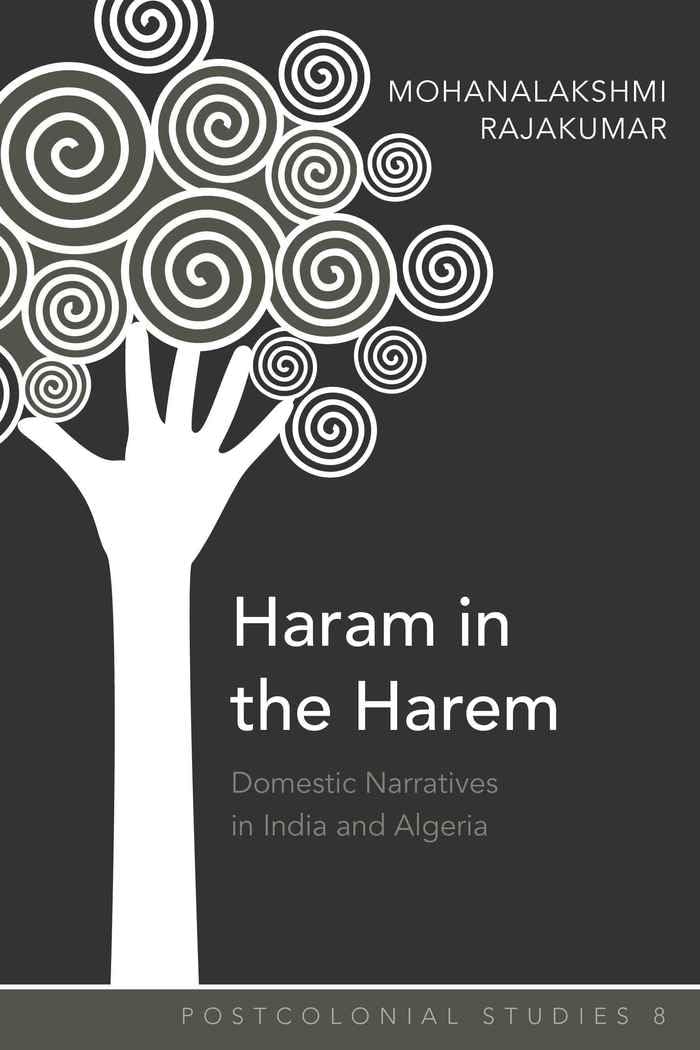
Title
Haram in the Harem: Domestic Narratives in India and Algeria (Postcolonial Studies),Used
Sold by Ergodebooks, an authorized reseller.
Returns accepted within 30 days | support@ergodebooks.com
Shipping Information
- Free Standard Shipping — United States only
- Processing Time: 3–5 business days
- Estimated Delivery: 6–10 business days after dispatch
- Double-boxed, fully insured & discreetly packaged
- Tracking number sent via email once dispatched
Returns & Refund
Returns accepted within 30 days of delivery.
Damaged or Defective Item
Free return shipping + replacement or full refund
Wrong Item Received
Free return shipping + replacement or full refund
Change of Mind
Return shipping at customer's expense · 25% restocking fee applies
Payment Option

Haram in the Harem focuses on the differences in nationalist discourse regarding women and the way female writers conceptualized the experience of women in three contexts: the middleclass Muslim reform movement, the Algerian Revolution, and the Partition of India. During each of these periods the subject of women, their behavior, bodies, and dress were discussed by male scholars, politicians, and revolutionaries. The resonating theme amongst these disparate events is that women were believed to be best protected when they were ensconced within their homes and governed by their families, particularly male authority, whether they were fathers, brothers, or husbands. The threat to national identity was often linked to the preservation of womanly purity. Yet for the writers of this study, Ismat Chughtai (19151991), Assia Djebar (1936), and Khadija Mastur (19271982), the danger to women was not in the public sphere but embedded within a domestic hierarchy enforced by male privilege. In their fictional texts, each writer shows how women resist, subvert, and challenge the normative behaviors prescribed in masculine discourse. In their writings they highlight the different ways women negotiated private spaces between intersecting masculine hegemonies of power including colonialism and native patriarchy. They demonstrate distinct literary viewpoints of nation, home, and womens experiences at particular historical moments. The choice of these various texts reveals how fiction provided a safe space for female writers to contest traditional systems of power. Bringing into focus the voices and experiences of women who existed as limited cultural icons in the nationalist discourse is a common theme throughout the selected stories. This book showcases the fluidity of literature as a response to the intersections of gender, race, and nation.
⚠️ WARNING (California Proposition 65):
This product may contain chemicals known to the State of California to cause cancer, birth defects, or other reproductive harm.
For more information, please visit www.P65Warnings.ca.gov.