
Title
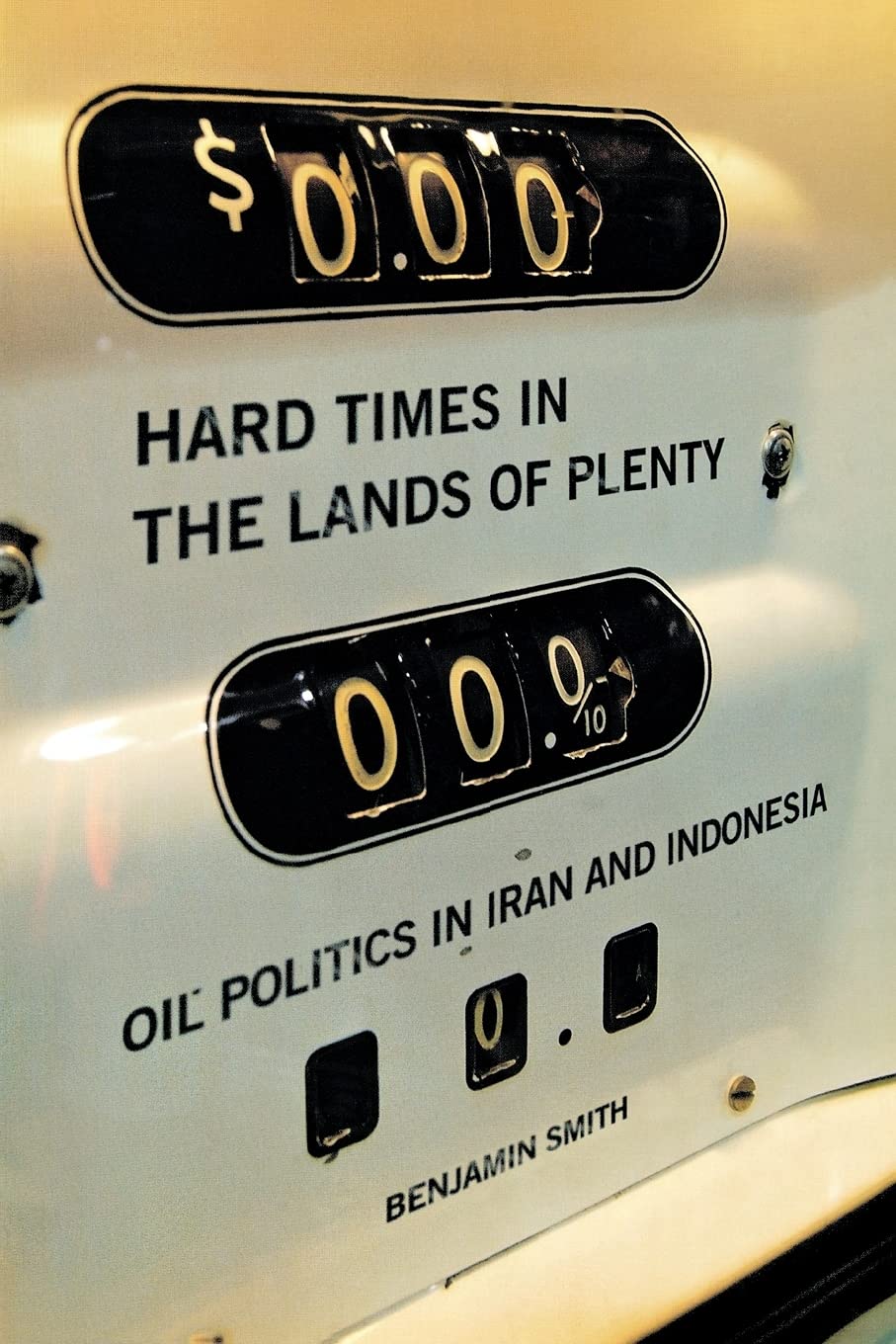
Hard Times in the Lands of Plenty: Oil Politics in Iran and Indonesia,New
Sold by Ergodebooks, an authorized reseller.
Returns accepted within 30 days | support@ergodebooks.com
Shipping Information
- Free Standard Shipping — United States only
- Processing Time: 3–5 business days
- Estimated Delivery: 6–10 business days after dispatch
- Double-boxed, fully insured & discreetly packaged
- Tracking number sent via email once dispatched
Returns & Refund
Returns accepted within 30 days of delivery.
Damaged or Defective Item
Free return shipping + replacement or full refund
Wrong Item Received
Free return shipping + replacement or full refund
Change of Mind
Return shipping at customer's expense · 25% restocking fee applies
Payment Option

That natural resources can be a curse as well as a blessing is almost a truism in political analysis. In many latedeveloping countries, the 'resource curse' theory predicts, the exploitation of valuable resources will not result in stable, prosperous states but rather in their opposite. Petroleum deposits, for example, may generate so much income that rulers will have little need to establish efficient, taxextracting bureaucracies, leading to shallow, poorly functioning administrations that remain at the mercy of the world market for oil. Alternatively, resources may be geographically concentrated, thereby intensifying regional, ethnic, or other divisive tensions.In Hard Times in the Land of Plenty, Benjamin Smith deciphers the paradox of the resource curse and questions its inevitability through an innovative comparison of the experiences of Iran and Indonesia. These two populous, oilrich countries saw profoundly different changes in their fortunes in the period 19601980. Focusing on the roles of state actors and organized opposition in using oil revenues, Smith finds that the effects of oil wealth on politics and on regime durability vary according to the circumstances under which oil exports became a major part of a country's economy. The presence of natural resources is, he argues, a political opportunity rather than simply a structural variable. Drawing on extensive primary research in Iran and Indonesia and quantitative research on nineteen other oilrich developing countries, Smith challenges us to reconsider resource wealth in latedeveloping countries, not as a simple curse or blessing, but instead as a tremendously flexible source of both political resources and potential complications.
⚠️ WARNING (California Proposition 65):
This product may contain chemicals known to the State of California to cause cancer, birth defects, or other reproductive harm.
For more information, please visit www.P65Warnings.ca.gov.