
Title
Harmonious Triads: Physicists, Musicians, And Instrument Makers In Nineteenthcentury Germany (Transformations: Studies In The H
Sold by Ergodebooks, an authorized reseller.
Returns accepted within 30 days | support@ergodebooks.com
Shipping Information
- Free Standard Shipping — United States only
- Processing Time: 3–5 business days
- Estimated Delivery: 6–10 business days after dispatch
- Double-boxed, fully insured & discreetly packaged
- Tracking number sent via email once dispatched
Returns & Refund
Returns accepted within 30 days of delivery.
Damaged or Defective Item
Free return shipping + replacement or full refund
Wrong Item Received
Free return shipping + replacement or full refund
Change of Mind
Return shipping at customer's expense · 25% restocking fee applies
Payment Option

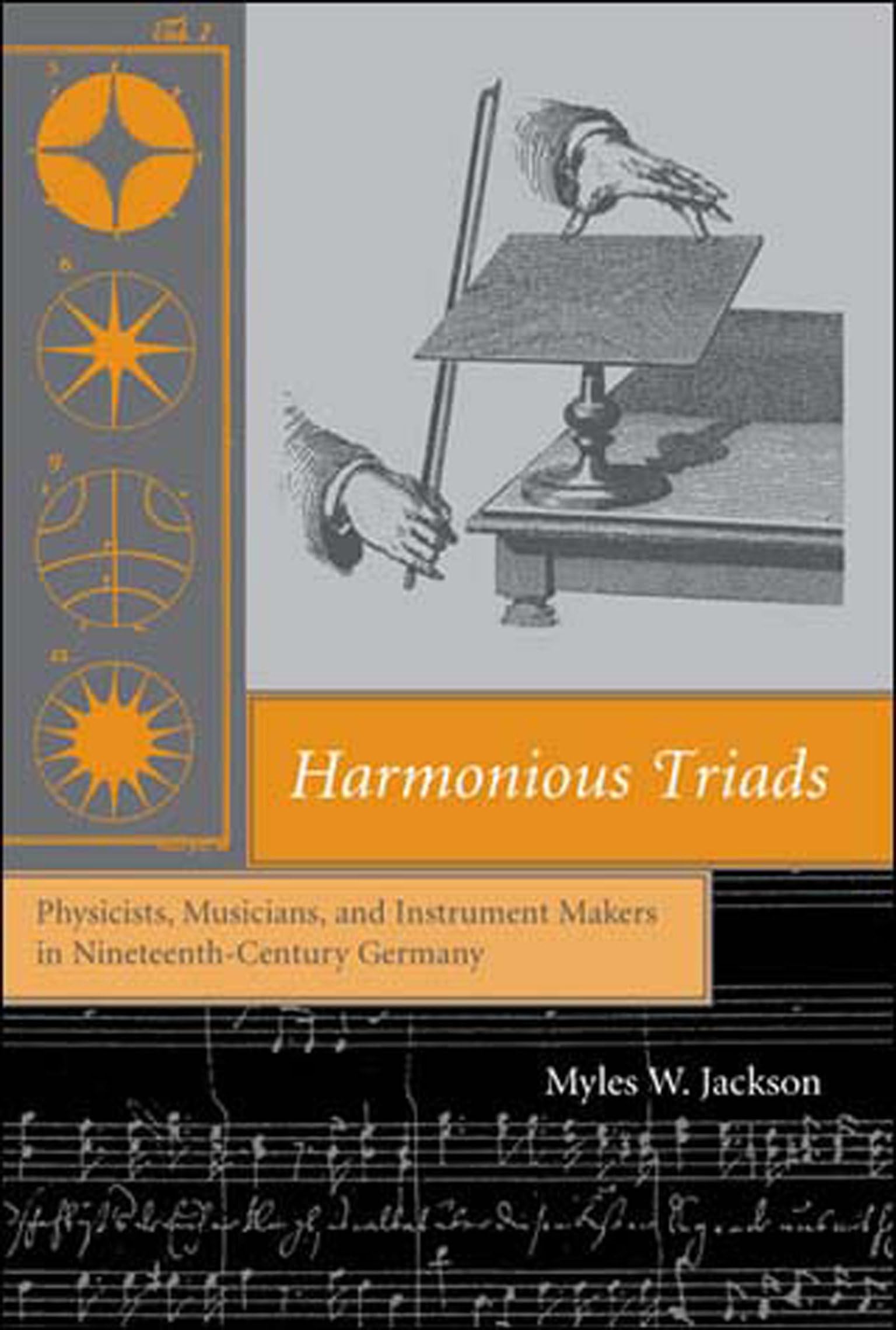
Historically, Music Was Long Classified As Both Art And Science. Aspects Of Musicfrom The Mathematics Of Tuning To The Music Of The Celestial Sphereswere Primarily Studied As Science Until The Seventeenth Century. In The Nineteenth Century, Although Scientists Were Less Interested In The Music Of The Spheres Than The Natural Philosophers Of Earlier Centuries, They Remained Committed To Understanding The World Of Performing Musicians And Their Instruments. In Harmonious Triads, Myles Jackson Analyzes The Relationship Of Physicists, Musicians, And Instrument Makers In Nineteenthcentury Germany. Musical Instruments Provided Physicists With Experimental Systems, And Physicists' Research Led Directly To Improvements In Musicalinstrument Manufacture And Assisted Musicians In Their Performances. Music Also Provided Scientists With A Cultural Resource, Which Forged Acquaintances And Future Collaborations. Jackson Discusses Experiments In Acoustical Vibrations That Led To The Invention Of Musical Instruments And Describes Work With Adiabatic Phenomena That Resulted In The Improvement Of The Reed Pipe, Used By Organ Builders. He Examines The Collaborations Of Physicists And Mechanicians Aimed At Standardizing Beat And Pitch And Considers Debates Stirred By The Standardization Of Aesthetic Qualities. He Describes The Importance For Scientists Of Choral Societies As A Vehicle For Social Life And Cultural Unity. Finally, He Discusses A Subject That Occupied Both Physicists And Musicians Of The Era: Could Physicists, Using The Universal Principles Of Mechanics, Explain Musical Skill? Was The Virtuosity Of A Paganini Or A Liszt Somehow Quantifiable? Jackson'S Historical Consideration Of Questions At The Intersection Of Music And Physics Shows Us How Each Discipline Helped Shape The Other.
⚠️ WARNING (California Proposition 65):
This product may contain chemicals known to the State of California to cause cancer, birth defects, or other reproductive harm.
For more information, please visit www.P65Warnings.ca.gov.
- Q: How many pages does the book have? A: The book has four hundred eight pages. This length allows for an in-depth exploration of the relationship between physicists, musicians, and instrument makers.
- Q: What is the binding type of this book? A: The book is paperback. This makes it lightweight and easy to handle for extended reading sessions.
- Q: What are the dimensions of the book? A: The book measures six inches in length, one point zero two inches in width, and nine inches in height. These dimensions make it a standard size for easy storage.
- Q: Who is the author of this book? A: The author is Myles W. W. Jackson. He provides a thorough analysis of music and physics in the nineteenth century.
- Q: What genre does this book belong to? A: The book belongs to the genre of History and Criticism. It delves into the historical context of music and science.
- Q: Is this book suitable for young readers? A: Yes, it is published by Random House Books for Young Readers. However, it may be more suitable for older students or adults due to its complex themes.
- Q: How do I use this book for research? A: You can use this book as a reference for historical studies in music and physics. It provides detailed analyses and discussions on various related topics.
- Q: Is there a specific reading level for this book? A: The book is generally aimed at a college-level audience. It contains advanced discussions that may require background knowledge in music or physics.
- Q: Can this book be used in academic settings? A: Yes, it is suitable for academic settings. Its research-based content supports coursework in history of science and technology.
- Q: How should I store this book to keep it in good condition? A: Store the book in a cool, dry place away from direct sunlight. Keeping it upright or flat will help maintain its shape and prevent wear.
- Q: What should I do if the book arrives damaged? A: If the book arrives damaged, you should contact the seller for a return or replacement. Most sellers have a policy for handling such issues.
- Q: Is there a warranty on this book? A: No, books typically do not come with a warranty. However, you can check the return policy for any purchase issues.
- Q: How do I clean the book if it gets dirty? A: To clean the book, gently wipe the cover with a dry cloth. Avoid using water or cleaners that could damage the paper.
- Q: Is there a recommended age for readers of this book? A: The book is recommended for ages sixteen and up. Its themes and discussions are tailored for a more mature audience.
- Q: How does this book compare to other books in its genre? A: This book offers a unique intersection of music and physics, distinguishing it from other works focused solely on one discipline.
- Q: What if I don't understand the scientific concepts in the book? A: If you find the scientific concepts challenging, consider referencing supplementary materials or glossaries to aid your understanding.