
Title
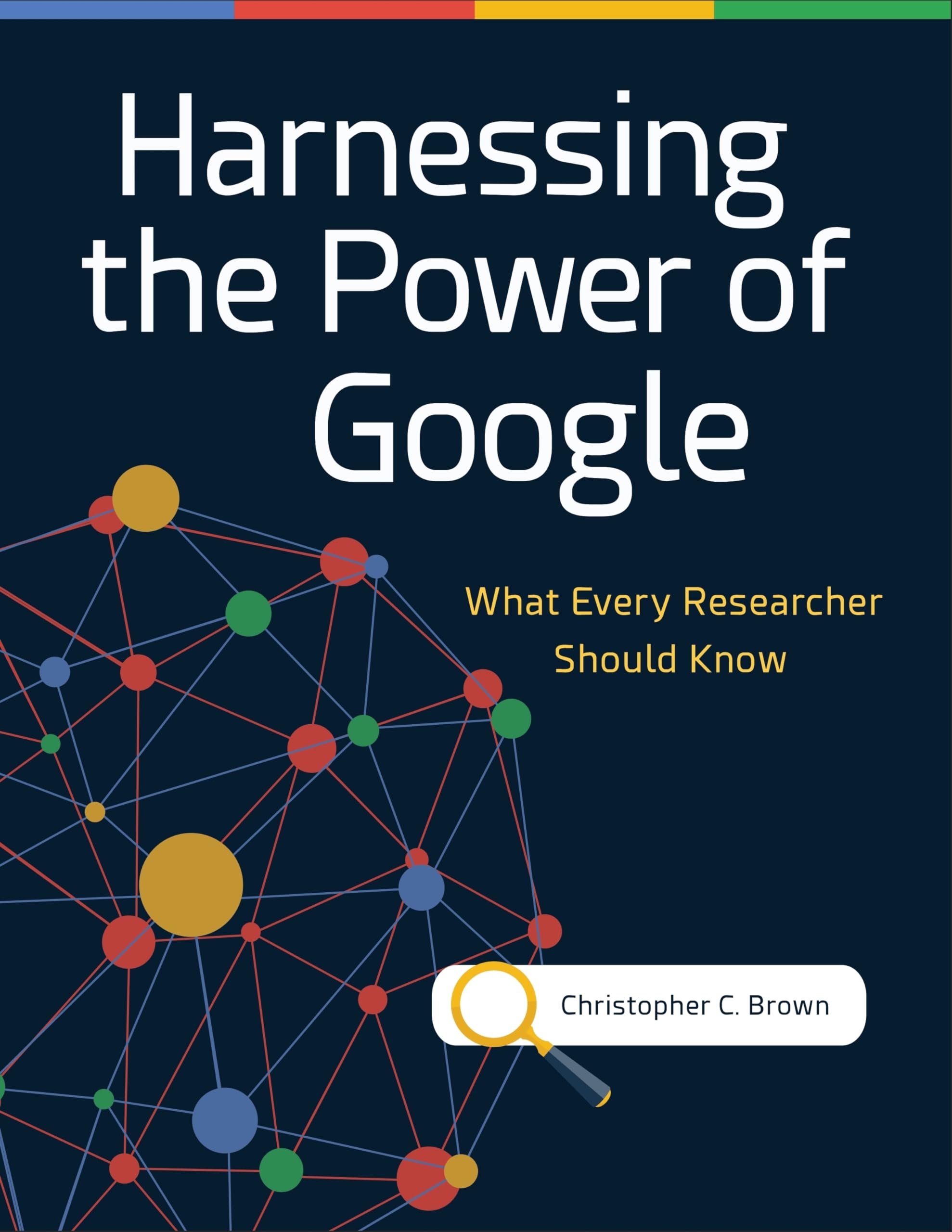
Harnessing the Power of Google: What Every Researcher Should Know,Used
Sold by Ergodebooks, an authorized reseller.
Returns accepted within 30 days | support@ergodebooks.com
Shipping Information
- Free Standard Shipping — United States only
- Processing Time: 3–5 business days
- Estimated Delivery: 6–10 business days after dispatch
- Double-boxed, fully insured & discreetly packaged
- Tracking number sent via email once dispatched
Returns & Refund
Returns accepted within 30 days of delivery.
Damaged or Defective Item
Free return shipping + replacement or full refund
Wrong Item Received
Free return shipping + replacement or full refund
Change of Mind
Return shipping at customer's expense · 25% restocking fee applies
Payment Option

This informative and practical book teaches how to get better and faster results from Internet searches and methods for maximizing the potential of the world's most popular search engine.Mastering Internet research skills is a must for today's information professionals and LIS students, as well as for educators and all high school and college students. But without specific instruction in how to conduct online research, people are destined to waste time in their Internet queries or to come up emptyhanded when the information they're seeking is, in fact, available. Harnessing the Power of Google: What Every Researcher Should Know offers simple strategies that streamline research and improve anyone's search results. It will specifically benefit information professionals, students, and academic researchers in disciplines like international studies, political science, and statistical research. Illustrated with helpful screen shots, this handbook will be an oftenconsulted desk reference and can serve as a workshop guide or supplementary reading in courses on online research skills.The book starts with a review of general guidelines for searching that covers topics like the difference between primary and secondary sources, determining authority, citing sources, indexing, and ranking before addressing Google's powersearching features, such as the ability to search by toplevel Internet domain or file type. The book describes the history of information access over the past century, culminating in today's digital information archives and how Google now augmentsnot replaceswhat libraries provide. The three Google interfaces that together comprise a powerful toolkit are covered in detail: Google Web for finding primary source materials; Google Scholar for full text searching of scholarly, peerreviewed material; and Google Books for searching the full text of a very high percentage of books.
⚠️ WARNING (California Proposition 65):
This product may contain chemicals known to the State of California to cause cancer, birth defects, or other reproductive harm.
For more information, please visit www.P65Warnings.ca.gov.