
Title
Heidegger'S Philosophy Of Science (Perspectives In Continental Philosophy),Used
Sold by Ergodebooks, an authorized reseller.
Returns accepted within 30 days | support@ergodebooks.com
Shipping Information
- Free Standard Shipping — United States only
- Processing Time: 3–5 business days
- Estimated Delivery: 6–10 business days after dispatch
- Double-boxed, fully insured & discreetly packaged
- Tracking number sent via email once dispatched
Returns & Refund
Returns accepted within 30 days of delivery.
Damaged or Defective Item
Free return shipping + replacement or full refund
Wrong Item Received
Free return shipping + replacement or full refund
Change of Mind
Return shipping at customer's expense · 25% restocking fee applies
Payment Option

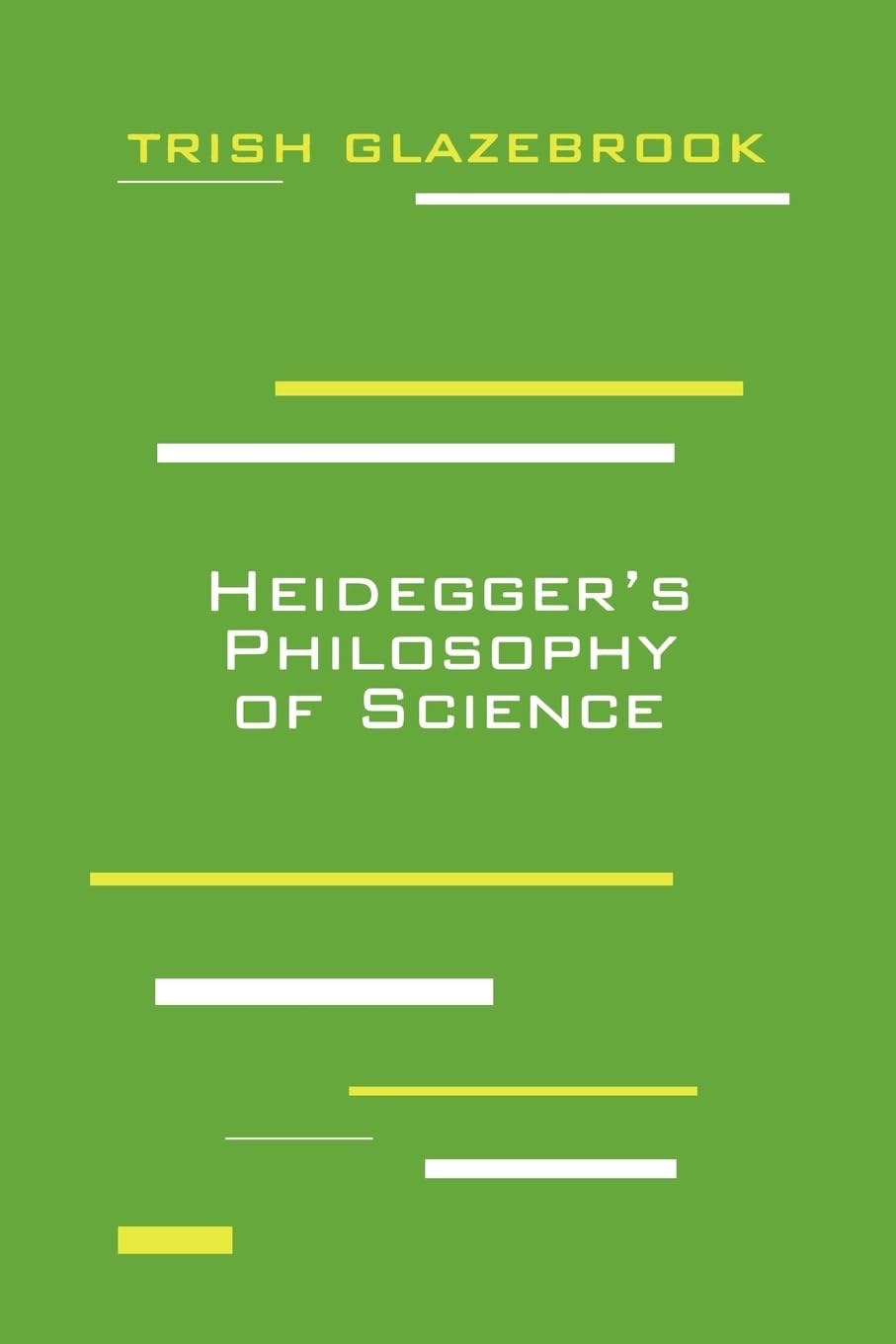
This book concerns itself with an issue that is not sufficiently addressed in the literature: Heideggers philosophy of science. Although a great deal of attention is paid to Heideggers later critique of technology, no one has systematically studied how he understood science. Many readers will be surprised to learn, through this book, that Heidegger developed the essentials of a fairly sophisticated philosophy of science, one that in many ways invites comparison with that of Thomas Kuhn.Glazebrook demonstrates that Heideggers philosophy of science is not neatly divided into early and late (or Heidegger I and Heidegger II) but is, rather, an ongoing development over at least three periods, bound together as an analysis of modern science and an uncovering of other possibilities for understanding nature.Glazebrook states in her introduction, This reading of Heidegger is radical. It cuts to the root of his thinking, for I argue that what are taken to be Heideggers many and significant contributions to philosophythat is, his overcoming of metaphysics, his rereading of the ancients, his critique of technology and representational thinking, his vision and revision of language, truth, and thinkinghave at their core an inquiry into science that drove his thinking for sixty years. I am not arguing for a new reading of a few texts, or for adjustments and refinements of existing readings of Heideggger. Rather, I am bringing to light a new basis on which to interpret his work as a whole.
⚠️ WARNING (California Proposition 65):
This product may contain chemicals known to the State of California to cause cancer, birth defects, or other reproductive harm.
For more information, please visit www.P65Warnings.ca.gov.