If you have any questions, you are always welcome to contact us. We'll get back to you as soon as possible, withing 24 hours on weekdays.
Customer service
All questions about your order, return and delivery must be sent to our customer service team by e-mail at yourstore@yourdomain.com
Sale & Press
If you are interested in selling our products, need more information about our brand or wish to make a collaboration, please contact us at press@yourdomain.com
Help
If you have any questions, you are always welcome to contact us. We'll get back to you as soon as possible, withing 24 hours on weekdays.
Customer service
All questions about your order, return and delivery must be sent to our customer service team by e-mail at yourstore@yourdomain.com
Sale & Press
If you are interested in selling our products, need more information about our brand or wish to make a collaboration, please contact us at press@yourdomain.com
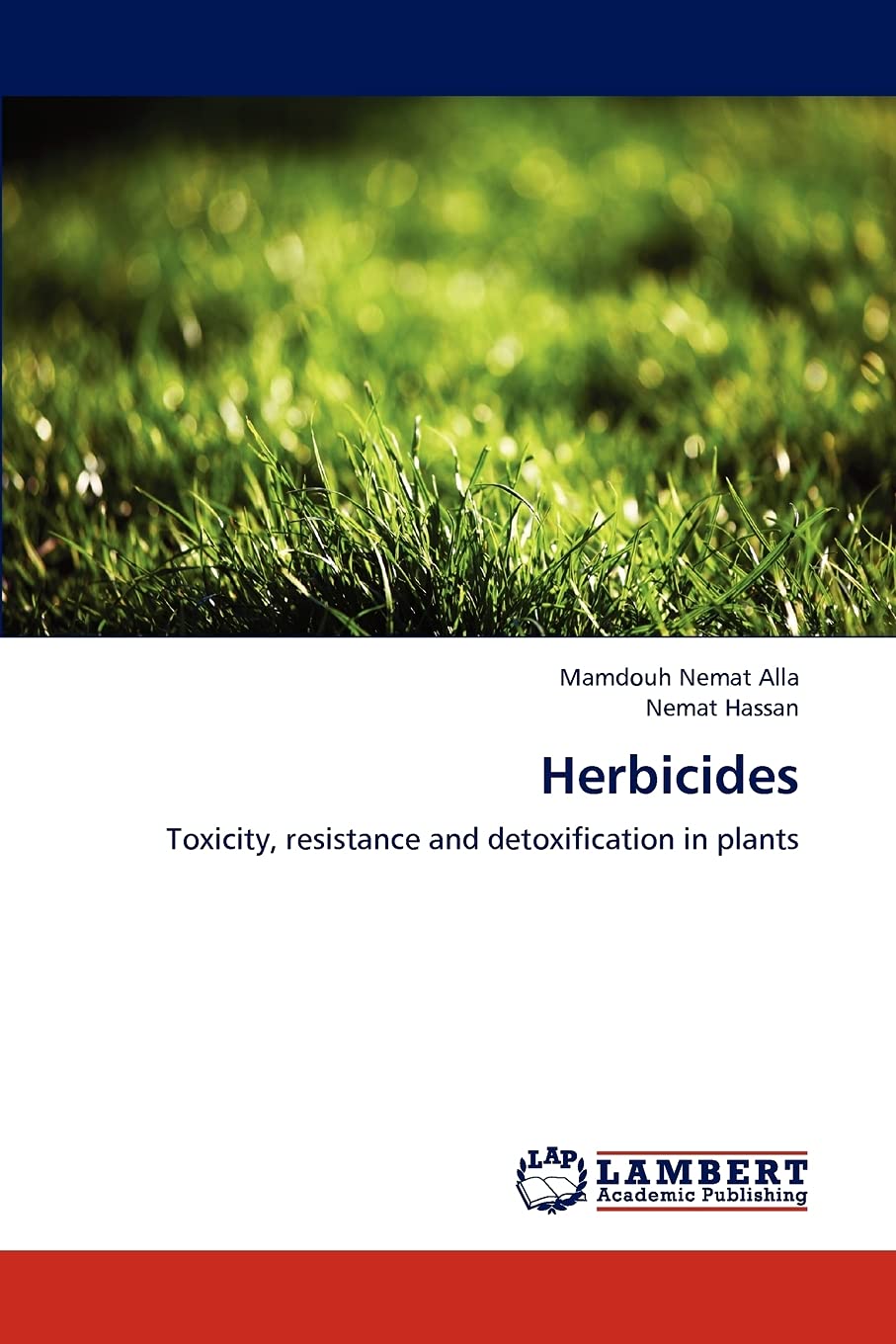
Herbicides control undesired grasses and weeds while leaving the crop relatively unharmed. They are classified according to their nature and application time and according to their chemical structure into several groups. Herbicide safeners protect crops from herbicide damage without protecting weeds. Microorganisms, which are pathogenic to some weed species with no pathogenity towards crop plants, can control weeds biologically as bioherbicides. Tolerance to herbicides means the survival of normal population of a species following treatment with a herbicide dosage lethal to other species. Resistance means the survival of a segment of the population following treatment with a herbicide dosage lethal to the normal population. The metabolism of herbicides may occur as oxidative reactions catalyzed by Cytochrome P450 monooxygenases (P450s) while the enzymatic conjugation with glutathione (GSH) catalyzed by the action of glutathione Stransferases (GSTs) is the major detoxification pathway in plants.
⚠️ WARNING (California Proposition 65):
This product may contain chemicals known to the State of California to cause cancer,
birth defects, or other reproductive harm.
For MAP (Minimum Advertised Price) violations and Intellectual Property (IP) or Trademark concerns, please contact:
support@ergodebooks.com
⚠️ California Proposition 65 Warning: Some products sold on this website may expose you to chemicals known to the State of California to cause cancer, birth defects, or other reproductive harm. For more information, visit www.P65Warnings.ca.gov.