If you have any questions, you are always welcome to contact us. We'll get back to you as soon as possible, withing 24 hours on weekdays.
Customer service
All questions about your order, return and delivery must be sent to our customer service team by e-mail at yourstore@yourdomain.com
Sale & Press
If you are interested in selling our products, need more information about our brand or wish to make a collaboration, please contact us at press@yourdomain.com
Help
If you have any questions, you are always welcome to contact us. We'll get back to you as soon as possible, withing 24 hours on weekdays.
Customer service
All questions about your order, return and delivery must be sent to our customer service team by e-mail at yourstore@yourdomain.com
Sale & Press
If you are interested in selling our products, need more information about our brand or wish to make a collaboration, please contact us at press@yourdomain.com
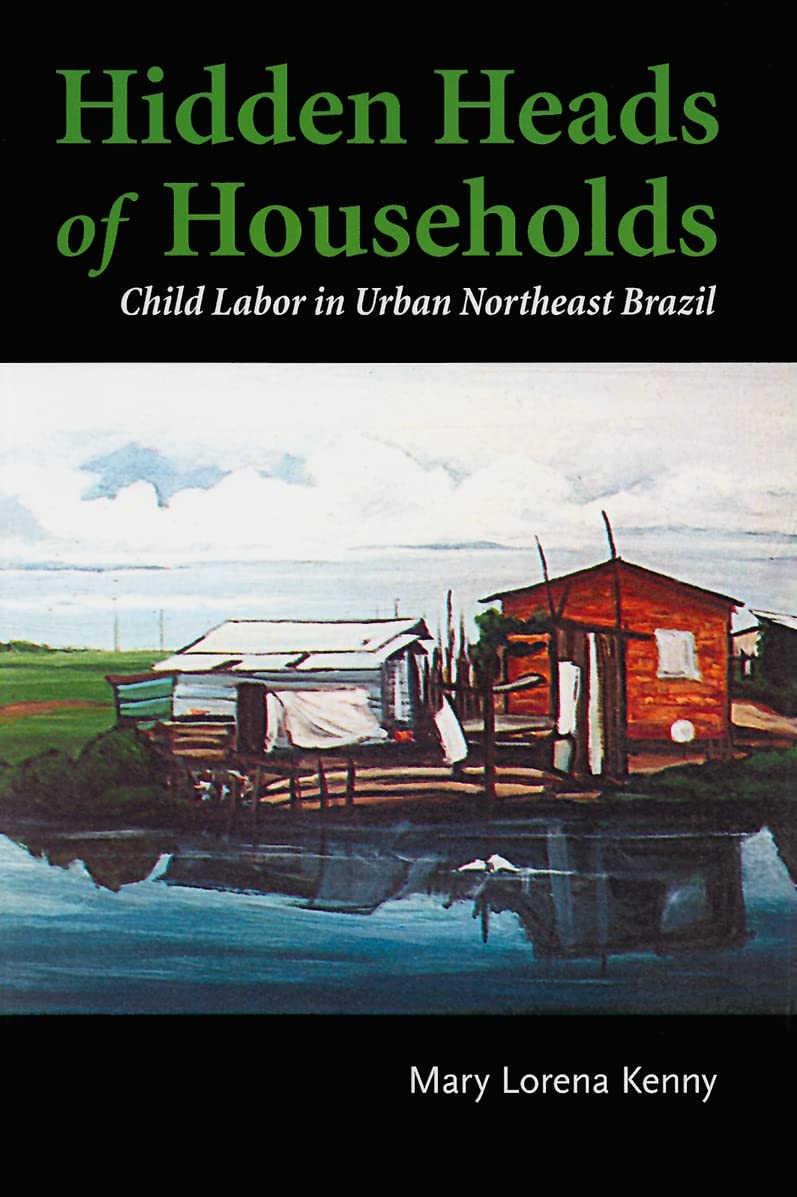
In the cities of Northeast Brazil where 50 per cent of the population lives in poverty, children play a key role in the local economyin their households, in formal jobs, and in the thriving informal sector (washing cars, shining shoes, scavenging for recyclables, etc.). Why children migrate to the city, how they negotiate their existence, and why they stay are just some of the questions addressed in this fascinating study.Mary Kenny spent close to 15 years in the urban areas of Northeast Brazil talking with and interviewing children. She even gave them disposable cameras to document their daily lives (many of the photographs they took are included). Rather than lament a lost childhood, or try to save these children, Kenny explores some of the complex conditions under which these children work and live. She illustrates how unrelenting scarcity shapes family and, by extension, children's options, decisions, and worldviews.The issues raised in this book are of critical importance. There are no easy answers, but listening to how these children define themselves and their circumstances is an important step towards understanding and ultimately solving economic and social inequality.
⚠️ WARNING (California Proposition 65):
This product may contain chemicals known to the State of California to cause cancer,
birth defects, or other reproductive harm.
For MAP (Minimum Advertised Price) violations and Intellectual Property (IP) or Trademark concerns, please contact:
support@ergodebooks.com
⚠️ California Proposition 65 Warning: Some products sold on this website may expose you to chemicals known to the State of California to cause cancer, birth defects, or other reproductive harm. For more information, visit www.P65Warnings.ca.gov.