
Title
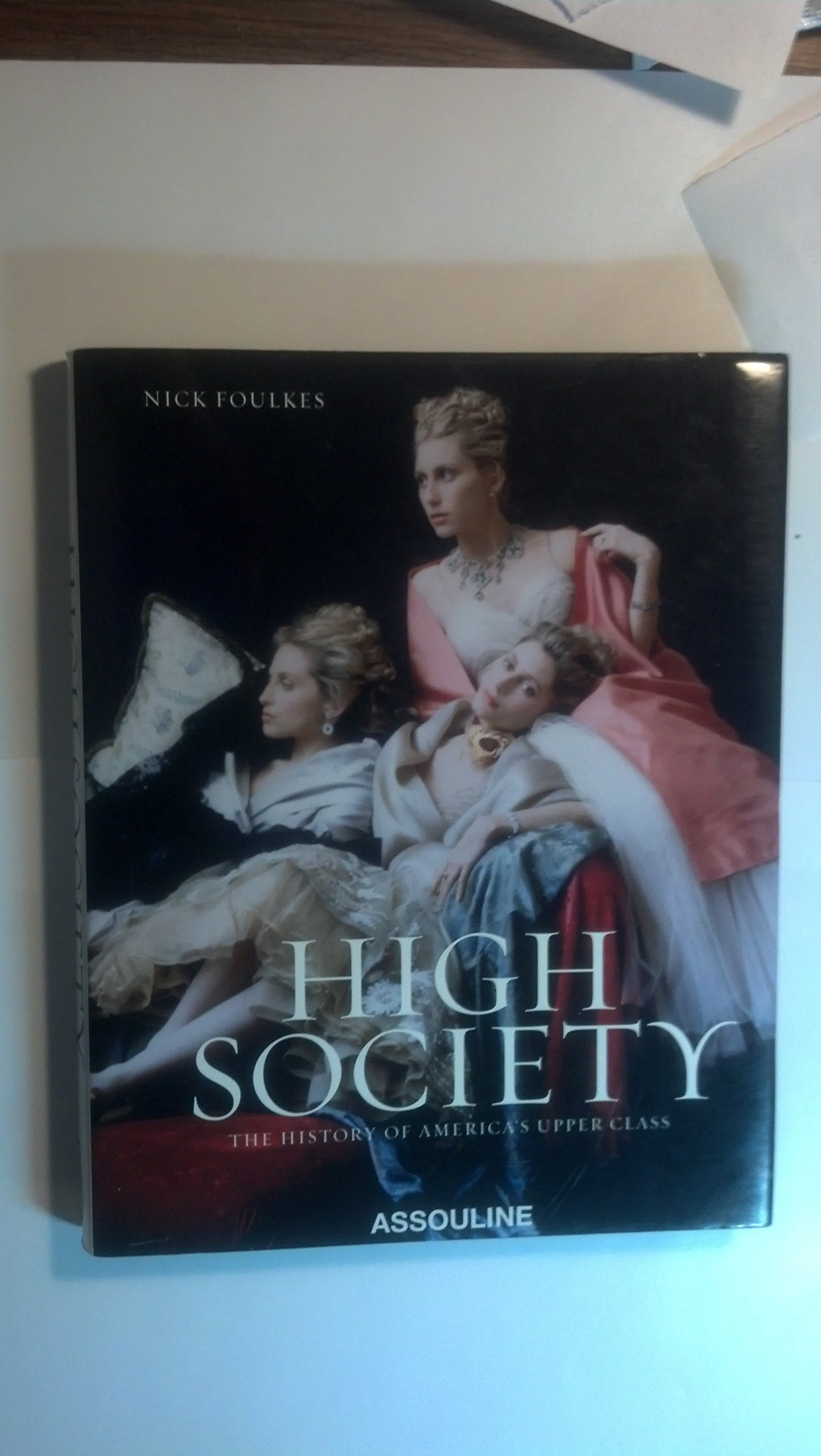
High Society: The History Of America'S Upper Class
Sold by Ergodebooks, an authorized reseller.
Returns accepted within 30 days | support@ergodebooks.com
Shipping Information
- Free Standard Shipping — United States only
- Processing Time: 3–5 business days
- Estimated Delivery: 6–10 business days after dispatch
- Double-boxed, fully insured & discreetly packaged
- Tracking number sent via email once dispatched
Returns & Refund
Returns accepted within 30 days of delivery.
Damaged or Defective Item
Free return shipping + replacement or full refund
Wrong Item Received
Free return shipping + replacement or full refund
Change of Mind
Return shipping at customer's expense · 25% restocking fee applies
Payment Option

With Insight And Nostalgia, High Society Explores The Intrigue Of New York S Upperclass Society And Culture. From Greenwich Village And The Sugar House To Stone Street, Author Nick Foulkes Unravels Manhattan S Past, Starting In The Early Seventeenth Century And Leading Up To The Prosperous Present. With Stories Of The Residents That Have Made And Make Up Manhattan S Lavish Citizenry The Vanderbilt, Frick, Morgan, And Astor Families And The Restaurants, Playhouses, Galleries, And Night Clubs Where They Socialized Le Grenouille, El Morocco, And Le Cirque The Narrative Weaves The Political, Social, And Literary Moments Of The Eras, Delivering A Spectacle Of Culture Beside A Poignant Selection Of Photography.
⚠️ WARNING (California Proposition 65):
This product may contain chemicals known to the State of California to cause cancer, birth defects, or other reproductive harm.
For more information, please visit www.P65Warnings.ca.gov.
- Q: How many pages does this book have? A: This book has one hundred sixty-three pages. It provides an in-depth exploration of America's upper-class society.
- Q: What type of binding does this book have? A: This book features a hardcover binding. This durable format is ideal for preserving the quality of the book.
- Q: What are the dimensions of this book? A: The dimensions of this book are nine point four five inches in length, zero point nine four inches in width, and twelve point one three inches in height. These dimensions make it a substantial yet manageable read.
- Q: Who is the author of this book? A: The author of this book is Nick Foulkes. He is known for his insightful narratives on culture and society.
- Q: What genre does this book belong to? A: This book falls under the Popular Culture genre. It offers a unique perspective on societal trends and historical events.
- Q: Is this book suitable for young readers? A: This book is primarily aimed at adult readers. It covers historical and cultural themes that may not be suitable for younger audiences.
- Q: Can this book be used for research purposes? A: Yes, this book can be used for research purposes. It offers detailed insights into New York's upper-class history, making it valuable for academic study.
- Q: What is the main theme of this book? A: The main theme of this book is the exploration of New York's upper-class society. It delves into the lives of notable families and cultural landmarks.
- Q: Is there photography included in this book? A: Yes, this book includes a selection of poignant photography. These images complement the narrative and enhance the understanding of the cultural context.
- Q: How should I care for this hardcover book? A: To care for this hardcover book, store it in a cool, dry place away from direct sunlight. This will help preserve its condition over time.
- Q: What if the book arrives damaged? A: If the book arrives damaged, you should contact the seller for a return or exchange. Most sellers offer return policies for damaged items.
- Q: Can this book be a good gift? A: Yes, this book makes a great gift for history and culture enthusiasts. Its rich content and beautiful presentation appeal to a wide audience.
- Q: Is there any specific care for the book's pages? A: To care for the book's pages, avoid bending or folding them. Keeping the book on a shelf upright will help maintain its structure.
- Q: How does this book compare to other cultural history books? A: This book offers a unique focus on New York's upper-class society, distinguishing it from other cultural history books that may cover broader topics.
- Q: What is the return policy for this book? A: The return policy for this book varies by seller, but most allow returns within a specified period. Please check with the seller for specific details.
- Q: Are there any notable families mentioned in this book? A: Yes, notable families such as the Vanderbilt, Frick, Morgan, and Astor families are discussed in this book. Their influence on Manhattan's society is highlighted.