
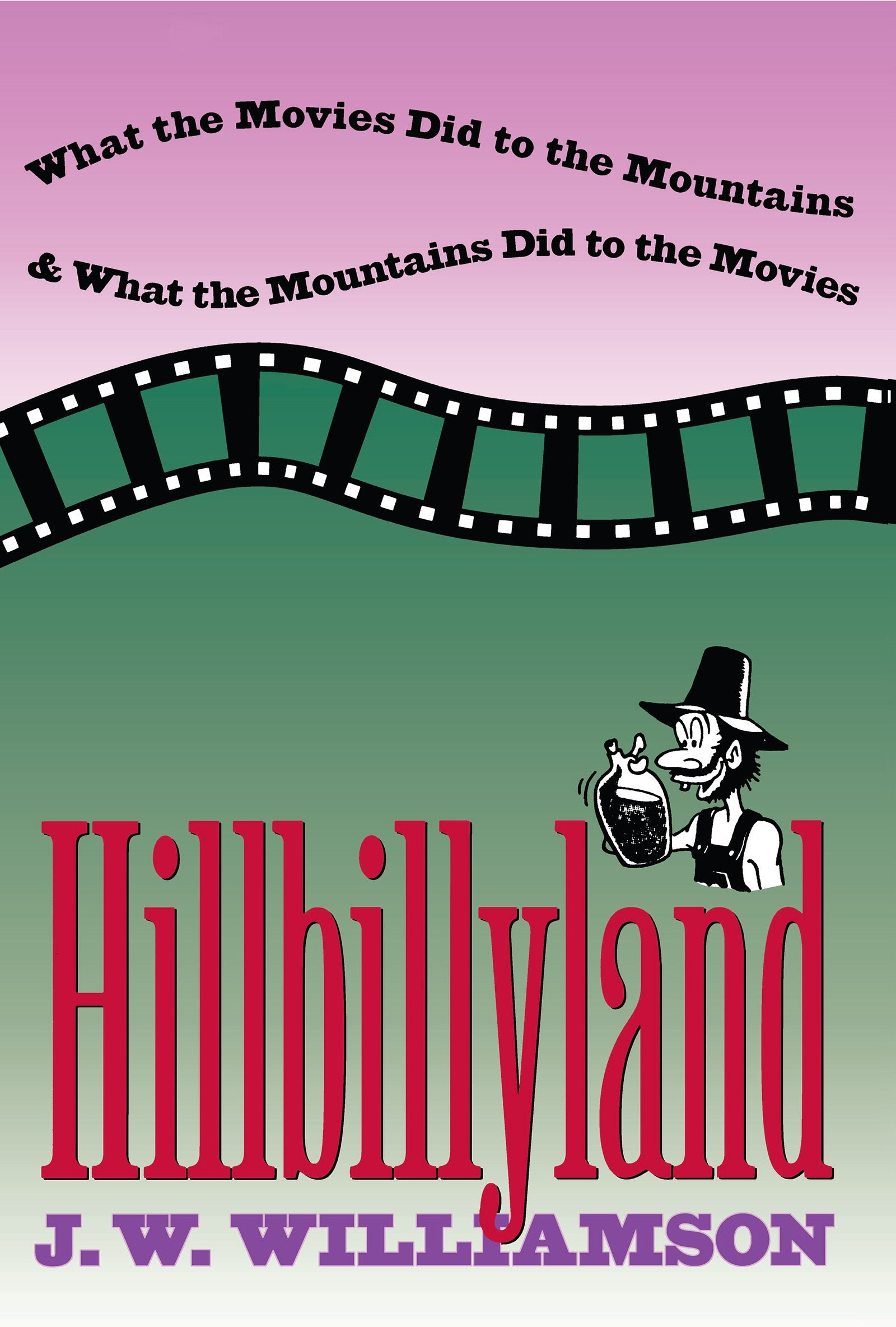
Title
Hillbillyland: What the Movies Did to the Mountains and What the Mountains Did to the Movies,Used
Sold by Ergodebooks, an authorized reseller.
Returns accepted within 30 days | support@ergodebooks.com
Shipping Information
- Free Standard Shipping — United States only
- Processing Time: 3–5 business days
- Estimated Delivery: 6–10 business days after dispatch
- Double-boxed, fully insured & discreetly packaged
- Tracking number sent via email once dispatched
Returns & Refund
Returns accepted within 30 days of delivery.
Damaged or Defective Item
Free return shipping + replacement or full refund
Wrong Item Received
Free return shipping + replacement or full refund
Change of Mind
Return shipping at customer's expense · 25% restocking fee applies
Payment Option

Product DescriptionThe stereotypical hillbilly figure in popular culture provokes a range of responses, from bemused affection for Ma and Pa Kettle to outright fear of the mountain men in Deliverance. In Hillbillyland, J. W. Williamson investigates why hillbilly images are so pervasive in our culture and what purposes they serve. He has mined more than 800 movies, from early nickelodeon onereelers to contemporary films such as Thelma and Louise and Raising Arizona, for representations of hillbillies in their recurring roles as symbolic 'cultural others.' Williamson's hillbillies live not only in the hills of the South but anywhere on the rough edge of society. And they are not just men; women can be hillbillies, too. According to Williamson, mainstream America responds to hillbillies because they embody our fears and hopes and a romantic vision of the past. They are clowns, children, free spirits, or wild people through whom we live vicariously while being reassured about our own standing in society.ReviewWilliamson reminds us that the themes in the hillbilly movies are versions of universals; and because the movies mirror, create, and are culture, the symbols and myths they employ are not just the stuff of literature or literary criticism but the stuff of life. As Pogo used to say, 'We have met the subtext, and she is us.'Henry D. Shapiro, author of Appalachia on Our Mind: The Southern Mountains and Mountaineers in the American ConsciousnessAbout the AuthorJ. W. Williamson is professor of English at Appalachian State University in Boone, North Carolina, and editor of Appalachian Journal. He is author of Southern Mountaineers in Silent Films and coeditor of Interviewing Appalachia.
⚠️ WARNING (California Proposition 65):
This product may contain chemicals known to the State of California to cause cancer, birth defects, or other reproductive harm.
For more information, please visit www.P65Warnings.ca.gov.