
Title


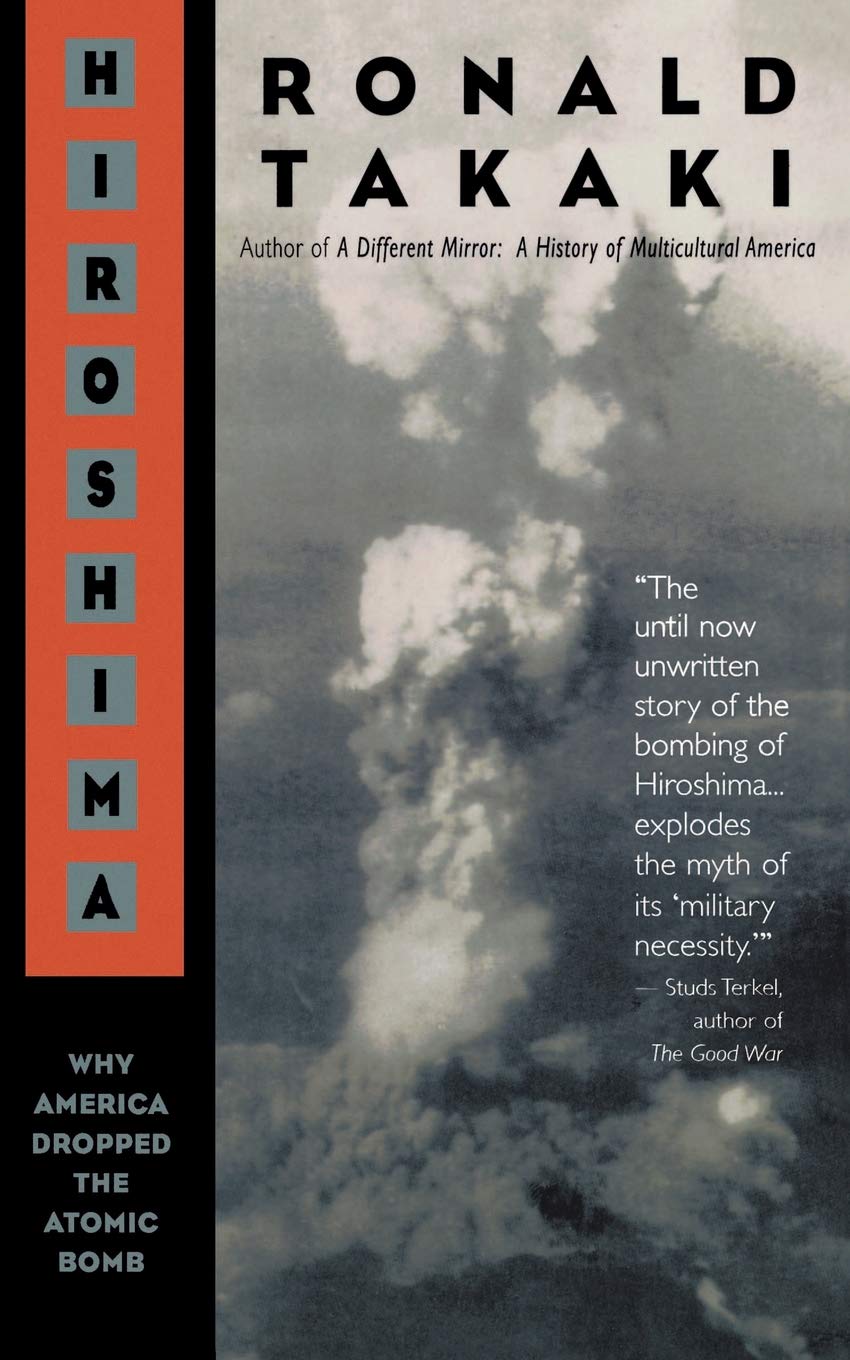
Hiroshima: Why America Dropped The Atomic Bomb
Sold by Ergodebooks, an authorized reseller.
Returns accepted within 30 days | support@ergodebooks.com
Shipping Information
- Free Standard Shipping — United States only
- Processing Time: 3–5 business days
- Estimated Delivery: 6–10 business days after dispatch
- Double-boxed, fully insured & discreetly packaged
- Tracking number sent via email once dispatched
Returns & Refund
Returns accepted within 30 days of delivery.
Damaged or Defective Item
Free return shipping + replacement or full refund
Wrong Item Received
Free return shipping + replacement or full refund
Change of Mind
Return shipping at customer's expense · 25% restocking fee applies
Payment Option

The Bombing Of Hiroshima Was One Of The Pivotal Events Of The Twentieth Century, Yet This Controversial Question Remains Unresolved. At The Time, General Dwight Eisenhower, General Douglas Macarthur, And Chief Of Staff Admiral William Leahy All Agreed That An Atomic Attack On Japanese Cities Was Unnecessary. All Of Them Believed That Japan Had Already Been Beaten And That The War Would Soon End. Was The Bomb Dropped To End The War More Quickly? Or Did It Herald The Start Of The Cold War? In His Probing New Study, Prizewinning Historian Ronald Takaki Explores These Factors And More. He Considers The Cultural Context Of Race The Ways In Which Stereotypes Of The Japanese Influenced Public Opinion And Policymakers And Also Probes The Human Dimension. Relying On Top Secret Military Reports, Diaries, And Personal Letters, Takaki Relates International Policies To The Individuals Involved: Los Alamos Director J. Robert Oppenheimer, Secretary Of State James Byrnes, Secretary Of War Henry L. Stimson, And Others... But Above All, Harry Truman.
⚠️ WARNING (California Proposition 65):
This product may contain chemicals known to the State of California to cause cancer, birth defects, or other reproductive harm.
For more information, please visit www.P65Warnings.ca.gov.
- Q: What is the title of the book? A: The title of the book is 'Hiroshima: Why America Dropped the Atomic Bomb'.
- Q: Who is the author of this book? A: The author is Ronald Takaki, a prizewinning historian.
- Q: How many pages does the book have? A: The book contains two hundred eight pages.
- Q: What is the binding type of the book? A: The binding type is paperback.
- Q: What are the dimensions of the book? A: The book measures five inches in length, zero point five one inches in width, and seven point nine nine inches in height.
- Q: What is the main theme of the book? A: The main theme explores the controversial decision to drop the atomic bomb on Hiroshima and its implications.
- Q: How do I use this book for research? A: You can use this book as a resource for understanding the historical context of World War II and the atomic bomb.
- Q: Is this book suitable for students? A: Yes, this book is suitable for students studying history or World War II.
- Q: What is the reading level of this book? A: The reading level is appropriate for high school students and above.
- Q: How should I store this book? A: Store this book in a cool, dry place away from direct sunlight to preserve its condition.
- Q: Can I clean the book if it gets dirty? A: Yes, gently wipe the cover with a soft, dry cloth to remove any dirt.
- Q: Is this book safe for young readers? A: The book contains mature themes related to war, so parental guidance is recommended for younger readers.
- Q: What if the book arrives damaged? A: If the book arrives damaged, you should contact the seller for a return or exchange.
- Q: Are there any other books by Ronald Takaki? A: Yes, Ronald Takaki has written several other books on American history and race relations.
- Q: How does this book compare to other World War II books? A: This book offers a unique perspective on the atomic bomb, focusing on personal stories and cultural context.