
Title
History at the Limit of WorldHistory (Italian Academy Lectures),New
Sold by Ergodebooks, an authorized reseller.
Returns accepted within 30 days | support@ergodebooks.com
Shipping Information
- Free Standard Shipping — United States only
- Processing Time: 3–5 business days
- Estimated Delivery: 6–10 business days after dispatch
- Double-boxed, fully insured & discreetly packaged
- Tracking number sent via email once dispatched
Returns & Refund
Returns accepted within 30 days of delivery.
Damaged or Defective Item
Free return shipping + replacement or full refund
Wrong Item Received
Free return shipping + replacement or full refund
Change of Mind
Return shipping at customer's expense · 25% restocking fee applies
Payment Option

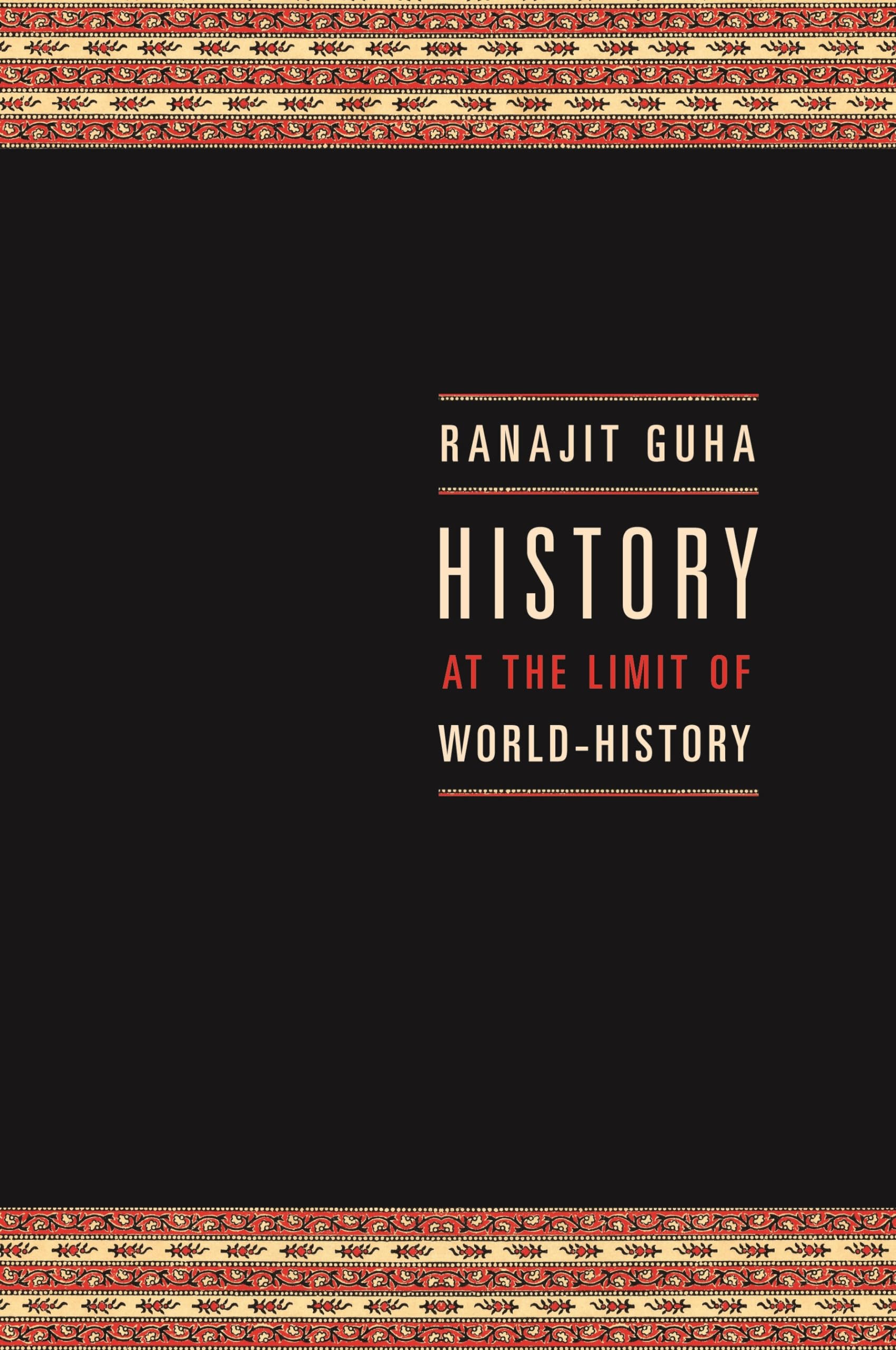
The past is not just, as has been famously said, another country with foreign customs: it is a contested and colonized terrain. Indigenous histories have been expropriated, eclipsed, sometimes even wholly eradicated, in the service of imperialist aims buttressed by a distinctly Western philosophy of history. Ranajit Guha, perhaps the most influential figure in postcolonial and subaltern studies at work today, offers a critique of such historiography by taking issue with the Hegelian concept of Worldhistory. That concept, he contends, reduces the course of human history to the amoral record of states and empires, great men and clashing civilizations. It renders invisible the quotidian experience of ordinary people and casts off all that came before it into the netherexistence known as 'Prehistory.'On the Indian subcontinent, Guha believes, this Western way of looking at the past was so successfully insinuated by British colonization that few today can see clearly its ongoing and pernicious influence. He argues that to break out of this habit of mind and go beyond the Eurocentric and statist limit of Worldhistory historians should learn from literature to make their narratives doubly inclusive: to extend them in scope not only to make room for the pasts of the socalled peoples without history but to address the historicality of everyday life as well. Only then, as Guha demonstrates through an examination of Rabindranath Tagore's critique of historiography, can we recapture a more fully human past of 'experience and wonder.'
⚠️ WARNING (California Proposition 65):
This product may contain chemicals known to the State of California to cause cancer, birth defects, or other reproductive harm.
For more information, please visit www.P65Warnings.ca.gov.