If you have any questions, you are always welcome to contact us. We'll get back to you as soon as possible, withing 24 hours on weekdays.
Customer service
All questions about your order, return and delivery must be sent to our customer service team by e-mail at yourstore@yourdomain.com
Sale & Press
If you are interested in selling our products, need more information about our brand or wish to make a collaboration, please contact us at press@yourdomain.com
Help
If you have any questions, you are always welcome to contact us. We'll get back to you as soon as possible, withing 24 hours on weekdays.
Customer service
All questions about your order, return and delivery must be sent to our customer service team by e-mail at yourstore@yourdomain.com
Sale & Press
If you are interested in selling our products, need more information about our brand or wish to make a collaboration, please contact us at press@yourdomain.com
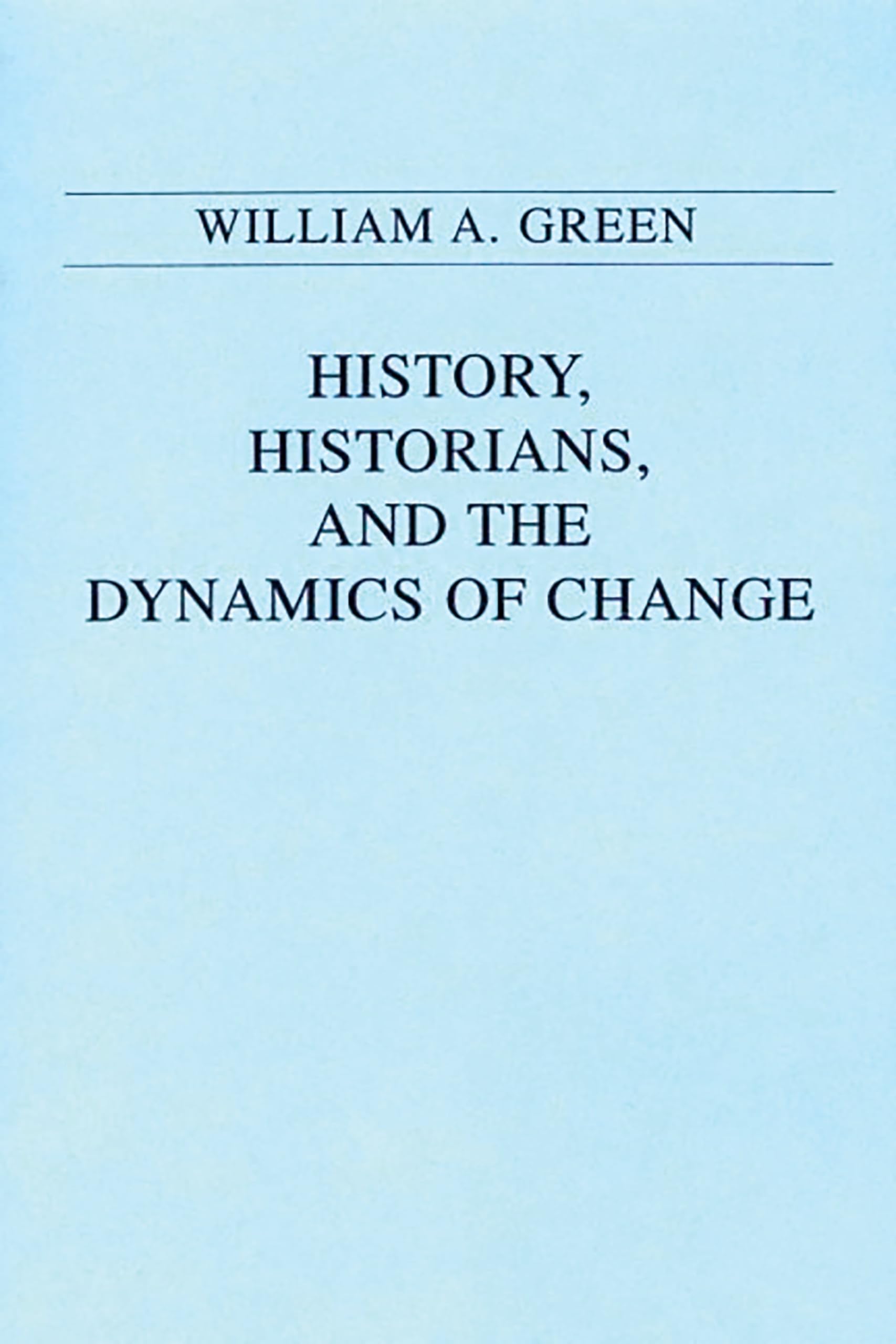
Green offers a remarkably lucid, erudite, and insightful description and analysis of the theoretical foundations of modern historical writing. He is the first to provide an orderly introduction to the several systematic models by which leading modern historians have attempted to explain continuity and change. This cogent survey is essential to an understanding of modern Western historiography.The book introduces history as a theoretical discipline. Green examines the many pitfalls of historical writing and demonstrates that historical truth is a most elusive quarry. He addresses periodization, the manner in which past time is divided, showing how prevailing modes of periodization have evolved in the West. Part two of the book is concerned with the dynamics of change in European history. Each chapter considers a specific theoretical orientation, including: the commercial model initiated by Adam Smith and pursued by Henri Pirenne and others, the demographic model first formulated by Malthus, the Marxian model (or models), and the approaches of Weber and Sombart who identified religious forces as the chief engines of historical change. Part three addresses models of change being employed in world history, particularly the worldsystem approach of Frank and Wallerstein and the creative orientations of environmental historians. In his conclusion, Green returns to the question of whether the theoretical models of change currently in use among historians are consistent with contemporary modes of periodization. The bibliography is extensive.
⚠️ WARNING (California Proposition 65):
This product may contain chemicals known to the State of California to cause cancer,
birth defects, or other reproductive harm.
For MAP (Minimum Advertised Price) violations and Intellectual Property (IP) or Trademark concerns, please contact:
support@ergodebooks.com
⚠️ California Proposition 65 Warning: Some products sold on this website may expose you to chemicals known to the State of California to cause cancer, birth defects, or other reproductive harm. For more information, visit www.P65Warnings.ca.gov.