
Title
History In Urban Places: The Historic Districts Of The United Sta (Urban Life & Urban Landscape),Used
Sold by Ergodebooks, an authorized reseller.
Returns accepted within 30 days | support@ergodebooks.com
Shipping Information
- Free Standard Shipping — United States only
- Processing Time: 3–5 business days
- Estimated Delivery: 6–10 business days after dispatch
- Double-boxed, fully insured & discreetly packaged
- Tracking number sent via email once dispatched
Returns & Refund
Returns accepted within 30 days of delivery.
Damaged or Defective Item
Free return shipping + replacement or full refund
Wrong Item Received
Free return shipping + replacement or full refund
Change of Mind
Return shipping at customer's expense · 25% restocking fee applies
Payment Option

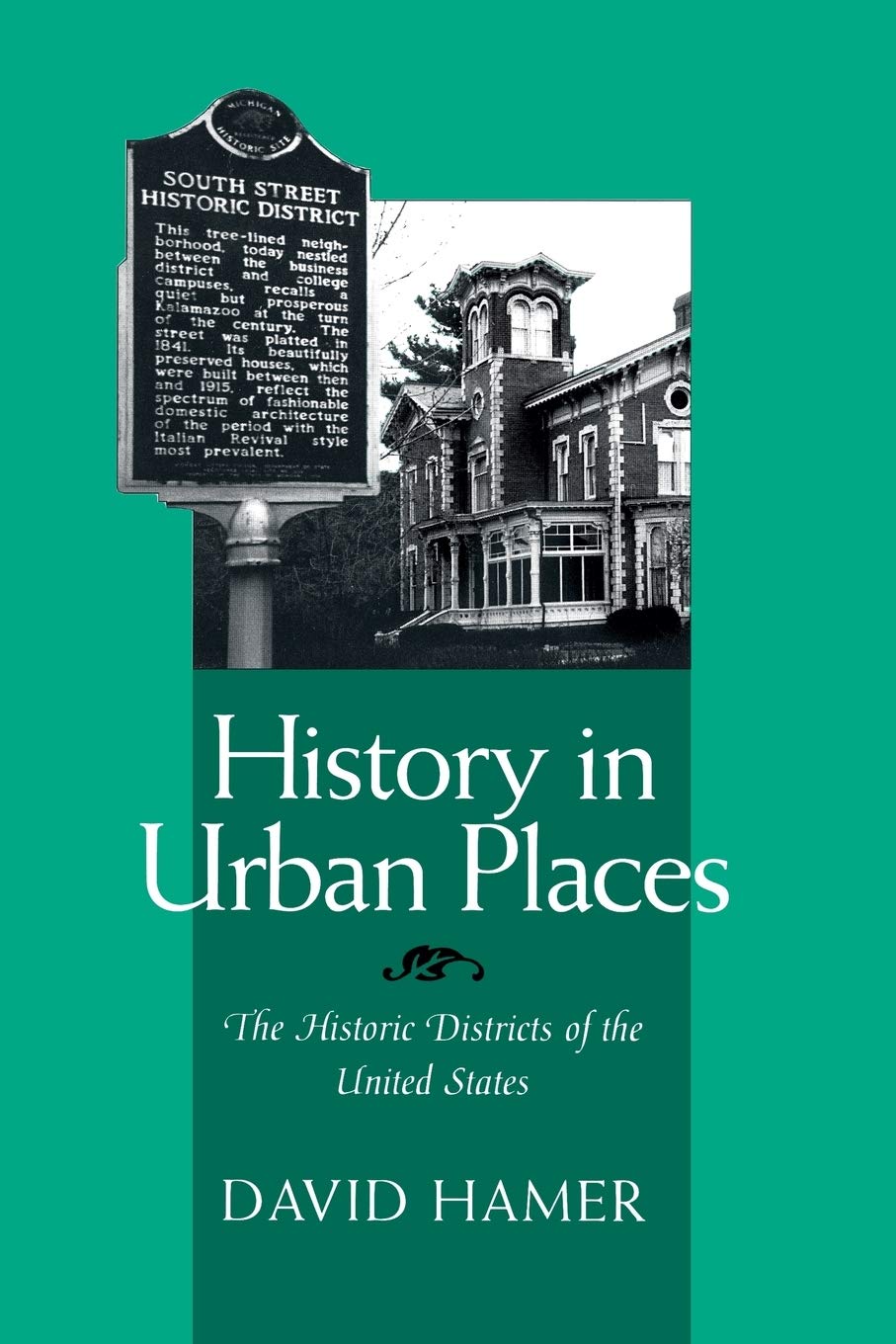
This is the first book devoted to an examination of the significance of historical districts from a historian's point of view.' Urban Studies Historic Districts in the United States now number over 8,000; the phenomenon of the Historic District has been of special interest to those concerned with historic preservation and town planning, but there has been no analysis of such districts' significance from a historian's point of view. History in Urban Places explores the connections between American urban history and historic preservation. A frequent criticism of historic districts is that they convey sanitized versions of the past and that their creation is prompted more by the needs of presentday real estate values, the impulse to gentrify, or the urgent need to rehabilitate innercity areas than by a desire to preserve the past. David Hamer claims that historic districts are best understood as part of the growth and development of urban communitiesexamples of applied urban history that should be studied as such. Hamer argues that four stages of history are represented by historic districts. The first is the history that the district actually embodies; the second is the story of what happened to the district from the time historically significant events occurred until the present, when those events are judged to be significant; the third is the process leading to the district's classification as historic; and the fourth is the history of the district once the designation is official. David Hamer is a professor of history at Victoria University of Wellington, New Zealand. He is the awardwinning author of New Towns in the New World.
⚠️ WARNING (California Proposition 65):
This product may contain chemicals known to the State of California to cause cancer, birth defects, or other reproductive harm.
For more information, please visit www.P65Warnings.ca.gov.