If you have any questions, you are always welcome to contact us. We'll get back to you as soon as possible, withing 24 hours on weekdays.
Customer service
All questions about your order, return and delivery must be sent to our customer service team by e-mail at yourstore@yourdomain.com
Sale & Press
If you are interested in selling our products, need more information about our brand or wish to make a collaboration, please contact us at press@yourdomain.com
Help
If you have any questions, you are always welcome to contact us. We'll get back to you as soon as possible, withing 24 hours on weekdays.
Customer service
All questions about your order, return and delivery must be sent to our customer service team by e-mail at yourstore@yourdomain.com
Sale & Press
If you are interested in selling our products, need more information about our brand or wish to make a collaboration, please contact us at press@yourdomain.com
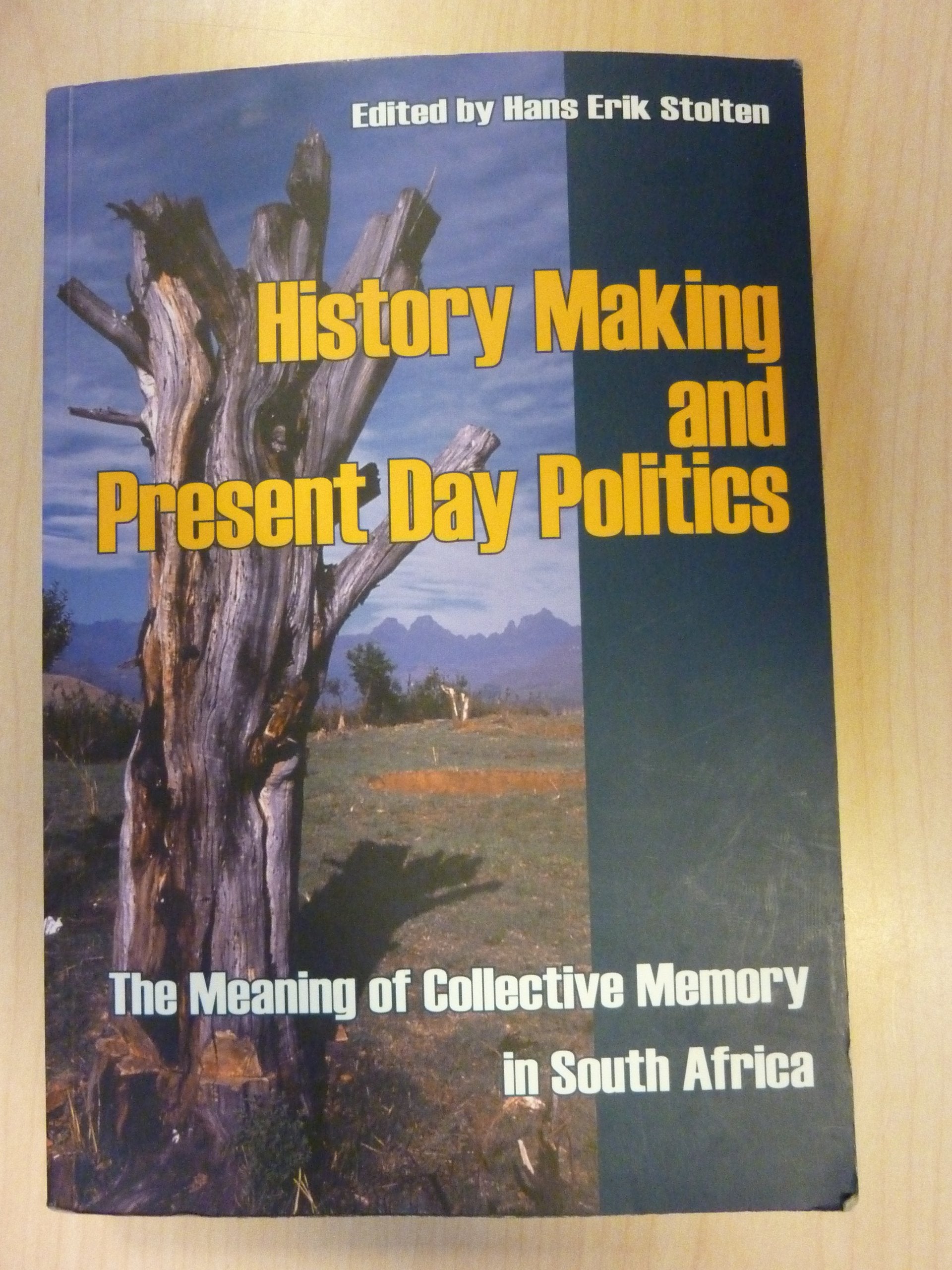
In this collection, some of South Africas most distinguished historians and social scientists present their views on the importance of history and heritage for the transformation of the South African society.Although popular use of history helped remove apartheid, the study of history lost status during the transition process. Some of the reasons for this, like the nature of the negotiated revolution, social demobilization, and individualization, are analyzed in this book.The combination of scholarly work with an active role in changing society has been a central concern in South African history writing. This book warns against the danger of history being caught between reconciliation, commercialization, and political correctness.Some of the articles critically examine the role of historians in ideological debates on gender, African agency, Afrikaner anticommunism, early South African socialism, and the role of the business world during late apartheid. Other contributions explore continuing controversies on the politics of public history in postapartheid South Africa, describe the implementation of new policies for history education, or investigate the use of applied history in the land restitution process and in the TRC. The authors also examine a range of new government and private initiatives in the practical use of history, including the establishment of new historical entertainment parks and the conversion of museums and heritage sites.For readers interested in nation building processes and identity politics, this book provides valuable insight.
⚠️ WARNING (California Proposition 65):
This product may contain chemicals known to the State of California to cause cancer,
birth defects, or other reproductive harm.
For MAP (Minimum Advertised Price) violations and Intellectual Property (IP) or Trademark concerns, please contact:
support@ergodebooks.com
⚠️ California Proposition 65 Warning: Some products sold on this website may expose you to chemicals known to the State of California to cause cancer, birth defects, or other reproductive harm. For more information, visit www.P65Warnings.ca.gov.